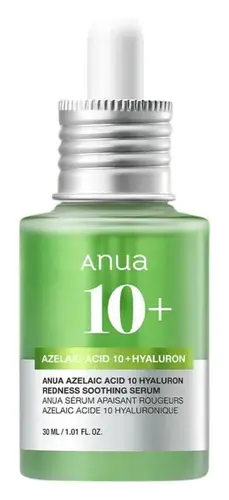
Biopelle Emepelle Serum Versus Authentic Ego Tidy Pores Water Jelly Lipid Peroxidation Serum With Stabilized Vitamin C
This anti-aging serum is formulated around Niacinamide and 3-O-Ethyl Ascorbic Acid to soften the look of wrinkles and brighten dull-looking skin.
This pore-care serum is formulated around Aminopropyl Ascorbyl Phosphate and Camellia Sinensis Leaf Extract to refine the look of pores and refine skin texture.

What's inside
What's inside
 Key Ingredients
Benefits
Ingredients Side-by-side
Water
Skin ConditioningDimethyl Isosorbide
SolventNiacinamide
Smoothing











Butylene Glycol
Humectant
3-O-Ethyl Ascorbic Acid
Skin Conditioning
Glycereth-26
Humectant
Hydroxyethyl Acrylate/Sodium Acryloyldimethyl Taurate Copolymer
Emulsion StabilisingMethyl Estradiolpropanoate
EmollientSuperoxide Dismutase
Antioxidant
Glyceryl Caprate
EmollientFerulic Acid
Antimicrobial
Glutathione
Pentapeptide-28
Skin Conditioning
Tetrapeptide-26
Skin Conditioning
Camellia Sinensis Leaf Extract
Antimicrobial
Sodium Hyaluronate
Humectant
Dipeptide-4
Skin Conditioning
Glycerin
Humectant
1,2-Hexanediol
Skin Conditioning
Caprylyl Glycol
Emollient
Tocopheryl Acetate
Antioxidant
Phenoxyethanol
Preservative
Potassium Sorbate
Preservative
Sodium Benzoate
Masking
Disodium EDTA
ChelatingWater, Dimethyl Isosorbide, Niacinamide, Butylene Glycol, 3-O-Ethyl Ascorbic Acid, Glycereth-26, Hydroxyethyl Acrylate/Sodium Acryloyldimethyl Taurate Copolymer, Methyl Estradiolpropanoate, Superoxide Dismutase, Glyceryl Caprate, Ferulic Acid, Glutathione, Pentapeptide-28, Tetrapeptide-26, Camellia Sinensis Leaf Extract, Sodium Hyaluronate, Dipeptide-4, Glycerin, 1,2-Hexanediol, Caprylyl Glycol, Tocopheryl Acetate, Phenoxyethanol, Potassium Sorbate, Sodium Benzoate, Disodium EDTA
Water
Skin ConditioningAcetamidoethoxyethanol
Humectant
Propanediol
Solvent
Betaine
Humectant
Glyceryl Glucoside
Humectant
Caprylhydroxamic Acid
Chelating1,2-Hexanediol
Skin Conditioning
Portulaca Oleracea Extract
Skin Conditioning
Lactobacillus Ferment
Skin Conditioning
Hydroxyethylcellulose
Emulsion StabilisingPhloretin
Antioxidant
Silybum Marianum Extract
Skin Conditioning
Glycyrrhetinic Acid
Skin Conditioning
Camellia Sinensis Leaf Extract
Antimicrobial
Tetrahydrodiferuloylmethane
Antioxidant
Panthenol
Skin Conditioning
Aminopropyl Ascorbyl Phosphate
Antioxidant
Tremella Fuciformis Sporocarp Extract
Antioxidant
Acetyl Heptapeptide-4
Humectant
Lactic Acid
Buffering



Caprylyl Glycol
Emollient
Tocopherol
Antioxidant
Tetrasodium Glutamate Diacetate
ChelatingDimethylmethoxy Chromanol
Antioxidant
Water, Acetamidoethoxyethanol, Propanediol, Betaine, Glyceryl Glucoside, Caprylhydroxamic Acid, 1,2-Hexanediol, Portulaca Oleracea Extract, Lactobacillus Ferment, Hydroxyethylcellulose, Phloretin, Silybum Marianum Extract, Glycyrrhetinic Acid, Camellia Sinensis Leaf Extract, Tetrahydrodiferuloylmethane, Panthenol, Aminopropyl Ascorbyl Phosphate, Tremella Fuciformis Sporocarp Extract, Acetyl Heptapeptide-4, Lactic Acid, Caprylyl Glycol, Tocopherol, Tetrasodium Glutamate Diacetate, Dimethylmethoxy Chromanol
Reviews
Ingredients Explained
These ingredients are found in both products.
Ingredients higher up in an ingredient list are typically present in a larger amount.
1,2-Hexanediol is a synthetic liquid and another multi-functional powerhouse.
It is a:
- Humectant, drawing moisture into the skin
- Emollient, helping to soften skin
- Solvent, dispersing and stabilizing formulas
- Preservative booster, enhancing the antimicrobial activity of other preservatives
Camellia Sinensis Leaf Extract (tea extract) is one of the most well-researched plant extracts in skincare with an impressive resume.
Black tea, green tea, and oolong tea are all harvested from the Camellia Sinensis plant.
Studies show green tea extract and its catechins (like epigallocatechin gallate (EGCG)) help your skin cells product energy more efficiently and reducing the number of free-radicals that can damage your skin from the inside.
In lab-grown skin models, this translated to younger, healthier, and stronger skin.
There's also good sun protection data; researchers saw less DNA damage and redness on human skin when green tea was applied before UVB exposure. And the more they applied, the better the protection.
Needless to say, this ingredient shouldn't replace your sunscreen. But it is a great supportive ingredient that you can already find in many sunscreens and antioxidant serums.
A 2009 study found a 2% green tea lotion was effective for mild-to-moderate acne thanks to its anti-inflammatory and mild antimicrobial activity.
The quality of the extract matters a lot here:
Good extracts contain 50-90% catechins while lower quality ones are mostly there for marketing. We recommend reaching out to the brand if you have questions about the quality or source of their ingredients.
Human Repeated Insult Patch Testing showed no irritation or sensitization at use concentrations (0.86% in leave-on products and up to 30% as leaf water).
Learn more about Camellia Sinensis Leaf ExtractCaprylyl Glycol is a humectant, skin conditioner, emollient, and preservative booster derived from either caprylic acid or synthetically created.
Typical use levels vary from 0.3-1% as a preservative booster and go up to 2% to condition skin.
Because it is not a free-fatty acid, this ingredient is fungal acne safe (there's nothing for Malassezia to feed on).
Learn more about Caprylyl GlycolWater. It's the most common cosmetic ingredient of all. You'll usually see it at the top of ingredient lists, meaning that it makes up the largest part of the product.
So why is it so popular? Water most often acts as a solvent - this means that it helps dissolve other ingredients into the formulation.
You'll also recognize water as that liquid we all need to stay alive. If you see this, drink a glass of water. Remember to stay hydrated!
Learn more about Water