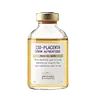
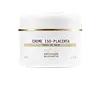
Biologique Recherche ISO-Placenta Regenerating Serum for Face Versus Biologique Recherche Crème Iso-Placenta Regenerating Face Cream
This smoothing moisturizer is formulated around Niacinamide and Centella Asiatica Extract to refine skin texture and fade the look of dark spots.

What's inside
What's inside
 Key Ingredients
Benefits
Concerns
No concerns
Ingredients Side-by-side
Water
Skin ConditioningPropanediol
Solvent

Methylpropanediol
SolventButylene Glycol
Humectant
Ceratonia Siliqua Seed Extract
Skin ConditioningCamellia Sinensis Leaf Extract
Antimicrobial






Cryptomeria Japonica Bud Extract
Skin ConditioningBacillus/Soybean Ferment Extract
Skin ConditioningHexapeptide-11
Skin Conditioning
Oligopeptide-1
Skin Conditioning

Oligopeptide-2
Skin Conditioning
Oligopeptide-3
Skin Conditioning
Acetyl Glutamine
Skin ConditioningFolic Acid
Skin ConditioningSodium Hyaluronate
Humectant
Citric Acid
Buffering

Lecithin
Emollient
1,2-Hexanediol
Skin Conditioning
Triethanolamine
BufferingCaprylyl Glycol
Emollient
Sodium Benzoate
Masking
Water, Propanediol, Methylpropanediol, Butylene Glycol, Ceratonia Siliqua Seed Extract, Camellia Sinensis Leaf Extract, Cryptomeria Japonica Bud Extract, Bacillus/Soybean Ferment Extract, Hexapeptide-11, Oligopeptide-1, Oligopeptide-2, Oligopeptide-3, Acetyl Glutamine, Folic Acid, Sodium Hyaluronate, Citric Acid, Lecithin, 1,2-Hexanediol, Triethanolamine, Caprylyl Glycol, Sodium Benzoate
Water
Skin ConditioningPropylene Glycol
Humectant
Dicaprylyl Carbonate
EmollientGlycerin
Humectant
Sucrose Polystearate
EmollientC10-18 Triglycerides
Emollient
Cetyl Alcohol
Emollient
1,2-Hexanediol
Skin Conditioning
Niacinamide
Smoothing

Passiflora Edulis Seed Oil
Emollient
Polyamide-5
Skin ConditioningBetula Alba Bark Extract
Masking
Equisetum Arvense Extract
AstringentHedera Helix Leaf/Stem Extract
AntimicrobialFucus Vesiculosus Extract
Emollient
Centella Asiatica Extract
Cleansing
Glycine Soja Oil
Emollient

Yeast Extract
Skin ConditioningBacillus/Soybean Ferment Extract
Skin ConditioningHexapeptide-11
Skin Conditioning
Oligopeptide-1
Skin Conditioning
Oligopeptide-2
Skin Conditioning
Oligopeptide-3
Skin Conditioning
Ascorbyl Glucoside
Antioxidant
Acetyl Glutamine
Skin ConditioningFolic Acid
Skin ConditioningSodium Hyaluronate
Humectant
Lecithin
Emollient
Tocopherol
Antioxidant
Sodium Stearoyl Glutamate
CleansingButylene Glycol
Humectant
Hydrogenated Polyisobutene
EmollientPolyacrylate Crosspolymer-6
Emulsion StabilisingT-Butyl Alcohol
Perfuming


Caprylyl Glycol
Emollient
Water, Propylene Glycol, Dicaprylyl Carbonate, Glycerin, Sucrose Polystearate, C10-18 Triglycerides, Cetyl Alcohol, 1,2-Hexanediol, Niacinamide, Passiflora Edulis Seed Oil, Polyamide-5, Betula Alba Bark Extract, Equisetum Arvense Extract, Hedera Helix Leaf/Stem Extract, Fucus Vesiculosus Extract, Centella Asiatica Extract, Glycine Soja Oil, Yeast Extract, Bacillus/Soybean Ferment Extract, Hexapeptide-11, Oligopeptide-1, Oligopeptide-2, Oligopeptide-3, Ascorbyl Glucoside, Acetyl Glutamine, Folic Acid, Sodium Hyaluronate, Lecithin, Tocopherol, Sodium Stearoyl Glutamate, Butylene Glycol, Hydrogenated Polyisobutene, Polyacrylate Crosspolymer-6, T-Butyl Alcohol, Caprylyl Glycol
Reviews
Ingredients Explained
These ingredients are found in both products.
Ingredients higher up in an ingredient list are typically present in a larger amount.
1,2-Hexanediol is a synthetic liquid and another multi-functional powerhouse.
It is a:
- Humectant, drawing moisture into the skin
- Emollient, helping to soften skin
- Solvent, dispersing and stabilizing formulas
- Preservative booster, enhancing the antimicrobial activity of other preservatives
We don't have a description for Acetyl Glutamine yet.
This ingredient is created by fermenting soybean extract with the bacteria, bacillus. It has antioxidant and skin conditioning properties.
Butylene Glycol (or BG) is used within cosmetic products for a few different reasons:
Overall, Butylene Glycol is a safe and well-rounded ingredient that works well with other ingredients.
Though this ingredient works well with most skin types, some people with sensitive skin may experience a reaction such as allergic rashes, closed comedones, or itchiness.
Learn more about Butylene GlycolCaprylyl Glycol is a humectant, skin conditioner, emollient, and preservative booster derived from either caprylic acid or synthetically created.
Typical use levels vary from 0.3-1% as a preservative booster and go up to 2% to condition skin.
Because it is not a free-fatty acid, this ingredient is fungal acne safe (there's nothing for Malassezia to feed on).
Learn more about Caprylyl GlycolFolic acid is a form of Vitamin B9. Our bodies use folic acid for creating new cells and for DNA repair.
Folic acid is an antioxidant, making it an effective skin repair ingredient.
In vivo studies show folic acid to decrease UV-C induced DNA damage on human fibroblasts. This is because folic acid is effective at rejoining breaks in the fibroblast DNA. It is believed folic acid may play a role in reducing UV-B damage as well. While the mechanisms are unknown, it is believed folic acid plays a role in disrupting the DNA damage process.
Studies show using moisturizers rich in folic acid led to increased hydration of the skin. Hydrated skin is essential for collagen and elastin, or for keeping skin plump. One study found a reduction in wrinkles from using folic acid creams.
Foods rich in folic acid include leafy vegetables, beans, peanuts, fresh fruit, and eggs.
Learn more about Folic AcidThis synthetic peptide is known as a signal peptide. Signal peptides tell your skin to create more collagen, elastin and protein.
Hexapeptide-11 is composed of several amino acids, including alanine.
Lecithin is a term for a group of substances found in the cell membranes of plants, animals, and humans. They are made up of phospholipids.
Thanks to its amphiphilic structure (water-loving head and oil-loving tail), it is a true multitasker:
It plays well with most ingredients and is typically used at 0.1-1%. However, concentrations up to 50% have been reported in moisturizers.
Learn more about LecithinOligopeptide-1 is another name for Epidermal Growth Factor (EGF). In a formula, EGF works as a signaling ingredient.
EGF binds to receptors on your skin cells and tells keratinocytes/fibroblasts to divide, move, and rebuild the skin's support structure.
A 2012 open-label study on a barley-derived EGF serum reported statistically significant improvements in fine-lines, skin texture, pore size, and uneven skin tone, with changes showing up within the first month of 2x/daily use.
And a 2023 review found generally positive but modest results for growth factor products while pointing out that most trials are small, often industry-funded, and rarely test EGF on its own.
So, a fair summary of this ingredient would be "promising with real mechanistic backing, but not yet large-scale proof".
Concentration-wise, EGF is biologically active at very tiny amounts so finished products use it at low levels (think parts per million).
Raw material supplies usually sell a pre-diluted EGF solution and recommend adding roughly 1-5% of that solution to a formula.
Another practical catch: EGF is a fragile protein so it reacts badly to heat and the wrong pH. This just means it relies heavily on good packaging and a solid delivery system to stay active in a bottle.
Oligopeptide-1 and Sh-Oligopeptide-1. The "sh-" prefix just means "synthetic human" and it tells you that it's the lab grown version.
Learn more about Oligopeptide-1Oligopeptide-3 is a peptide.
Sodium Hyaluronate is the salt form of hyaluronic acid. It is a long sugar chain that is naturally found in your skin, joints, and connective tissue that maintains hydration and elasticity.
In skincare, it works as a humectant. It pulls water from the environment and deeper layers of skin and binds it to the surface.
Interestingly, the size of the molecule affects its behavior:
Some clinical evidence links low molecular weight versions to improved wrinkle depth, elasticity, anti-inflammatory effects, and barrier repair.
Many serums use a blend of both weights so you can get surface hydration plus longer-lasting and deeper effects.
You'll typically see concentrations between 0.1-2% for this ingredient.
Learn more about Sodium HyaluronateWater. It's the most common cosmetic ingredient of all. You'll usually see it at the top of ingredient lists, meaning that it makes up the largest part of the product.
So why is it so popular? Water most often acts as a solvent - this means that it helps dissolve other ingredients into the formulation.
You'll also recognize water as that liquid we all need to stay alive. If you see this, drink a glass of water. Remember to stay hydrated!
Learn more about Water

