
What's inside
What's inside
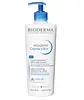 Key Ingredients
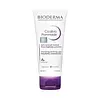
Benefits
Concerns
Ingredients Side-by-side
Water
Skin ConditioningParaffinum Liquidum
Emollient


Glycerin
Humectant



Brassica Campestris Seed Oil
Skin Conditioning
Sodium Polyacrylate
Absorbent
Pentylene Glycol
Skin ConditioningCetearyl Alcohol
Emollient

1,2-Hexanediol
Skin Conditioning
Caprylyl Glycol
Emollient
Acrylates/C10-30 Alkyl Acrylate Crosspolymer
Emulsion StabilisingSodium Citrate
BufferingXylitol
Humectant
Cetearyl Glucoside
EmulsifyingMannitol
Humectant
Tocopherol
Antioxidant


Rhamnose
HumectantXylitylglucoside
Humectant
Helianthus Annuus Seed Oil
Emollient
Anhydroxylitol
Humectant
Niacinamide
Smoothing






Glucose
Humectant
Fructooligosaccharides
Humectant
Caprylic/Capric Triglyceride
Masking
Laminaria Ochroleuca Extract
Skin Conditioning
Water, Paraffinum Liquidum, Glycerin, Brassica Campestris Seed Oil, Sodium Polyacrylate, Pentylene Glycol, Cetearyl Alcohol, 1,2-Hexanediol, Caprylyl Glycol, Acrylates/C10-30 Alkyl Acrylate Crosspolymer, Sodium Citrate, Xylitol, Cetearyl Glucoside, Mannitol, Tocopherol, Rhamnose, Xylitylglucoside, Helianthus Annuus Seed Oil, Anhydroxylitol, Niacinamide, Glucose, Fructooligosaccharides, Caprylic/Capric Triglyceride, Laminaria Ochroleuca Extract
Water
Skin ConditioningGlycerin
Humectant
Paraffinum Liquidum
Emollient
Caprylic/Capric Triglyceride
Masking
Fructooligosaccharides
Humectant
Polyglyceryl-4 Diisostearate/Polyhydroxystearate/Sebacate
Emulsifying
Propanediol
Solvent
Xylitol
Humectant
Zinc Stearate
Cosmetic ColorantSodium Citrate
BufferingButylene Glycol
Humectant
Capryloyl Glycine
CleansingCopper Sulfate
Skin Conditioning
Sodium Hydroxide
BufferingSodium Hyaluronate
Humectant
Zinc Sulfate
AntimicrobialVitis Vinifera Vine Extract
Skin ConditioningLaureth-3
EmulsifyingAsiaticoside
Antioxidant
Madecassic Acid
Skin Conditioning
Asiatic Acid
Skin ConditioningLaminaria Ochroleuca Extract
Skin Conditioning
Hydroxyethylcellulose
Emulsion StabilisingAcetyl Dipeptide-1 Cetyl Ester
Skin Conditioning
Mannitol
Humectant
Potassium Sorbate
Preservative
Rhamnose
HumectantWater, Glycerin, Paraffinum Liquidum, Caprylic/Capric Triglyceride, Fructooligosaccharides, Polyglyceryl-4 Diisostearate/Polyhydroxystearate/Sebacate, Propanediol, Xylitol, Zinc Stearate, Sodium Citrate, Butylene Glycol, Capryloyl Glycine, Copper Sulfate, Sodium Hydroxide, Sodium Hyaluronate, Zinc Sulfate, Vitis Vinifera Vine Extract, Laureth-3, Asiaticoside, Madecassic Acid, Asiatic Acid, Laminaria Ochroleuca Extract, Hydroxyethylcellulose, Acetyl Dipeptide-1 Cetyl Ester, Mannitol, Potassium Sorbate, Rhamnose
Reviews
Ingredients Explained
These ingredients are found in both products.
Ingredients higher up in an ingredient list are typically present in a larger amount.
This ingredient is an emollient, solvent, and texture enhancer. It is considered a skin-softener by helping the skin prevent moisture loss.
It helps thicken a product's formula and makes it easier to spread by dissolving clumping compounds.
Caprylic Triglyceride is made by combining glycerin with coconut oil, forming a clear liquid.
While there is an assumption Caprylic Triglyceride can clog pores due to it being derived from coconut oil, there is no research supporting this.
Learn more about Caprylic/Capric TriglycerideFructooligosaccharides is an alternative sweetener. It is often derived from the blue agave plant.
This ingredient is a prebiotic and helps to hydrate the skin. Emerging studies are also showing fructooligosaccharides to have antioxidant properties.
As a humectant, Fructooligosaccharides helps draw moisture to the skin, helping to hydrate the skin.
Bananas, onions, garlic, asparagus, jícama, and leeks also contain fructooligosaccharides.
Learn more about FructooligosaccharidesGlycerin is already naturally found in your skin. It helps moisturize and protect your skin.
A study from 2016 found glycerin to be more effective as a humectant than AHAs and hyaluronic acid.
As a humectant, it helps the skin stay hydrated by pulling moisture to your skin. The low molecular weight of glycerin allows it to pull moisture into the deeper layers of your skin.
Hydrated skin improves your skin barrier; Your skin barrier helps protect against irritants and bacteria.
Glycerin has also been found to have antimicrobial and antiviral properties. Due to these properties, glycerin is often used in wound and burn treatments.
In cosmetics, glycerin is usually derived from plants such as soybean or palm. However, it can also be sourced from animals, such as tallow or animal fat.
This ingredient is organic, colorless, odorless, and non-toxic.
Glycerin is the name for this ingredient in American English. British English uses Glycerol/Glycerine.
Learn more about GlycerinLaminaria Ochroleuca Extract is a type of kelp. It helps sooth and hydrate the skin. By nourishing the skin's barrier, it may also help relieve irritation.
This ingredient contains both lipids and antioxidants. The lipids nourish the skin's barrier. Antioxidants help fight free-radicals. Free-radicals are molecules that may damage your skin cells.
This ingredient is good for soothing sensitive skin.
Many different types of algae have different benefits.
Learn more about Laminaria Ochroleuca ExtractMannitol is a sugar alcohol. It is a humectant and moisturizes the skin. In vitro (not tested on a living organism), mannitol displays antioxidant properties.
When found in aqueous solutions, mannitol tends to become acidic. This is because it loses a hydrogen ion. This is why mannitol can often be found with pH adjusting ingredients, such as sodium bicarbonate.
Fun fact: Mannitol can be found in foods as a sweetener. It can be naturally found in mushrooms, algae, fruits, and veggies.
Learn more about MannitolParaffinum Liquidum is also known as liquid paraffin. It is a type of highly refined mineral oil.
Like other oils, Paraffinum Liquidum has emollient properties. Emollients help soothe and soften the skin. By creating a barrier to trap moisture within, emollients help keep your skin hydrated.
Paraffinum Liquidum does not irritate the skin and is non-comedogenic.
Learn more about Paraffinum LiquidumWe don't have a description for Rhamnose yet.
Sodium Citrate is the sodium salts of citric acid. In skincare, it is used to alter pH levels and acts as a preservative.
Its main functions are to maintain the pH of a product and neutralize metal ions.
The acidity of our skin is maintained by our glands and skin biome; normal pH level of skin is slightly acidic (~4.75-5.5).
Being slightly acidic allows our skin to create an "acid mantle". This acid mantle is a thin barrier that protects our skin from bacteria and contaminants.
Learn more about Sodium CitrateWater. It's the most common cosmetic ingredient of all. You'll usually see it at the top of ingredient lists, meaning that it makes up the largest part of the product.
So why is it so popular? Water most often acts as a solvent - this means that it helps dissolve other ingredients into the formulation.
You'll also recognize water as that liquid we all need to stay alive. If you see this, drink a glass of water. Stay hydrated!
Learn more about WaterXylitol is a humectant and prebiotic. It can help with dry skin.
In studies, xylitol has been shown to improve dry skin. It decreased transepidermal water loss, or when water passes through the skin and evaporates. Xylitol also showed to help improve the biomechanical properties of the skin barrier.
The prebiotic property of xylitol may also help reinforce our skin's natural microbiome. Having a healthy microbiome prevents infection by bad bacteria and helps with hydration.
As a humectant, Xylitol helps draw moisture from both the air and from deeper skin layers. This helps keep skin hydrated.
Xylitol is a sugar alcohol and commonly used as a sugar substitute. It is naturally occurring in plants such as strawberries and pumpkin.
Learn more about Xylitol
