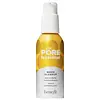
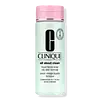
Benefit Cosmetics The Porefessional Good Cleanup Foam Cleanser Versus Clinique All About Clean Liquid Facial Soap

What's inside
What's inside
 Key Ingredients
No key ingredients
Benefits
Concerns
Ingredients Side-by-side
Water
Skin ConditioningCoco-Betaine
CleansingGlycerin
Humectant



Butylene Glycol
Humectant
PEG-120 Methyl Glucose Dioleate
Emulsifying
Sodium Lauroyl Sarcosinate
CleansingMaltitol
HumectantSodium Methyl Cocoyl Taurate
Cleansing
Sodium Cocoyl Isethionate
CleansingPolyacrylate Crosspolymer-6
Emulsion StabilisingSodium Benzoate
Masking
Caprylyl Glycol
Emollient
Citric Acid
Buffering




Hydroxyacetophenone
Antioxidant

Parfum
Masking

Polyquaternium-22
Bisabolol
Masking

Sodium Citrate
BufferingPentylene Glycol
Skin ConditioningCitrus Limon Fruit Extract
Masking
Sphingolipids
Emollient
Sphingomonas Ferment Extract
Skin Conditioning
Citrus Junos Fruit Extract
Skin ConditioningPentaerythrityl Tetra-Di-T-Butyl Hydroxyhydrocinnamate
Antioxidant
Tocopherol
Antioxidant

Water, Coco-Betaine, Glycerin, Butylene Glycol, PEG-120 Methyl Glucose Dioleate, Sodium Lauroyl Sarcosinate, Maltitol, Sodium Methyl Cocoyl Taurate, Sodium Cocoyl Isethionate, Polyacrylate Crosspolymer-6, Sodium Benzoate, Caprylyl Glycol, Citric Acid, Hydroxyacetophenone, Parfum, Polyquaternium-22, Bisabolol, Sodium Citrate, Pentylene Glycol, Citrus Limon Fruit Extract, Sphingolipids, Sphingomonas Ferment Extract, Citrus Junos Fruit Extract, Pentaerythrityl Tetra-Di-T-Butyl Hydroxyhydrocinnamate, Tocopherol
Water
Skin ConditioningLauramidopropyl Betaine
CleansingCocamidopropyl Hydroxysultaine
CleansingSodium Chloride
Masking

Sodium Laureth Sulfate
Cleansing
Sodium Cocoyl Sarcosinate
CleansingTea-Cocoyl Glutamate
CleansingButylene Glycol
Humectant
Aloe Barbadensis Leaf Juice
Skin Conditioning
PEG-120 Methyl Glucose Dioleate
Emulsifying
Sucrose
Humectant
Sodium Coco Pg-Dimonium Chloride Phosphate
CleansingCitric Acid
Buffering
Hexylene Glycol
EmulsifyingPolyquaternium-7
Caprylyl Glycol
Emollient
Disodium EDTA
Methylchloroisothiazolinone
Preservative
Methylisothiazolinone
Preservative
Phenoxyethanol
Preservative
Water, Lauramidopropyl Betaine, Cocamidopropyl Hydroxysultaine, Sodium Chloride, Sodium Laureth Sulfate, Sodium Cocoyl Sarcosinate, Tea-Cocoyl Glutamate, Butylene Glycol, Aloe Barbadensis Leaf Juice, PEG-120 Methyl Glucose Dioleate, Sucrose, Sodium Coco Pg-Dimonium Chloride Phosphate, Citric Acid, Hexylene Glycol, Polyquaternium-7, Caprylyl Glycol, Disodium EDTA, Methylchloroisothiazolinone, Methylisothiazolinone, Phenoxyethanol
Reviews
Ingredients Explained
These ingredients are found in both products.
Ingredients higher up in an ingredient list are typically present in a larger amount.
Butylene Glycol (or BG) is used within cosmetic products for a few different reasons:
Overall, Butylene Glycol is a safe and well-rounded ingredient that works well with other ingredients.
Though this ingredient works well with most skin types, some people with sensitive skin may experience a reaction such as allergic rashes, closed comedones, or itchiness.
Learn more about Butylene GlycolCaprylyl Glycol is a humectant and emollient, meaning it attracts and preserves moisture.
It is a common ingredient in many products, especially those designed to hydrate skin. The primary benefits are retaining moisture, skin softening, and promoting a healthy skin barrier.
Though Caprylyl Glycol is an alcohol derived from fatty acids, it is not the kind that can dry out skin.
This ingredient is also used as a preservative to extend the life of products. It has slight antimicrobial properties.
Learn more about Caprylyl GlycolCitric Acid is an alpha hydroxy acid (AHA) naturally found in citrus fruits like oranges, lemons, and limes.
Like other AHAs, citric acid can exfoliate skin by breaking down the bonds that hold dead skin cells together. This helps reveal smoother and brighter skin underneath.
However, this exfoliating effect only happens at high concentrations (20%) which can be hard to find in cosmetic products.
Due to this, citric acid is usually included in small amounts as a pH adjuster. This helps keep products slightly more acidic and compatible with skin's natural pH.
In skincare formulas, citric acid can:
While it can provide some skin benefits, research shows lactic acid and glycolic acid are generally more effective and less irritating exfoliants.
Most citric acid used in skincare today is made by fermenting sugars (usually from molasses). This synthetic version is identical to the natural citrus form but easier to stabilize and use in formulations.
Read more about some other popular AHA's here:
Learn more about Citric AcidPeg-120 Methyl Glucose Dioleate is used to improve texture and stability of a product. It is sugar based and helps thicken a product.
Once applied, it also creates a thin film to trap moisture in. This helps keep your skin hydrated.
This ingredient is the polyethylene glycol ether of the diester of oleic acid and methylglucose. The 120 represents an average of 120 moles of ethylene oxide.
There is limited research on this ingredient, although it is considered safe to use in skincare products.
Learn more about PEG-120 Methyl Glucose DioleateWater. It's the most common cosmetic ingredient of all. You'll usually see it at the top of ingredient lists, meaning that it makes up the largest part of the product.
So why is it so popular? Water most often acts as a solvent - this means that it helps dissolve other ingredients into the formulation.
You'll also recognize water as that liquid we all need to stay alive. If you see this, drink a glass of water. Stay hydrated!
Learn more about Water
