Beauty of Joseon Glow Serum: Propolis + Niacinamide Versus Plum Goodness 15% Vitamin C Face Serum With Mandarin
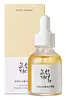
This acne serum is formulated around Propolis Extract and Niacinamide to clear breakouts and brighten dull-looking skin.
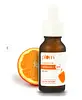
This brightening serum is formulated around 3-O-Ethyl Ascorbic Acid to brighten dull-looking skin and fade the look of dark spots.


What's inside
What's inside
 Key Ingredients
Benefits
Concerns
Ingredients Side-by-side
Propolis Extract
Skin Conditioning




Dipropylene Glycol
HumectantGlycerin
Humectant

Butylene Glycol
Humectant
Water
Skin ConditioningNiacinamide
Smoothing






1,2-Hexanediol
Skin Conditioning
Melia Azadirachta Flower Extract
Skin ConditioningMelia Azadirachta Leaf Extract
Skin ConditioningSodium Hyaluronate
Humectant
Curcuma Longa Root Extract
Antioxidant

Ocimum Sanctum Leaf Extract
Skin ConditioningTheobroma Cacao Seed Extract
Antioxidant
Melaleuca Alternifolia Leaf Extract
Perfuming
Centella Asiatica Extract
Cleansing
Corallina Officinalis Extract
Skin Conditioning

Lotus Corniculatus Seed Extract
Skin ConditioningCalophyllum Inophyllum Seed Oil
Antimicrobial


Betaine Salicylate
Antimicrobial

Sodium Polyacryloyldimethyl Taurate
Emulsion StabilisingTromethamine
BufferingPolyglyceryl-10 Laurate
Skin Conditioning
Caprylyl Glycol
Emollient
Ethylhexylglycerin
Skin ConditioningDextrin
AbsorbentPentylene Glycol
Skin Conditioning
Octanediol
Tocopherol
Antioxidant
Xanthan Gum
EmulsifyingCarbomer
Emulsion StabilisingPropolis Extract, Dipropylene Glycol, Glycerin, Butylene Glycol, Water, Niacinamide, 1,2-Hexanediol, Melia Azadirachta Flower Extract, Melia Azadirachta Leaf Extract, Sodium Hyaluronate, Curcuma Longa Root Extract, Ocimum Sanctum Leaf Extract, Theobroma Cacao Seed Extract, Melaleuca Alternifolia Leaf Extract, Centella Asiatica Extract, Corallina Officinalis Extract, Lotus Corniculatus Seed Extract, Calophyllum Inophyllum Seed Oil, Betaine Salicylate, Sodium Polyacryloyldimethyl Taurate, Tromethamine, Polyglyceryl-10 Laurate, Caprylyl Glycol, Ethylhexylglycerin, Dextrin, Pentylene Glycol, Octanediol, Tocopherol, Xanthan Gum, Carbomer
Water
Skin Conditioning3-O-Ethyl Ascorbic Acid
Skin Conditioning
Propanediol
Solvent
Betaine
Humectant
Isodecyl Neopentanoate
EmollientEthoxydiglycol
HumectantSodium Citrate
BufferingCitric Acid
Buffering
Citrus Reticulata Peel Extract
Skin ConditioningTerminalia Ferdinandiana Fruit Extract
Antioxidant
Rosa Damascena Extract
MaskingBenzyl Alcohol
Perfuming



Hydroxyacetophenone
Antioxidant
Caprylyl Glycol
Emollient
Trilaureth-4 Phosphate
EmulsifyingSodium Polyacryloyldimethyl Taurate
Emulsion StabilisingXanthan Gum
EmulsifyingSodium Gluconate
ChelatingWater, 3-O-Ethyl Ascorbic Acid, Propanediol, Betaine, Isodecyl Neopentanoate, Ethoxydiglycol, Sodium Citrate, Citric Acid, Citrus Reticulata Peel Extract, Terminalia Ferdinandiana Fruit Extract, Rosa Damascena Extract, Benzyl Alcohol, Hydroxyacetophenone, Caprylyl Glycol, Trilaureth-4 Phosphate, Sodium Polyacryloyldimethyl Taurate, Xanthan Gum, Sodium Gluconate
Reviews
Ingredients Explained
These ingredients are found in both products.
Ingredients higher up in an ingredient list are typically present in a larger amount.
Caprylyl Glycol is a humectant, skin conditioner, emollient, and preservative booster derived from either caprylic acid or synthetically created.
Typical use levels vary from 0.3-1% as a preservative booster and go up to 2% to condition skin.
Because it is not a free-fatty acid, this ingredient is fungal acne safe (there's nothing for Malassezia to feed on).
Learn more about Caprylyl GlycolThis is a lab-made ingredient that plays a huge role in improving the texture of a formula.
It's used to thicken watery gel-creams, prevent water + oil from separating, and give products a silky, non-greasy glide.
Safety-wise, a panel of independent toxicologists reviewed this ingredient and concluded it to be safe in cosmetics in the present practices of use and concentration.
A separate sensitization patch test on humans also showed no evidence of allergic reactivity, and a true allergy to this ingredient is considered rare.
Typical usage levels range from 0.015%-3% in leave-on products and 0.078%-3.2% in rinse-off products.
Learn more about Sodium Polyacryloyldimethyl TaurateWater. It's the most common cosmetic ingredient of all. You'll usually see it at the top of ingredient lists, meaning that it makes up the largest part of the product.
So why is it so popular? Water most often acts as a solvent - this means that it helps dissolve other ingredients into the formulation.
You'll also recognize water as that liquid we all need to stay alive. If you see this, drink a glass of water. Remember to stay hydrated!
Learn more about WaterXanthan gum is used as a stabilizer and thickener within cosmetic products. It helps give products a sticky, thick feeling - preventing them from being too runny.
On the technical side of things, xanthan gum is a polysaccharide - a combination consisting of multiple sugar molecules bonded together.
Xanthan gum is a pretty common and great ingredient. It is a natural, non-toxic, non-irritating ingredient that is also commonly used in food products.
Learn more about Xanthan Gum

