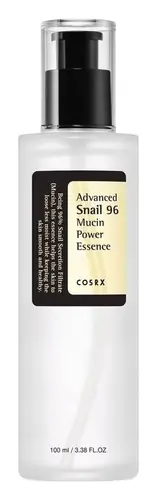
This oil-control serum is formulated around Polysilicone-11 to balance excess oil.
This hydrating serum is formulated around Polyglutamic Acid to hydrate skin and strengthen the skin barrier.


What's inside
What's inside
 Benefits
Concerns
Ingredients Side-by-side
Water
Skin ConditioningCyclopentasiloxane
Emollient
Butylene Glycol
Humectant

Hydroxyethyl Acrylate/Sodium Acryloyldimethyl Taurate Copolymer
Emulsion StabilisingLaurus Nobilis Leaf Extract
MaskingDimethicone
Emollient
Polysilicone-11

Decyl Glucoside
Cleansing
Sodium Acrylate/Sodium Acryloyldimethyl Taurate Copolymer
Emulsion StabilisingIsohexadecane
EmollientPolysorbate 80
Emulsifying

Poterium Officinale Root Extract
AntimicrobialCinnamomum Cassia Bark Extract
Masking
Zingiber Officinale Root Extract
Masking
Buddleja Davidii Extract
Skin ConditioningThymus Vulgaris Flower/Leaf Extract
MaskingArtemisia Umbelliformis Extract
Skin ConditioningPiper Methysticum Leaf/Root/Stem Extract
Skin ConditioningSalvia Officinalis Leaf Extract
CleansingEcklonia Cava Extract
Skin Conditioning
Hizikia Fusiforme Extract
Skin Conditioning
Codium Tomentosum Extract
Skin ProtectingGelidium Cartilagineum Extract
Skin ProtectingMagnesium Chloride
Potassium Chloride
Aluminum Chloride
AstringentZinc Chloride
AntimicrobialCopper Sulfate
Skin ConditioningManganese Chloride
Skin ConditioningSodium Chloride
MaskingLysine
Skin Conditioning1,2-Hexanediol
Skin Conditioning
Illicium Verum Fruit Extract
Perfuming
Scutellaria Baicalensis Root Extract
Astringent
Parfum
Masking

Water, Cyclopentasiloxane, Butylene Glycol, Hydroxyethyl Acrylate/Sodium Acryloyldimethyl Taurate Copolymer, Laurus Nobilis Leaf Extract, Dimethicone, Polysilicone-11, Decyl Glucoside, Sodium Acrylate/Sodium Acryloyldimethyl Taurate Copolymer, Isohexadecane, Polysorbate 80, Poterium Officinale Root Extract, Cinnamomum Cassia Bark Extract, Zingiber Officinale Root Extract, Buddleja Davidii Extract, Thymus Vulgaris Flower/Leaf Extract, Artemisia Umbelliformis Extract, Piper Methysticum Leaf/Root/Stem Extract, Salvia Officinalis Leaf Extract, Ecklonia Cava Extract, Hizikia Fusiforme Extract, Codium Tomentosum Extract, Gelidium Cartilagineum Extract, Magnesium Chloride, Potassium Chloride, Aluminum Chloride, Zinc Chloride, Copper Sulfate, Manganese Chloride, Sodium Chloride, Lysine, 1,2-Hexanediol, Illicium Verum Fruit Extract, Scutellaria Baicalensis Root Extract, Parfum
Water
Skin ConditioningDimethicone
Emollient
Butylene Glycol
Humectant
Bis-PEG-12 Dimethicone
Emollient
Glycerin
Humectant
Polymethylsilsesquioxane
Polysilicone-11
Phenoxyethanol
Preservative
Polyglutamic Acid
Skin Conditioning
Sodium Acrylate/Sodium Acryloyldimethyl Taurate Copolymer
Emulsion StabilisingIsohexadecane
EmollientPropanediol
Solvent
Coco-Glucoside
Cleansing
Sodium Benzoate
Masking
Hydroxyethylcellulose
Emulsion StabilisingPolysorbate 80
Emulsifying
Ethylhexylglycerin
Skin ConditioningPotassium Sorbate
Preservative
Decyl Glucoside
Cleansing
Dimethylacrylamide/Acrylic Acid/Polystyrene Ethyl Methacrylate Copolymer
Skin ConditioningSorbitan Oleate
Emulsifying
Trisodium Ethylenediamine Disuccinate
ChelatingCaprylyl Glycol
Emollient
Hexylene Glycol
EmulsifyingOryza Sativa Bran Extract
Skin Conditioning
Water, Dimethicone, Butylene Glycol, Bis-PEG-12 Dimethicone, Glycerin, Polymethylsilsesquioxane, Polysilicone-11, Phenoxyethanol, Polyglutamic Acid, Sodium Acrylate/Sodium Acryloyldimethyl Taurate Copolymer, Isohexadecane, Propanediol, Coco-Glucoside, Sodium Benzoate, Hydroxyethylcellulose, Polysorbate 80, Ethylhexylglycerin, Potassium Sorbate, Decyl Glucoside, Dimethylacrylamide/Acrylic Acid/Polystyrene Ethyl Methacrylate Copolymer, Sorbitan Oleate, Trisodium Ethylenediamine Disuccinate, Caprylyl Glycol, Hexylene Glycol, Oryza Sativa Bran Extract
Reviews
Ingredients Explained
These ingredients are found in both products.
Ingredients higher up in an ingredient list are typically present in a larger amount.
Butylene Glycol (or BG) is used within cosmetic products for a few different reasons:
Overall, Butylene Glycol is a safe and well-rounded ingredient that works well with other ingredients.
Though this ingredient works well with most skin types, some people with sensitive skin may experience a reaction such as allergic rashes, closed comedones, or itchiness.
Learn more about Butylene GlycolDecyl Glucoside is a plant-derived surfactant and emulsion stabilizer. It is created by reacting glucose with the fatty acids from plants.
Like all surfactants, it works by lowering the surface tension between water and oil. This makes it so that dirt, sebum, and makeup can be lifted off your skin and rinsed away. It also produces a dense and creamy foam.
Because it has a neutral charge, it is compatible with a wide range of ingredients and stays stable across a broad pH range/water hardiness conditions.
Patch testing has shown it to have the lowest irritation potential among common cleansing surfactants (like SLS).
Typical use levels range from 5-20% in rinse-off cleansers.
One thing worth knowing: The American Contact Dermatitis Society named the parent family, alkyl glucosides, "Allergen of the Year" in 2017. The prevalence of allergy is pretty low but be sure to patch test if you've reacted to "gentle" or sulfate-free cleansers before.
This ingredient is fungal acne safe because the fatty alcohol portion of this ingredient is not within the C11-24 chain length that Malassezia can metabolize.
Learn more about Decyl GlucosideDimethicone is a type of synthetic silicone created from natural materials such as quartz. It is also known as polydimethylsiloxane.
What it does:
Dimethicone comes in different viscosities:
Depending on the viscosity, dimethicone has different properties.
Ingredients lists don't always show which type is used, so we recommend reaching out to the brand if you have questions about the viscosity.
This ingredient is unlikely to cause irritation because it does not get absorbed into skin. However, people with silicone allergies should be careful about using this ingredient.
Note: Dimethicone may contribute to pilling. This is because it is not oil or water soluble, so pilling may occur when layered with products. When mixed with heavy oils in a formula, the outcome is also quite greasy.
Learn more about DimethiconeIsohexadecane is added to enhance texture, emulsify, and to help cleanse. It is an isoparrafin. It is a component of petrolatum.
Due to its large size, Isohexadecane is not absorbed by the skin. Instead, it sits on top and acts as an emollient. Emollients help keep your skin soft and smooth by trapping moisture within.
Isohexadecane is often used in products designed to help oily skin. It is lightweight and non-greasy while helping to moisturize. When mixed with silicones, it gives a product a silky feel.
Learn more about IsohexadecanePolysilicone-11 is a film-forming silicone that creates a non-tacky and matte finish on the skin. It's commonly used to improve texture, absorb excess oil, and help active ingredients spread evenly.
Due to its "rubber-like" structure, it stays on the skin's surface instead of being absorbed. On the skin, it creates a flexible layer that enhances wearability and stability.
Polysorbate 80 is a synthetic surfactant and emulsifier derived from sorbitol and oleic acid.
It reduces the surface tension between oil and water phases to help them stay mixed and stable in a formulation. In other words, it prevents your formulas from separating into an oily mess.
The CIR Expert Panel has evaluated the scientific data and found this ingredient to be safe, non-irritating, and non-sensitizing at concentrations up to 5% (it's even approved by the FDA as an OTC eye drop ingredient).
Learn more about Polysorbate 80This long ingredient is a copolymer of sodium acrylate and sodium acryloyldimethyl taurate monomers.
It is used to help stabilize other ingredients and create a thicker gel-like texture.
Emulsifiers prevent oils and waters from separating.
Learn more about Sodium Acrylate/Sodium Acryloyldimethyl Taurate CopolymerWater. It's the most common cosmetic ingredient of all. You'll usually see it at the top of ingredient lists, meaning that it makes up the largest part of the product.
So why is it so popular? Water most often acts as a solvent - this means that it helps dissolve other ingredients into the formulation.
You'll also recognize water as that liquid we all need to stay alive. If you see this, drink a glass of water. Remember to stay hydrated!
Learn more about Water