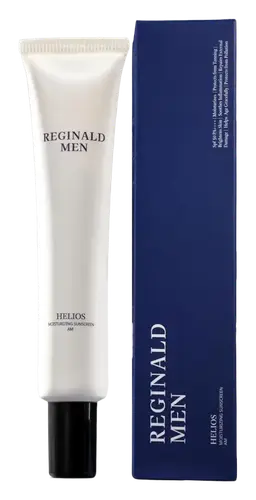
Barulab Cooling Pro UV Protection Outdoor Golf Sun Patch Versus Her Hyness Hya+ Water Sunscreen SPF 50+ PA++++
This sunscreen doesn't have a confirmed SPF on file yet, so check the label for its level of protection.
This hybrid sunscreen covers the full UV range and blocks ~98% of UVB at SPF 50.

What's inside
What's inside
 Key Ingredients
Benefits
Concerns
Ingredients Side-by-side
Water
Skin ConditioningGlycerin
Humectant


Sodium Polyacrylate
Absorbent
Carbomer
Emulsion StabilisingCollagen Extract
Skin Conditioning
1,2-Hexanediol
Skin Conditioning
Opuntia Ficus-Indica Stem Extract
Skin Conditioning
Cellulose Gum
Emulsion StabilisingPolyacrylic Acid
Emulsion StabilisingCaprylyl Glycol
Emollient
Dipotassium Glycyrrhizate
Humectant
Menthyl Lactate
Masking
Tartaric Acid
Buffering


Disodium EDTA
ChelatingAluminum Glycinate
AstringentButylene Glycol
Humectant
Parfum
Masking


Ethylhexylglycerin
Skin ConditioningHydrolyzed Hyaluronic Acid
Humectant
Water, Glycerin, Sodium Polyacrylate, Carbomer, Collagen Extract, 1,2-Hexanediol, Opuntia Ficus-Indica Stem Extract, Cellulose Gum, Polyacrylic Acid, Caprylyl Glycol, Dipotassium Glycyrrhizate, Menthyl Lactate, Tartaric Acid, Disodium EDTA, Aluminum Glycinate, Butylene Glycol, Parfum, Ethylhexylglycerin, Hydrolyzed Hyaluronic Acid
Water
Skin ConditioningButyl Methoxydibenzoylmethane
UV Absorber
Octocrylene
UV Absorber
Titanium Dioxide
Cosmetic Colorant
Ethylhexyl Salicylate
UV Absorber
Zinc Oxide
Cosmetic Colorant
Glycine Soja Phytoplacenta Extract
Skin ConditioningGlycerin
Humectant
Phospholipids
Skin Conditioning
Glycereth-26
Humectant
Aluminum Hydroxide
EmollientHydroxyethyl Urea
Humectant
Niacinamide
Smoothing




Royal Jelly
Butylene Glycol
Humectant
1,2-Hexanediol
Skin Conditioning
Lecithin
Emollient
Hydrogenated Lecithin
Emulsifying
Dipotassium Glycyrrhizate
Humectant
Chamaecyparis Obtusa Leaf Extract
Skin ConditioningPotassium Olivoyl PCA
CleansingCeramide NP
Skin Conditioning
Tromethamine
BufferingGalactoarabinan
Caprylyl Glycol
Emollient
Hydroxypropyl Cyclodextrin
MaskingMelatonin
Antioxidant
Adenosine
Skin Conditioning
Sodium Hyaluronate
Humectant
Phenoxyethanol
Preservative
Ethylhexylglycerin
Skin ConditioningWater, Butyl Methoxydibenzoylmethane, Octocrylene, Titanium Dioxide, Ethylhexyl Salicylate, Zinc Oxide, Glycine Soja Phytoplacenta Extract, Glycerin, Phospholipids, Glycereth-26, Aluminum Hydroxide, Hydroxyethyl Urea, Niacinamide, Royal Jelly, Butylene Glycol, 1,2-Hexanediol, Lecithin, Hydrogenated Lecithin, Dipotassium Glycyrrhizate, Chamaecyparis Obtusa Leaf Extract, Potassium Olivoyl PCA, Ceramide NP, Tromethamine, Galactoarabinan, Caprylyl Glycol, Hydroxypropyl Cyclodextrin, Melatonin, Adenosine, Sodium Hyaluronate, Phenoxyethanol, Ethylhexylglycerin
Reviews
Ingredients Explained
These ingredients are found in both products.
Ingredients higher up in an ingredient list are typically present in a larger amount.
1,2-Hexanediol is a synthetic liquid and another multi-functional powerhouse.
It is a:
- Humectant, drawing moisture into the skin
- Emollient, helping to soften skin
- Solvent, dispersing and stabilizing formulas
- Preservative booster, enhancing the antimicrobial activity of other preservatives
Butylene Glycol (or BG) is used within cosmetic products for a few different reasons:
Overall, Butylene Glycol is a safe and well-rounded ingredient that works well with other ingredients.
Though this ingredient works well with most skin types, some people with sensitive skin may experience a reaction such as allergic rashes, closed comedones, or itchiness.
Learn more about Butylene GlycolCaprylyl Glycol is a humectant, skin conditioner, emollient, and preservative booster derived from either caprylic acid or synthetically created.
Typical use levels vary from 0.3-1% as a preservative booster and go up to 2% to condition skin.
Because it is not a free-fatty acid, this ingredient is fungal acne safe (there's nothing for Malassezia to feed on).
Learn more about Caprylyl GlycolDipotassium Glycyrrhizate comes from licorice root.
Extracts of licorice have demonstrated to have antibacterial, anti‐inflammatory, antiviral, antioxidant properties.
One component, glabridin, has extra potent antioxidant and soothing properties. It has also been found to block pigmentation from UVB rays in guinea pigs.
Licorice Root also contains a flavonoid. Flavonoids are a natural substance from in plants. Flavonoids also have antioxidant properties.
Another component, glycyrrhizin, has been found to have anti-inflammatory and antimicrobial benefits. This may make licorice root extract effective at treating acne. However, more research is needed to support this.
Liquiritin is one of the flavone compounds found in licorice. It has been found to help lighten skin by preventing tyrosinase from reacting with tyrosine. When the two react, protein is converted to melanin. Melanin is the substance in your body that gives your features pigmentation.
Licorice root is native to Southern Europe and Asia. It has been used in traditional Chinese medicine to help with respiratory issues.
Learn more about Dipotassium GlycyrrhizateEthylhexylglycerin is created from glycerin. It is a multitasker ingredient that:
The CIR Expert Panel found minimal skin absorption or sensitization of any kind in a safety assessment. Though this ingredient is considered well-tolerated, a small number of cases of allergic dermatitis have been published since 2002. Just be sure to patch test if you are unsure.
Industry-reported use ranges from 8% in rinse-off products and 2% in leave-on formulations.
Learn more about EthylhexylglycerinGlycerin (or glycerol) is a compound naturally found in your skin. It's a powerhouse humectant that pulls water into the stratum corneum.
Topically, glycerin does several things at once:
Your skin makes glycerin on its own (mostly from sebaceous oil breakdown) and shuttles it to your outermost layer of skin, or your epidermis, via aquaporin-3.
Aquaporin-3 is a transporter that is essential for normal skin hydration, elasticity, and repair. Interestingly, mice lacking in AQP3 have dry and less elastic skin that can be fully corrected with glycerin.
This ingredient is non-irritating, plays well with almost every ingredient, and works across all skin types. Typical use is anywhere between 3-10% but can go up to 79% in some leave-on products.
Just know very high concentrations (>40%) can feel tacky in low humidity.
Glycerin is the name for this ingredient in American English. British English uses Glycerol/Glycerine.
Learn more about GlycerinWater. It's the most common cosmetic ingredient of all. You'll usually see it at the top of ingredient lists, meaning that it makes up the largest part of the product.
So why is it so popular? Water most often acts as a solvent - this means that it helps dissolve other ingredients into the formulation.
You'll also recognize water as that liquid we all need to stay alive. If you see this, drink a glass of water. Remember to stay hydrated!
Learn more about Water