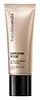
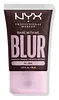
bareMinerals Complexion Rescue Tinted Hydrating Gel Cream Versus NYX Cosmetics Bare With Me Blur Skin Tint Foundation

What's inside
What's inside
 Key Ingredients
Benefits
Concerns
Ingredients Side-by-side
Titanium Dioxide 6.2%
Cosmetic Colorant

Water
Skin ConditioningCoconut Alkanes
Emollient
Propanediol
Solvent

Squalane
Emollient
Trehalose
Humectant
Isostearic Acid
Cleansing

Glycerin
Humectant
Silica
Abrasive


Agar
MaskingCaprylic/Capric Triglyceride
Masking
Globularia Cordifolia Callus Culture Extract
Skin ConditioningSalicornia Herbacea Extract
Skin ConditioningMelilotus Officinalis Extract
AstringentCoco-Caprylate/Caprate
Emollient
Butylene Glycol
Humectant
Lauroyl Lysine
Skin Conditioning
Sodium Hyaluronate
Humectant

Succinoglycan
Skin ConditioningPolysorbate 60
Emulsifying
Cellulose Gum
Emulsion StabilisingPolyglyceryl-4 Laurate/Succinate
Sorbitan Sesquiisostearate
Emulsifying
Magnesium Stearate
Cosmetic ColorantMagnesium Hydroxide
AbsorbentMagnesium Chloride
Potassium Chloride
Calcium Chloride
AstringentPotassium Sorbate
Preservative
Phenoxyethanol
Preservative
Titanium Dioxide 6.2%, Water, Coconut Alkanes, Propanediol, Squalane, Trehalose, Isostearic Acid, Glycerin, Silica, Agar, Caprylic/Capric Triglyceride, Globularia Cordifolia Callus Culture Extract, Salicornia Herbacea Extract, Melilotus Officinalis Extract, Coco-Caprylate/Caprate, Butylene Glycol, Lauroyl Lysine, Sodium Hyaluronate, Succinoglycan, Polysorbate 60, Cellulose Gum, Polyglyceryl-4 Laurate/Succinate, Sorbitan Sesquiisostearate, Magnesium Stearate, Magnesium Hydroxide, Magnesium Chloride, Potassium Chloride, Calcium Chloride, Potassium Sorbate, Phenoxyethanol
Dimethicone
Emollient
Water
Skin ConditioningIsododecane
EmollientGlycerin
Humectant
Silica
Abrasive
PEG-9 Polydimethylsiloxyethyl Dimethicone
Emulsifying
Propylene Glycol
Humectant

Disteardimonium Hectorite
StabilisingDimethicone Crosspolymer
Emulsion Stabilising
PEG-10 Dimethicone
Skin Conditioning
Cetyl PEG/PPG-10/1 Dimethicone
Emulsifying
Phenoxyethanol
Preservative
Sodium Chloride
MaskingPolyglyceryl-4 Isostearate
Emulsifying
Caprylyl Glycol
Emollient
Disodium Stearoyl Glutamate
CleansingEthylhexylglycerin
Skin ConditioningAluminum Hydroxide
EmollientButylene Glycol
Humectant
Camellia Sinensis Leaf Extract
Antimicrobial


Niacinamide
Smoothing



Sodium Hyaluronate
Humectant
Tocopherol
Antioxidant
Pentaerythrityl Tetra-Di-T-Butyl Hydroxyhydrocinnamate
Antioxidant
Dimethicone, Water, Isododecane, Glycerin, Silica, PEG-9 Polydimethylsiloxyethyl Dimethicone, Propylene Glycol, Disteardimonium Hectorite, Dimethicone Crosspolymer, PEG-10 Dimethicone, Cetyl PEG/PPG-10/1 Dimethicone, Phenoxyethanol, Sodium Chloride, Polyglyceryl-4 Isostearate, Caprylyl Glycol, Disodium Stearoyl Glutamate, Ethylhexylglycerin, Aluminum Hydroxide, Butylene Glycol, Camellia Sinensis Leaf Extract, Niacinamide, Sodium Hyaluronate, Tocopherol, Pentaerythrityl Tetra-Di-T-Butyl Hydroxyhydrocinnamate
Reviews
Ingredients Explained
These ingredients are found in both products.
Ingredients higher up in an ingredient list are typically present in a larger amount.
Butylene Glycol (or BG) is used within cosmetic products for a few different reasons:
Overall, Butylene Glycol is a safe and well-rounded ingredient that works well with other ingredients.
Though this ingredient works well with most skin types, some people with sensitive skin may experience a reaction such as allergic rashes, closed comedones, or itchiness.
Learn more about Butylene GlycolGlycerin (or glycerol) is a compound naturally found in your skin. It's a powerhouse humectant that pulls water into the stratum corneum.
Topically, glycerin does several things at once:
Your skin makes glycerin on its own (mostly from sebaceous oil breakdown) and shuttles it to your outermost layer of skin, or your epidermis, via aquaporin-3.
Aquaporin-3 is a transporter that is essential for normal skin hydration, elasticity, and repair. Interestingly, mice lacking in AQP3 have dry and less elastic skin that can be fully corrected with glycerin.
This ingredient is non-irritating, plays well with almost every ingredient, and works across all skin types. Typical use is anywhere between 3-10% but can go up to 79% in some leave-on products.
Just know very high concentrations (>40%) can feel tacky in low humidity.
Glycerin is the name for this ingredient in American English. British English uses Glycerol/Glycerine.
Learn more about GlycerinPhenoxyethanol is a preservative that has germicide, antimicrobial, and aromatic properties. Studies show that phenoxyethanol can prevent microbial growth. By itself, it has a scent that is similar to that of a rose.
It's often used in formulations along with Caprylyl Glycol to preserve the shelf life of products.
Silica, also known as silicon dioxide, is a naturally occurring mineral. It is used as a fine, spherical, and porous powder in cosmetics.
Though it has exfoliant properties, the function of silica varies depending on the product.
The unique structure of silica enhances the spreadability and adds smoothness, making it a great texture enhancer.
It is also used as an active carrier, emulsifier, and mattifier due to its ability to absorb excess oil.
In some products, tiny microneedles called spicules are made from silica or hydrolyzed sponge. When you rub them in, they lightly polish away dead skin layers and enhance the penetration of active ingredients.
Learn more about SilicaSodium Hyaluronate is the salt form of hyaluronic acid. It is a long sugar chain that is naturally found in your skin, joints, and connective tissue that maintains hydration and elasticity.
In skincare, it works as a humectant. It pulls water from the environment and deeper layers of skin and binds it to the surface.
Interestingly, the size of the molecule affects its behavior:
Some clinical evidence links low molecular weight versions to improved wrinkle depth, elasticity, anti-inflammatory effects, and barrier repair.
Many serums use a blend of both weights so you can get surface hydration plus longer-lasting and deeper effects.
You'll typically see concentrations between 0.1-2% for this ingredient.
Learn more about Sodium HyaluronateWater. It's the most common cosmetic ingredient of all. You'll usually see it at the top of ingredient lists, meaning that it makes up the largest part of the product.
So why is it so popular? Water most often acts as a solvent - this means that it helps dissolve other ingredients into the formulation.
You'll also recognize water as that liquid we all need to stay alive. If you see this, drink a glass of water. Remember to stay hydrated!
Learn more about Water
