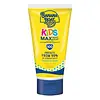
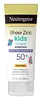
Banana Boat Kids Max Protect & Play Broad Spectrum Sunscreen SPF 100 Versus Neutrogena Sheer Zinc Kids Mineral Sunscreen Broad Spectrum SPF 50+
This chemical sunscreen covers most of the UV range, lighter on the deep UVA that drives aging.
This mineral sunscreen covers the full UV range and blocks ~98% of UVB at SPF 50.

What's inside
What's inside
 Key Ingredients
Benefits
Concerns
Ingredients Side-by-side
Butyl Methoxydibenzoylmethane
UV Absorber
Octocrylene
UV Absorber


Benzophenone-3
UV Absorber
Water
Skin ConditioningHydrogenated Polyisobutene
EmollientLauryl PEG-8 Dimethicone
Surfactant
Butyloctyl Salicylate
Skin Conditioning
Ethylhexyl Palmitate
Emollient


Hydrated Silica
Abrasive
Cyclopentasiloxane
Emollient
Cyclohexasiloxane
Emollient
Sodium Chloride
MaskingBeeswax
Emulsion Stabilising
Acrylates/C12-22 Alkyl Methacrylate Copolymer
Microcrystalline Wax
Emulsion StabilisingPolyethylene
Abrasive
Caprylyl Glycol
Emollient
Disodium EDTA
ChelatingStearoxy Dimethicone
Emollient
PEG-8 Dimethicone
Emulsifying
Aloe Barbadensis Leaf Juice Powder
Skin Conditioning


Octyldodecanol
Emollient
Retinyl Palmitate
Skin Conditioning



Silica
Abrasive

Tocopheryl Acetate
Antioxidant

Ascorbic Acid
Antioxidant


Sodium Propoxyhydroxypropyl Thiosulfate Silica
Benzyl Alcohol
Perfuming




Methylparaben
Preservative
Propylparaben
Preservative
Butyl Methoxydibenzoylmethane, Octocrylene, Benzophenone-3, Water, Hydrogenated Polyisobutene, Lauryl PEG-8 Dimethicone, Butyloctyl Salicylate, Ethylhexyl Palmitate, Hydrated Silica, Cyclopentasiloxane, Cyclohexasiloxane, Sodium Chloride, Beeswax, Acrylates/C12-22 Alkyl Methacrylate Copolymer, Microcrystalline Wax, Polyethylene, Caprylyl Glycol, Disodium EDTA, Stearoxy Dimethicone, PEG-8 Dimethicone, Aloe Barbadensis Leaf Juice Powder, Octyldodecanol, Retinyl Palmitate, Silica, Tocopheryl Acetate, Ascorbic Acid, Sodium Propoxyhydroxypropyl Thiosulfate Silica, Benzyl Alcohol, Methylparaben, Propylparaben
Zinc Oxide
Cosmetic Colorant
Water
Skin ConditioningC12-15 Alkyl Benzoate
AntimicrobialStyrene/Acrylates Copolymer
Octyldodecyl Citrate Crosspolymer
HumectantPhenyl Trimethicone
Skin Conditioning
Cetyl PEG/PPG-10/1 Dimethicone
Emulsifying
Dimethicone
Emollient
Glycerin
Humectant
Polyhydroxystearic Acid
Emulsifying
Ethyl Methicone
Emollient
Silica
Abrasive
Cetyl Dimethicone
Emollient
Triethoxycaprylylsilane
Phenoxyethanol
Preservative
Glyceryl Behenate
Emollient
Sodium Chloride
MaskingAcrylates/Dimethicone Copolymer
Skin Conditioning
Chlorphenesin
Antimicrobial
Phenethyl Alcohol
MaskingCaprylyl Glycol
Emollient
Cetyl Dimethicone/Bis-Vinyldimethicone Crosspolymer
Emollient
Chrysanthemum Parthenium Flower/Leaf/Stem Juice
Antioxidant
Zinc Oxide, Water, C12-15 Alkyl Benzoate, Styrene/Acrylates Copolymer, Octyldodecyl Citrate Crosspolymer, Phenyl Trimethicone, Cetyl PEG/PPG-10/1 Dimethicone, Dimethicone, Glycerin, Polyhydroxystearic Acid, Ethyl Methicone, Silica, Cetyl Dimethicone, Triethoxycaprylylsilane, Phenoxyethanol, Glyceryl Behenate, Sodium Chloride, Acrylates/Dimethicone Copolymer, Chlorphenesin, Phenethyl Alcohol, Caprylyl Glycol, Cetyl Dimethicone/Bis-Vinyldimethicone Crosspolymer, Chrysanthemum Parthenium Flower/Leaf/Stem Juice
Ingredients Explained
These ingredients are found in both products.
Ingredients higher up in an ingredient list are typically present in a larger amount.
Caprylyl Glycol is a humectant, skin conditioner, emollient, and preservative booster derived from either caprylic acid or synthetically created.
Typical use levels vary from 0.3-1% as a preservative booster and go up to 2% to condition skin.
Because it is not a free-fatty acid, this ingredient is fungal acne safe (there's nothing for Malassezia to feed on).
Learn more about Caprylyl GlycolSilica, also known as silicon dioxide, is a naturally occurring mineral. It is used as a fine, spherical, and porous powder in cosmetics.
Though it has exfoliant properties, the function of silica varies depending on the product.
The unique structure of silica enhances the spreadability and adds smoothness, making it a great texture enhancer.
It is also used as an active carrier, emulsifier, and mattifier due to its ability to absorb excess oil.
In some products, tiny microneedles called spicules are made from silica or hydrolyzed sponge. When you rub them in, they lightly polish away dead skin layers and enhance the penetration of active ingredients.
Learn more about SilicaChances are, you eat sodium chloride every day. Sodium Chloride is also known as table salt. This ingredient has many purposes in skincare: thickener, emulsifier, and exfoliator.
You'll most likely find this ingredient in cleansers where it is used to create a gel-like texture. As an emulsifier, it also prevents ingredients from separating.
You might see people debate whether Sodium Chloride is comedogenic, but there actually haven't been any comedogenic tests done on it. Either way, the overall formulation of a product matters a lot more than any single ingredient.
You might see this ingredient used in scrubs as a primary exfoliating ingredient.
Learn more about Sodium ChlorideWater. It's the most common cosmetic ingredient of all. You'll usually see it at the top of ingredient lists, meaning that it makes up the largest part of the product.
So why is it so popular? Water most often acts as a solvent - this means that it helps dissolve other ingredients into the formulation.
You'll also recognize water as that liquid we all need to stay alive. If you see this, drink a glass of water. Remember to stay hydrated!
Learn more about Water

