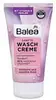
This cream cleanser uses mild cleansing ingredients, but contains alcohol that may feel drying for some.
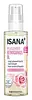
This oil-based makeup remover is made to dissolve makeup, sunscreen, and daily buildup.

What's inside
What's inside
 Key Ingredients
Benefits
Concerns
Ingredients Side-by-side
Water
Skin ConditioningEthylhexyl Stearate
Emollient




Isopropyl Palmitate
Emollient
Glycerin
Humectant


Cetearyl Alcohol
Emollient

Glyceryl Stearate Citrate
Emollient
Glyceryl Stearate
Emollient
Butylene Glycol
Humectant
Cetyl Palmitate
Emollient
Prunus Amygdalus Dulcis Oil
Skin Conditioning
Decyl Oleate
Emollient
Phenoxyethanol
Preservative
Caprylyl Glycol
Emollient
Tocopheryl Acetate
Antioxidant


Decyl Glucoside
Cleansing
Parfum
Masking


Xanthan Gum
EmulsifyingAlcohol Denat.
Antimicrobial

Mannitol
Humectant
Cellulose
Absorbent
Trisodium Ethylenediamine Disuccinate
ChelatingSodium Hydroxide
BufferingCucumis Melo Fruit Extract
Skin ConditioningHamamelis Virginiana Leaf Extract
Skin Conditioning
Hydroxypropyl Methylcellulose
Emulsion StabilisingHydrogenated Palm Glycerides Citrate
Emollient
Tocopherol
Antioxidant


Benzyl Alcohol
Perfuming
Citronellol
Perfuming
Geraniol
Perfuming
Limonene
Perfuming
Linalool
Perfuming
Alpha-Isomethyl Ionone
Perfuming
CI 77491
Cosmetic ColorantWater, Ethylhexyl Stearate, Isopropyl Palmitate, Glycerin, Cetearyl Alcohol, Glyceryl Stearate Citrate, Glyceryl Stearate, Butylene Glycol, Cetyl Palmitate, Prunus Amygdalus Dulcis Oil, Decyl Oleate, Phenoxyethanol, Caprylyl Glycol, Tocopheryl Acetate, Decyl Glucoside, Parfum, Xanthan Gum, Alcohol Denat., Mannitol, Cellulose, Trisodium Ethylenediamine Disuccinate, Sodium Hydroxide, Cucumis Melo Fruit Extract, Hamamelis Virginiana Leaf Extract, Hydroxypropyl Methylcellulose, Hydrogenated Palm Glycerides Citrate, Tocopherol, Benzyl Alcohol, Citronellol, Geraniol, Limonene, Linalool, Alpha-Isomethyl Ionone, CI 77491
Ingredients Explained
These ingredients are found in both products.
Ingredients higher up in an ingredient list are typically present in a larger amount.
Ethylhexyl Stearate is a simplease ester made fby reacting stearic acid (a fatty acid from plant or animal fats) with 2-ethylhexanol (a branched alcohol).
The result is a clear, low-viscosity, almost odorless oily liquid. Think of it as a lightweight synthetic oil that sits on the skin's surface, softens it, and slows water loss. It also works as a solvent that helps dissolve pigments and UV filters so they spread evenly.
Older ingredient lists label it as "Octyl Stearate" and it turns up the most often in makeup products.
Industry data shows usage concentration goes up to ~40% in makeup and up to 10% in moisturizer or sunscreen.
Human repeat insult patch tests with a 25.9% lip gloss and 38.8% eyebrow pencil found no sensitization. A formula with 7.6% was also not an irritant, sensitizer, and was found to be non-phototoxic across 56, 19, and 27 subjects respectively.
True contact allergy to it is rare.
This ingredient shows up on a lot of "pore-clogging" lists but there's no real evidence behind that. It doesn't even have a comedogenic rating from an actual study; the numbers you'll find online come from blogs citing other blogs.
Ratings for other ingredients mostly come from a 1980s rabbit ear test. This test doesn't translate well to human skin or to real products because the ingredient sits at a much lower percentage.
Some people still find it breaks them out. So if that's you, definitely trust your skin.
The Malassezia yeast has been found to grow in the presence of fatty acids, fatty acid esters, and fatty alcohols with chains longer than 12 carbons. Ethylhexyl Stearate releases stearic acid, an 18-carbon chain, which is right inside that range; this ingredient may not be fungal acne safe.
Learn more about Ethylhexyl StearateThis ingredient is also known as sweet almond oil. It is a lightweight, cold-pressed oil from the ripe seeds of the sweet almond tree.
Sweet almond oil is rich in skin-nourishing fatty acids such as oleic acid (55-86%) and linolenic acid (7-35%).
As an emollient, it softens and hydrates skin by forming a thin barrier that locks in moisture.
Clinical studies have found it to be non-irritating and non-sensitizing. The CIR Expert Panel has evaluated the available safety data and concluded it is safe for topical use.
Because of the oleic acid content, this ingredient may not be fungal acne safe.
This ingredient does have a comedogenic rating of 3, but this doesn't mean a formula with this ingredient will clog pores.
Human testing has proved that any finished product with a comedogenic ingredient won't automatically make you break out; it really comes down to concentration, formula, and your skin.
Learn more about Prunus Amygdalus Dulcis OilTocopherol is a fat-soluble antioxidant known as Vitamin E.
You'll find this ingredient in the vast majority of skincare (for good reason). It works to neutralize free radicals, or unstable molecules generated by UV exposure, pollution, and other environmental stressors, before they can cause oxidative damage to your skin cells.
Topically applied tocopherol has been shown to protect against UV damage by ramping up the skin's own natural defense enzymes.
It also acts as a skin conditioning agent; some studies show that regular topical use can improve the skin's water-binding capacity over 2-4 weeks.
This ingredient is especially loved for being a team player. When combined with Vitamin C, the photoprotective effect of both ingredients roughly doubles and the combo also helps reduce UV-induced DNA damage.
This ingredient has some brightening potential but it's more of a prevention ingredient than spot-fader. Cell studies show it can slow down melanin production but it's worth noting that it's not the most powerful brightener out there.
In formulations, it also serves as a stabilizer that helps protect other oxidation-prone ingredients from degrading.
Concentrations usually range from 0.1-1% in most leave-on products.
Learn more about Tocopherol

