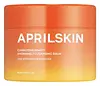
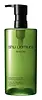
APRILSKIN Carrotene IPMP Hydromelt Cleansing Balm Versus Shu Uemura Anti/Oxi+ Pollutant & Dullness Clarifying Cleansing Oil -
This oil-based makeup remover is made to dissolve makeup, sunscreen, and daily buildup.
This oil-based makeup remover is made to dissolve makeup, sunscreen, and daily buildup.


What's inside
What's inside
 Key Ingredients
Benefits
Concerns
Ingredients Side-by-side
Ethylhexyl Palmitate
Emollient




Sorbeth-30 Tetraoleate
Emulsifying
Synthetic Wax
Abrasive
Dipentaerythrityl Hexa C5-9 Acid Esters
Skin ConditioningPolyglyceryl-6 Dicaprate
EmulsifyingGlycerin
Humectant


Sorbitol
Humectant
Citrus Aurantium Dulcis Flower Oil
Astringent
Litsea Cubeba Fruit Oil
Masking


Citrus Paradisi Peel Oil
Masking
Citrus Aurantium Bergamia Fruit Oil
Masking
Limonene
Perfuming
Helianthus Annuus Seed Oil
Emollient
Linalool
Perfuming
Sucrose Stearate
EmollientCaprylic/Capric Triglyceride
Masking
Glyceryl Stearate
Emollient
Mentha Viridis Leaf Oil
Astringent
Barosma Betulina Leaf Extract
Perfuming
Beta-Carotene
Skin ConditioningO-Cymen-5-Ol
Antimicrobial
Tocopherol
Antioxidant





Water
Skin ConditioningButylene Glycol
Humectant
Daucus Carota Sativa Root Water
Masking1,2-Hexanediol
Skin Conditioning
Daucus Carota Sativa Root Extract
Skin Conditioning
Daucus Carota Sativa Seed Oil
Emollient
Ethylhexyl Palmitate, Sorbeth-30 Tetraoleate, Synthetic Wax, Dipentaerythrityl Hexa C5-9 Acid Esters, Polyglyceryl-6 Dicaprate, Glycerin, Sorbitol, Citrus Aurantium Dulcis Flower Oil, Litsea Cubeba Fruit Oil, Citrus Paradisi Peel Oil, Citrus Aurantium Bergamia Fruit Oil, Limonene, Helianthus Annuus Seed Oil, Linalool, Sucrose Stearate, Caprylic/Capric Triglyceride, Glyceryl Stearate, Mentha Viridis Leaf Oil, Barosma Betulina Leaf Extract, Beta-Carotene, O-Cymen-5-Ol, Tocopherol, Water, Butylene Glycol, Daucus Carota Sativa Root Water, 1,2-Hexanediol, Daucus Carota Sativa Root Extract, Daucus Carota Sativa Seed Oil
Zea Mays Germ Oil
Emollient
Ethylhexyl Palmitate
Emollient
Isopropyl Myristate
Emollient
Caprylic/Capric Triglyceride
Masking
Polybutene
Polyglyceryl-10 Dioleate
Emulsifying
Polyglyceryl-6 Dicaprate
EmulsifyingPolyglyceryl-2 Oleate
Emulsifying
Tocopherol
Antioxidant
Limonene
Perfuming
Water
Skin ConditioningLinalool
Perfuming
Butylene Glycol
Humectant
Glycine Soja Oil
Emollient
Alcohol
Antimicrobial
Dicaprylyl Ether
Emollient
Dicaprylyl Carbonate
EmollientUndecane
EmollientTridecane
Perfuming
Camellia Sinensis Leaf Extract
Antimicrobial

Glyceryl Stearate Citrate
Emollient
Houttuynia Cordata Extract
Skin Conditioning
Helianthus Annuus Seed Oil
Emollient
Parfum
Masking
Zea Mays Germ Oil, Ethylhexyl Palmitate, Isopropyl Myristate, Caprylic/Capric Triglyceride, Polybutene, Polyglyceryl-10 Dioleate, Polyglyceryl-6 Dicaprate, Polyglyceryl-2 Oleate, Tocopherol, Limonene, Water, Linalool, Butylene Glycol, Glycine Soja Oil, Alcohol, Dicaprylyl Ether, Dicaprylyl Carbonate, Undecane, Tridecane, Camellia Sinensis Leaf Extract, Glyceryl Stearate Citrate, Houttuynia Cordata Extract, Helianthus Annuus Seed Oil, Parfum
Reviews
Ingredients Explained
These ingredients are found in both products.
Ingredients higher up in an ingredient list are typically present in a larger amount.
Butylene Glycol (or BG) is used within cosmetic products for a few different reasons:
Overall, Butylene Glycol is a safe and well-rounded ingredient that works well with other ingredients.
Though this ingredient works well with most skin types, some people with sensitive skin may experience a reaction such as allergic rashes, closed comedones, or itchiness.
Learn more about Butylene GlycolCaprylic/Capric Triglyceride (aka MCT Oil) is a lightweight emollient, solvent, and texture enhancer. It is considered a skin-softener by helping to prevent moisture loss.
Though it behaves like an oil, it is not technically one due to its chemical composition. One perk of this ingredient is that it is very stable, resistant to oxidation, and unlikely to go rancid.
In practice, that translates to a long shelf life and a consistently elegant skin feel.
While there is an assumption Caprylic Triglyceride can clog pores due to it being derived from coconut oil, there is no research supporting this. Just patch test if you have concerns.
Fractionated coconut oil and MCT Oil are both listed as Caprylic/Capric Triglyceride according to INCI. This is because INCI names are based on the ingredient’s final chemical composition and not its marketing name or source.
This ingredient is treated as the gold standard fungal acne safe oil. Even though it is coconut derived, the problematic lauric acid is stripped out.
This leaves just caprylic (C8) and capric (C10) acid. These chain lengths actually trend antifungal; a 2020 study found caprylic acid was enough to disrupt Malassezia furfur cell membrane, with a caprylic acid derivative damaging membrane structures at concentrations as low as 0.2%.
Learn more about Caprylic/Capric TriglycerideEthylhexyl Palmitate, also known as octyl palmitate, is created from 2-ethylhexyl alcohol and palmitic acid.
In cosmetics, it plays many roles:
One thing worth noting: a controlled study found this ingredient applied under occlusion to acne-prone subjects increased microcomedones. Just keep in mind this was under occlusive conditions and don't reflect how most products are used day-to-day.
For most people, this is a well-tolerated and lightweight ingredient.
This ingredient may not be fungal acne safe because it is an ester of palmitic acid, a C16 fatty acid that falls within the C11-24 range that Malassezia can metabolize.
You'll see this one rated 4 comedogenic all over the internet. That number isn't from a single study, and the actual research is more interesting.
The original rating comes from 1980s rabbit ear tests (which are a shaky basis for anything). But Ethylhexyl Palmitate is one of the few ingredients with real human data behind it. A 2021 controlled trial found this ingredient increased microcomedones by an average of 365% over four weeks.
Just know that test used the pure ingredient under an occlusive pad on back skin; most products use it at much lower levels alongside other ingredients and plenty of people use those with no issue.
Learn more about Ethylhexyl PalmitateHelianthus Annuus Seed Oil is a plant oil derived from the seeds of a sunflower.
It is rich in fatty acids, primarily linoleic acid and oleic acid. This gives it emollient and skin conditioning properties.
The reason this ingredient is so effective is because it forms a thin film on the skin that reduces transepidermal water loss (TEWL) while supplying linoleic acid to the stratum corneum to improve barrier strength.
The high linoleic acid content is particularly noteworthy for acne-prone skin.
Research suggests that acne-prone skin tends to be deficient in linoleic acid in sebum. Topical application may help replenish this to support a healthier follicular environment and less comedone-promoting sebum.
One randomized study found sunflower seed oil preserved skin barrier integrity in adult volunteers with and without atopic dermatitis (outperforming olive oil).
This ingredient is well-studied, gentle, and an effective emollient suitable for most skin types.
On fungal acne: This ingredient may not be Fungal acne (Malassezia folliculitis) safe. This is because it contains fatty acids with carbon chain lengths in the C11-C24 range.
Learn more about Helianthus Annuus Seed OilLimonene is the compound that gives citrus peel its smell.
In skincare, it shows up as a standalone fragrance ingredient or as a natural compound of citrus and other essential oils.
You'll typically see this ingredient used in very small amounts; anything above 0.001% in a leave-on product or 0.01% in a rinse-off has to be named on the label in the EU. The citrus oils that carry it sit around 0.5-1% in a finished formula.
Fresh limonene is a weak allergen; the real issue is that it slowly reacts with air and then breaks down from oxidation to create hydroperoxides (which are strong sensitizers). This is why suppliers are required to keep the peroxide value below 20 mmol.
Positive reactions in people being investigated for eczema vary:
It's worth skipping if you have a known fragrance allergy or a compromised barrier, but the risk is low for most people.
Older or long-opened products are also more likely to bother you than fresh ones due to oxidation.
Learn more about LimoneneLinalool is a small, naturally occurring scent molecule found in plants like lavender, coriander, bergamot, and more.
It is one of the two most-used fragrance ingredients in cosmetics and added purely for smell. Since it's not used for a skin benefit, there's no "effective dose". Concentration depends on the fragrance load of the product.
The EU requires it to be named on the label above 0.001% in leave-on and 0.01% in rinse-off products.
Fresh linalool is a weak sensitizer but air exposure turns some of it into hydroperoxides, which are strong sensitizers. Those oxidation products are the actual allergy concern.
Patch-test clinics see positive reactions to linalool hydroperoxides in about 4% to 12% of dermatitis patients depending on country and test concentration.
Resassuringly, one analytical study found hydroperoxide levels in real fragranced products to be orders of magnitude below what induced sensitization in animal studies with no evidence of oxidation building up during normal storage.
The practical takeaway is that linalool is fine for most people but worth avoiding if you have a confirmed fragrance contact allergy or a badly compromised barrier.
Products stored a long time after opening are also the high-risk scenario since that is when oxidation happens.
The scent of linalool is described as floral, spicy tropical, and citrus-like.
Learn more about LinaloolWe don't have a description for Polyglyceryl-6 Dicaprate yet.
Tocopherol is a fat-soluble antioxidant known as Vitamin E.
You'll find this ingredient in the vast majority of skincare (for good reason). It works to neutralize free radicals, or unstable molecules generated by UV exposure, pollution, and other environmental stressors, before they can cause oxidative damage to your skin cells.
Topically applied tocopherol has been shown to protect against UV damage by ramping up the skin's own natural defense enzymes.
It also acts as a skin conditioning agent; some studies show that regular topical use can improve the skin's water-binding capacity over 2-4 weeks.
This ingredient is especially loved for being a team player. When combined with Vitamin C, the photoprotective effect of both ingredients roughly doubles and the combo also helps reduce UV-induced DNA damage.
This ingredient has some brightening potential but it's more of a prevention ingredient than spot-fader. Cell studies show it can slow down melanin production but it's worth noting that it's not the most powerful brightener out there.
In formulations, it also serves as a stabilizer that helps protect other oxidation-prone ingredients from degrading.
Concentrations usually range from 0.1-1% in most leave-on products.
Learn more about TocopherolWater. It's the most common cosmetic ingredient of all. You'll usually see it at the top of ingredient lists, meaning that it makes up the largest part of the product.
So why is it so popular? Water most often acts as a solvent - this means that it helps dissolve other ingredients into the formulation.
You'll also recognize water as that liquid we all need to stay alive. If you see this, drink a glass of water. Remember to stay hydrated!
Learn more about Water

