This anti-aging eye moisturizer is formulated around Niacinamide and Tranexamic Acid to soften the look of wrinkles and fade the look of dark spots.
This anti-aging eye moisturizer is formulated around Niacinamide and Acetyl Hexapeptide-8 to soften the look of wrinkles.


What's inside
What's inside
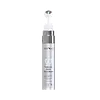 Key Ingredients
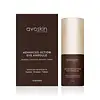
Benefits
Ingredients Side-by-side
Water
Skin ConditioningGlycerin
Humectant


Niacinamide
Smoothing









Tranexamic Acid
Astringent
Panthenol
Skin Conditioning
Hyaluronic Acid
Humectant
Sodium Acetylated Hyaluronate
Humectant
Sodium Hyaluronate
Humectant
Bacillus/Folic Acid Ferment Filtrate Extract
Antioxidant
Acetyl Hexapeptide-8
Humectant
Sh-Oligopeptide-1
Skin Conditioning
Sh-Oligopeptide-2
Skin Conditioning
Sh-Polypeptide-1
Skin Conditioning
Sh-Polypeptide-9
Skin Conditioning
Sh-Polypeptide-11
Sodium Hyaluronate Crosspolymer
Humectant
Hydroxypropyltrimonium Hyaluronate
Hydrolyzed Sodium Hyaluronate
Skin Conditioning
Hydrolyzed Hyaluronic Acid
Humectant
Inulin
Skin Conditioning
Camellia Sinensis Leaf Extract
Antimicrobial
Lecithin
Emollient
Inulin Lauryl Carbamate
Emulsion StabilisingAcrylates/C10-30 Alkyl Acrylate Crosspolymer
Emulsion StabilisingSodium PCA
Humectant
Caprylyl Glycol
Emollient
1,2-Hexanediol
Skin Conditioning
Fructose
Humectant
Stearyl Acetyl Glutamate
EmulsifyingPhenoxyethanol
Preservative
Ethylhexylglycerin
Skin ConditioningButylene Glycol
Humectant
Potassium Sorbate
Preservative
Water, Glycerin, Niacinamide, Tranexamic Acid, Panthenol, Hyaluronic Acid, Sodium Acetylated Hyaluronate, Sodium Hyaluronate, Bacillus/Folic Acid Ferment Filtrate Extract, Acetyl Hexapeptide-8, Sh-Oligopeptide-1, Sh-Oligopeptide-2, Sh-Polypeptide-1, Sh-Polypeptide-9, Sh-Polypeptide-11, Sodium Hyaluronate Crosspolymer, Hydroxypropyltrimonium Hyaluronate, Hydrolyzed Sodium Hyaluronate, Hydrolyzed Hyaluronic Acid, Inulin, Camellia Sinensis Leaf Extract, Lecithin, Inulin Lauryl Carbamate, Acrylates/C10-30 Alkyl Acrylate Crosspolymer, Sodium PCA, Caprylyl Glycol, 1,2-Hexanediol, Fructose, Stearyl Acetyl Glutamate, Phenoxyethanol, Ethylhexylglycerin, Butylene Glycol, Potassium Sorbate
Water
Skin ConditioningButylene Glycol
Humectant
Pullulan
Niacinamide
Smoothing
Propanediol
Solvent
Sodium Polyacrylate
Absorbent
1,2-Hexanediol
Skin Conditioning
Caprylhydroxamic Acid
ChelatingCucumis Sativus Fruit Extract
Emollient
Lactobacillus Ferment Lysate
Skin Conditioning
Camellia Sinensis Leaf Extract
Antimicrobial
Punica Granatum Extract
AstringentCaprylyl Glycol
Emollient
Sodium Hydroxide
BufferingLactobacillus Ferment
Skin Conditioning
Acetyl Tetrapeptide-5
Humectant
Caffeine
Skin Conditioning
Acetyl Hexapeptide-8
Humectant
Water, Butylene Glycol, Pullulan, Niacinamide, Propanediol, Sodium Polyacrylate, 1,2-Hexanediol, Caprylhydroxamic Acid, Cucumis Sativus Fruit Extract, Lactobacillus Ferment Lysate, Camellia Sinensis Leaf Extract, Punica Granatum Extract, Caprylyl Glycol, Sodium Hydroxide, Lactobacillus Ferment, Acetyl Tetrapeptide-5, Caffeine, Acetyl Hexapeptide-8
Ingredients Explained
These ingredients are found in both products.
Ingredients higher up in an ingredient list are typically present in a larger amount.
1,2-Hexanediol is a synthetic liquid and another multi-functional powerhouse.
It is a:
- Humectant, drawing moisture into the skin
- Emollient, helping to soften skin
- Solvent, dispersing and stabilizing formulas
- Preservative booster, enhancing the antimicrobial activity of other preservatives
Acetyl Hexapeptide-8 (also known as Argireline) is a synthetic hexapeptide that is often called a "topical Botox alternative".
It works by mimicking how Botox relaxes muscles; it interferes with the signaling process that tells your facial muscles to contract. This can help soften expression lines like forehead wrinkles or crow's feet over time.
The comparison to Botox does have limits because the molecule is water-loving and relatively large.
Acetyl Hexapeptide-8 has a hard time absorbing deeply enough through the skin's outer barrier to actually reach the muscles.
So whether it truly works the way Botox does at a biological level is still up for debate, but early clinical outcomes are fairly encouraging.
A 12 week human study of a multi-ingredient regimen containing this ingredient saw:
While some studies have observed improvements in wrinkle appearance, it is important to note that more consistent results are seen in multi-ingredient formulations (vs just Acetyl Hexapeptide-8 alone).
Some research studies also used higher concentrations (up to 10%) while this ingredient is usually found in concentrations up to 0.005% in leave-on formulations.
Learn more about Acetyl Hexapeptide-8Butylene Glycol (or BG) is used within cosmetic products for a few different reasons:
Overall, Butylene Glycol is a safe and well-rounded ingredient that works well with other ingredients.
Though this ingredient works well with most skin types, some people with sensitive skin may experience a reaction such as allergic rashes, closed comedones, or itchiness.
Learn more about Butylene GlycolCamellia Sinensis Leaf Extract (tea extract) is one of the most well-researched plant extracts in skincare with an impressive resume.
Black tea, green tea, and oolong tea are all harvested from the Camellia Sinensis plant.
Studies show green tea extract and its catechins (like epigallocatechin gallate (EGCG)) help your skin cells product energy more efficiently and reducing the number of free-radicals that can damage your skin from the inside.
In lab-grown skin models, this translated to younger, healthier, and stronger skin.
There's also good sun protection data; researchers saw less DNA damage and redness on human skin when green tea was applied before UVB exposure. And the more they applied, the better the protection.
Needless to say, this ingredient shouldn't replace your sunscreen. But it is a great supportive ingredient that you can already find in many sunscreens and antioxidant serums.
A 2009 study found a 2% green tea lotion was effective for mild-to-moderate acne thanks to its anti-inflammatory and mild antimicrobial activity.
The quality of the extract matters a lot here:
Good extracts contain 50-90% catechins while lower quality ones are mostly there for marketing. We recommend reaching out to the brand if you have questions about the quality or source of their ingredients.
Human Repeated Insult Patch Testing showed no irritation or sensitization at use concentrations (0.86% in leave-on products and up to 30% as leaf water).
Learn more about Camellia Sinensis Leaf ExtractCaprylyl Glycol is a humectant, skin conditioner, emollient, and preservative booster derived from either caprylic acid or synthetically created.
Typical use levels vary from 0.3-1% as a preservative booster and go up to 2% to condition skin.
Because it is not a free-fatty acid, this ingredient is fungal acne safe (there's nothing for Malassezia to feed on).
Learn more about Caprylyl GlycolNiacinamide is a multitasking form of vitamin B3 that strengthens the skin barrier, reduces pores and dark spots, regulates oil, and improves signs of aging.
And the best part? It's gentle and well-tolerated by most skin types, including sensitive and reactive skin.
You might have heard of "niacin flush", or the reddening of skin that causes itchiness. Niacinamide has not been found to cause this.
In very rare cases, some individuals may not be able to tolerate niacinamide at all or experience an allergic reaction to it.
If you are experiencing flaking, irritation, and dryness with this ingredient, be sure to double check all your products as this ingredient can be found in all categories of skincare.
When incorporating niacinamide into your routine, look out for concentration amounts. Typically, 5% niacinamide provides benefits such as fading dark spots. However, if you have sensitive skin, it is better to begin with a smaller concentration.
When you apply niacinamide to your skin, your body converts it into nicotinamide adenine dinucleotide (NAD). NAD is an essential coenzyme that is already found in your cells as "fuel" and powers countless biological processes.
In your skin, NAD helps repair cell damage, produce new healthy cells, support collagen production, strengthen the skin barrier, and fight environmental stressors (like UV and pollution).
Our natural NAD levels start to decline with age, leading to slower skin repair, visible aging, and a weaker skin barrier. By providing your skin niacinamide, you're recharging your skin's NAD levels. This leads to stronger, healthier, and younger looking skin.
Another name for vitamin B3 is nicotinamide. This vitamin is water-soluble and our bodies don't store it. We obtain Vitamin B3 from either food or skincare. Meat, fish, wheat, yeast, and leafy greens contain vitamin B3.
The type of niacinamide used in skincare is synthetically created.
Learn more about NiacinamideWater. It's the most common cosmetic ingredient of all. You'll usually see it at the top of ingredient lists, meaning that it makes up the largest part of the product.
So why is it so popular? Water most often acts as a solvent - this means that it helps dissolve other ingredients into the formulation.
You'll also recognize water as that liquid we all need to stay alive. If you see this, drink a glass of water. Remember to stay hydrated!
Learn more about Water

