
What's inside
What's inside
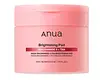 Key Ingredients
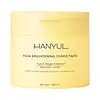
Benefits
Concerns
Ingredients Side-by-side
Water
Skin ConditioningMethylpropanediol
SolventNiacinamide 5%
Smoothing











Butylene Glycol
Humectant
Glycerin
Humectant
1,2-Hexanediol
Skin Conditioning
Ethylhexylglycerin
Skin ConditioningAdenosine
Skin Conditioning
Arginine
Masking
Carbomer
Emulsion StabilisingDisodium EDTA
Cyanocobalamin
Skin ConditioningBetaine Salicylate
Antimicrobial

Hydrolyzed Sodium Hyaluronate
Skin Conditioning
Madecassoside
Antioxidant
Tranexamic Acid
Astringent
Gluconolactone
Skin Conditioning
Portulaca Oleracea Extract
Skin Conditioning
Vitis Vinifera Seed Extract
Antimicrobial
Camellia Sasanqua Extract


Rice Ferment Filtrate
Skin Conditioning
Oligopeptide-2
Skin Conditioning
Polyglyceryl-10 Laurate
Skin Conditioning
Caprylyl Glycol
Emollient
Copper Tripeptide-1
Skin Conditioning
Hexapeptide-9
Skin Conditioning
Hexapeptide-11
Skin Conditioning
Palmitoyl Pentapeptide-4
Skin Conditioning
Palmitoyl Tripeptide-1
Skin Conditioning
Tripeptide-1
Skin Conditioning
Water, Methylpropanediol, Niacinamide 5%, Butylene Glycol, Glycerin, 1,2-Hexanediol, Ethylhexylglycerin, Adenosine, Arginine, Carbomer, Disodium EDTA, Cyanocobalamin, Betaine Salicylate, Hydrolyzed Sodium Hyaluronate, Madecassoside, Tranexamic Acid, Gluconolactone, Portulaca Oleracea Extract, Vitis Vinifera Seed Extract, Camellia Sasanqua Extract, Rice Ferment Filtrate, Oligopeptide-2, Polyglyceryl-10 Laurate, Caprylyl Glycol, Copper Tripeptide-1, Hexapeptide-9, Hexapeptide-11, Palmitoyl Pentapeptide-4, Palmitoyl Tripeptide-1, Tripeptide-1
Water
Skin ConditioningButylene Glycol
Humectant
Niacinamide
Smoothing
1,2-Hexanediol
Skin Conditioning
Propanediol
Solvent
Polyglyceryl-10 Laurate
Skin Conditioning
Ethylhexylglycerin
Skin Conditioning3-O-Ethyl Ascorbic Acid
Skin Conditioning
Adenosine
Skin Conditioning
Gardenia Florida Fruit Extract
Skin ConditioningXanthan Gum
EmulsifyingMaltodextrin
Absorbent
Limonene
Perfuming



Citric Acid
Buffering
Polyquaternium-51
Skin Conditioning
Citrus Junos Peel Oil
Astringent
Dextrin
AbsorbentSodium Phytate
Glucosyl Hesperidin
HumectantLactobacillus Ferment
Skin Conditioning
Bioflavonoids
Skin ConditioningLinalool
Perfuming
Ascorbic Acid
Antioxidant
Tranexamic Acid
Astringent
Pinus Strobus Bark Extract
Skin ConditioningTocopherol
Antioxidant
Citrus Junos Peel Extract
Skin ConditioningGlutathione
Water, Butylene Glycol, Niacinamide, 1,2-Hexanediol, Propanediol, Polyglyceryl-10 Laurate, Ethylhexylglycerin, 3-O-Ethyl Ascorbic Acid, Adenosine, Gardenia Florida Fruit Extract, Xanthan Gum, Maltodextrin, Limonene, Citric Acid, Polyquaternium-51, Citrus Junos Peel Oil, Dextrin, Sodium Phytate, Glucosyl Hesperidin, Lactobacillus Ferment, Bioflavonoids, Linalool, Ascorbic Acid, Tranexamic Acid, Pinus Strobus Bark Extract, Tocopherol, Citrus Junos Peel Extract, Glutathione
Reviews
Ingredients Explained
These ingredients are found in both products.
Ingredients higher up in an ingredient list are typically present in a larger amount.
1,2-Hexanediol is a synthetic liquid and another multi-functional powerhouse.
It is a:
- Humectant, drawing moisture into the skin
- Emollient, helping to soften skin
- Solvent, dispersing and stabilizing formulas
- Preservative booster, enhancing the antimicrobial activity of other preservatives
Adenosine is in every living organism. It is one of four components in nucleic acids that helps store our DNA.
Adenosine has many benefits when used. These benefits include hydrating the skin, smoothing skin, and reducing wrinkles. Once applied, adenosine increases collagen production. It also helps with improving firmness and tissue repair.
Studies have found adenosine may also help with wound healing.
In skincare products, Adenosine is usually derived from yeast.
Learn more about AdenosineButylene Glycol (or BG) is used within cosmetic products for a few different reasons:
Overall, Butylene Glycol is a safe and well-rounded ingredient that works well with other ingredients.
Though this ingredient works well with most skin types, some people with sensitive skin may experience a reaction such as allergic rashes, closed comedones, or itchiness.
Learn more about Butylene GlycolEthylhexylglycerin is created from glycerin. It is a multitasker ingredient that:
The CIR Expert Panel found minimal skin absorption or sensitization of any kind in a safety assessment. Though this ingredient is considered well-tolerated, a small number of cases of allergic dermatitis have been published since 2002. Just be sure to patch test if you are unsure.
Industry-reported use ranges from 8% in rinse-off products and 2% in leave-on formulations.
Learn more about EthylhexylglycerinNiacinamide is a multitasking form of vitamin B3 that strengthens the skin barrier, reduces pores and dark spots, regulates oil, and improves signs of aging.
And the best part? It's gentle and well-tolerated by most skin types, including sensitive and reactive skin.
You might have heard of "niacin flush", or the reddening of skin that causes itchiness. Niacinamide has not been found to cause this.
In very rare cases, some individuals may not be able to tolerate niacinamide at all or experience an allergic reaction to it.
If you are experiencing flaking, irritation, and dryness with this ingredient, be sure to double check all your products as this ingredient can be found in all categories of skincare.
When incorporating niacinamide into your routine, look out for concentration amounts. Typically, 5% niacinamide provides benefits such as fading dark spots. However, if you have sensitive skin, it is better to begin with a smaller concentration.
When you apply niacinamide to your skin, your body converts it into nicotinamide adenine dinucleotide (NAD). NAD is an essential coenzyme that is already found in your cells as "fuel" and powers countless biological processes.
In your skin, NAD helps repair cell damage, produce new healthy cells, support collagen production, strengthen the skin barrier, and fight environmental stressors (like UV and pollution).
Our natural NAD levels start to decline with age, leading to slower skin repair, visible aging, and a weaker skin barrier. By providing your skin niacinamide, you're recharging your skin's NAD levels. This leads to stronger, healthier, and younger looking skin.
Another name for vitamin B3 is nicotinamide. This vitamin is water-soluble and our bodies don't store it. We obtain Vitamin B3 from either food or skincare. Meat, fish, wheat, yeast, and leafy greens contain vitamin B3.
The type of niacinamide used in skincare is synthetically created.
Learn more about NiacinamidePolyglyceryl-10 Laurate is a cleansing agent and emulsifier.
It rounds up dirt, oil, and grime, so they can be rinsed off easily as a cleanser.
On the emulsifier side, it keeps your formula smooth and well-mixed by playing peacekeeper for ingredients that don't naturally get along (like oil and water).
Because it has a C12 (lauric acid) fatty acid chain, this ingredient can potentially feed the Malassezia yeast that causes fungal acne. The Malassezia yeast prefers esters with C11-C24 fatty acids.
This ingredient is an ester of lauric acid and Polyglycerin-10.
Learn more about Polyglyceryl-10 LaurateTranexamic Acid (TXA) is a synthetic lysine derivative that is becoming one of the most exciting brightening ingredients in skincare.
Originally used in medicine as an anti-hemorrhagic agent, its skin brightening potential was discovered by accident; patients taking it orally started noticing their melasma was fading.
Unlike most brighteners that target tyrosinase (the enzyme that synthesizes melanin), TXA works further upstream. It basically blocks your cells from receiving the signal to produce pigment.
This makes it one of the rare actives that works on three pathways at once:
This makes it effective for treating melasma, post-inflammatory hyperpigmentation (PIH), and sun-induced dark spots.
The most effective cosmetic concentration sits between 2-5% and going higher doesn't boost results.
Side effects are generally mild; occasional irritation, flaking, or dryness have been reported at the start of use. Overall, this ingredient is pretty well tolerated, even by sensitive skin types.
Another perk of this ingredient is that it does not cause photosensitivity, so it's safe to use in the AM and PM.
Learn more about Tranexamic AcidWater. It's the most common cosmetic ingredient of all. You'll usually see it at the top of ingredient lists, meaning that it makes up the largest part of the product.
So why is it so popular? Water most often acts as a solvent - this means that it helps dissolve other ingredients into the formulation.
You'll also recognize water as that liquid we all need to stay alive. If you see this, drink a glass of water. Remember to stay hydrated!
Learn more about Water
