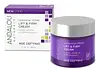
This anti-aging moisturizer is formulated around Sodium Hyaluronate and Resveratrol to soften the look of wrinkles and hydrate skin.
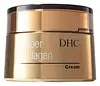
This moisturizer is formulated around Tremella Fuciformis Polysaccharide and Magnesium Ascorbyl Phosphate to hydrate skin.


What's inside
What's inside
 Key Ingredients
Benefits
Concerns
Ingredients Side-by-side
Aloe Barbadensis Leaf Juice
Skin Conditioning


Water
Skin ConditioningButyrospermum Parkii Butter
Skin Conditioning





Glyceryl Stearate
Emollient
Argania Spinosa Kernel Oil
Emollient


Simmondsia Chinensis Seed Oil
Emollient
Malus Domestica Fruit Cell Culture Extract
Skin ConditioningDimethylaminoethanol Tartrate
EmollientSodium Hyaluronate
Humectant

Tocopherol
Antioxidant


Resveratrol
Antioxidant
Ubiquinone
Antioxidant
Helianthus Annuus Seed Oil
Emollient
Panthenol
Skin Conditioning
Allantoin
Skin Conditioning
Magnesium Ascorbyl Phosphate
Antioxidant


Bisabolol
Antioxidant
Riboflavin
Cosmetic ColorantBorago Officinalis Seed Oil
Emollient
Oenothera Biennis Oil
Emollient
Camellia Sinensis Leaf Extract
Antimicrobial
Hibiscus Sabdariffa Flower Extract
Skin ConditioningPhenethyl Alcohol
MaskingEthylhexylglycerin
Skin ConditioningRubus Idaeus Fruit
AstringentEthyl Vanillate
Perfuming

Citrus Aurantium Dulcis Peel Oil
Masking
Aloe Barbadensis Leaf Juice, Water, Butyrospermum Parkii Butter, Glyceryl Stearate, Argania Spinosa Kernel Oil, Simmondsia Chinensis Seed Oil, Malus Domestica Fruit Cell Culture Extract, Dimethylaminoethanol Tartrate, Sodium Hyaluronate, Tocopherol, Resveratrol, Ubiquinone, Helianthus Annuus Seed Oil, Panthenol, Allantoin, Magnesium Ascorbyl Phosphate, Bisabolol, Riboflavin, Borago Officinalis Seed Oil, Oenothera Biennis Oil, Camellia Sinensis Leaf Extract, Hibiscus Sabdariffa Flower Extract, Phenethyl Alcohol, Ethylhexylglycerin, Rubus Idaeus Fruit, Ethyl Vanillate, Citrus Aurantium Dulcis Peel Oil
Water
Skin ConditioningButylene Glycol
Humectant
Glycerin
Humectant
Poly(1,2-Butanediol)-4 PEG/PPG-29/9 Methyl Glucose
Pentylene Glycol
Skin Conditioning
Phenoxyethanol
Preservative
Saccharide Isomerate
Humectant
Citric Acid
Buffering
Sodium Citrate
BufferingPEG-40 Hydrogenated Castor Oil
Emulsifying
Tremella Fuciformis Polysaccharide
Emulsion Stabilising
Glycogen
HumectantMagnesium Ascorbyl Phosphate
Antioxidant
Dipeptide-8
Skin Conditioning
Biosaccharide Gum-1
Humectant
Olea Europaea Fruit Oil
Masking
Grifola Frondosa Fruiting Body Extract
EmollientBrassica Napus Seed Oil
Emollient
Water, Butylene Glycol, Glycerin, Poly(1,2-Butanediol)-4 PEG/PPG-29/9 Methyl Glucose, Pentylene Glycol, Phenoxyethanol, Saccharide Isomerate, Citric Acid, Sodium Citrate, PEG-40 Hydrogenated Castor Oil, Tremella Fuciformis Polysaccharide, Glycogen, Magnesium Ascorbyl Phosphate, Dipeptide-8, Biosaccharide Gum-1, Olea Europaea Fruit Oil, Grifola Frondosa Fruiting Body Extract, Brassica Napus Seed Oil
Ingredients Explained
These ingredients are found in both products.
Ingredients higher up in an ingredient list are typically present in a larger amount.
Magnesium Ascorbyl Phosphate (MAP) is a water-soluble form of Vitamin C. It is used in skincare because it tends to be more formulation friendly than pure vitamin C (ascorbic acid).
According to research, MAP has three major benefits:
While MAP is gentler on the skin than ascorbic acid, it is thought to be less easily absorbed into the skin.
In a well-known absorption study, pure vitamin C increased skin vitamin C levels when formulated correctly, but derivatives like MAP did not in that experiment. This suggests MAP may not always convert into active vitamin C in the skin.
Due to MAP's stability up to a pH level of 7, it is more stable to air and sunlight exposure than ascorbic acid. The best pH range for MAP is between 5 and 6.
Learn more about Magnesium Ascorbyl PhosphateWater. It's the most common cosmetic ingredient of all. You'll usually see it at the top of ingredient lists, meaning that it makes up the largest part of the product.
So why is it so popular? Water most often acts as a solvent - this means that it helps dissolve other ingredients into the formulation.
You'll also recognize water as that liquid we all need to stay alive. If you see this, drink a glass of water. Remember to stay hydrated!
Learn more about Water

