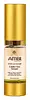
This brightening eye moisturizer is formulated around Hesperidin Methyl Chalcone and Palmitoyl Tetrapeptide-7 to fade the look of dark spots and soften the look of wrinkles.
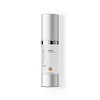
This anti-aging eye moisturizer is formulated around Retinyl Linoleate and Retinol to soften the look of wrinkles and fade the look of dark spots.

What's inside
What's inside
 Key Ingredients
Benefits
Concerns
Ingredients Side-by-side
Water
Skin ConditioningGlycerin
Humectant


Hesperidin Methyl Chalcone
Antioxidant

Steareth-20
CleansingDipeptide-2
Skin Conditioning

Palmitoyl Tetrapeptide-7
Skin Conditioning
Propanediol
Solvent
N-Hydroxysuccinimide
Skin ConditioningChrysin
Skin ConditioningPalmitoyl Tripeptide-1
Skin Conditioning
Hyaluronic Acid
Humectant
Retinyl Palmitate
Skin Conditioning




Camellia Sinensis Extract
Antioxidant

Glycyrrhiza Glabra Root Extract
Bleaching
Polysorbate 20
Emulsifying
Hydroxyethylcellulose
Emulsion StabilisingSodium Hydroxide
BufferingPotassium Sorbate
Preservative
Carbomer
Emulsion StabilisingMethylisothiazolinone
Preservative

Water, Glycerin, Hesperidin Methyl Chalcone, Steareth-20, Dipeptide-2, Palmitoyl Tetrapeptide-7, Propanediol, N-Hydroxysuccinimide, Chrysin, Palmitoyl Tripeptide-1, Hyaluronic Acid, Retinyl Palmitate, Camellia Sinensis Extract, Glycyrrhiza Glabra Root Extract, Polysorbate 20, Hydroxyethylcellulose, Sodium Hydroxide, Potassium Sorbate, Carbomer, Methylisothiazolinone
Water
Skin ConditioningCocoglycerides
Emollient
Polyacrylamide
Glyceryl Stearate Se
Emulsifying

Cetyl Phosphate
EmulsifyingRetinyl Linoleate
Skin Conditioning
Lysophosphatidic Acid
Skin Conditioning
Myristoyl Nonapeptide-3
Skin Conditioning
Myristoyl Pentapeptide-17
Skin Conditioning
Retinol
Skin Conditioning
Safflower Acid
CleansingTocopheryl Acetate
Antioxidant
Retinyl Palmitate
Skin Conditioning
Lysolecithin
EmulsifyingPolyglyceryl-10 Laurate
Skin Conditioning
Carthamus Tinctorius Flower
MaskingAcetyl Carboxymethyl Cocoyl Glycine
Chelating
Citric Acid
Buffering
Ascorbyl Linoleate
Antioxidant
Polyglyceryl-3 Polyricinoleate
Emulsifying
Polyglyceryl-5 Oleate
Emulsifying
Ethyl Macadamiate
Skin Conditioning
Steareth-20
CleansingN-Hydroxysuccinimide
Skin ConditioningChrysin
Skin ConditioningPalmitoyl Tripeptide-1
Skin Conditioning
Palmitoyl Tetrapeptide-7
Skin Conditioning
Hydrolyzed Hyaluronic Acid
Humectant
Caffeine
Skin Conditioning
Phytonadione
Tocopherol
Antioxidant
Oleyl Linoleate
EmollientMicrococcus Lysate
Skin ConditioningLecithin
Emollient
Plankton Extract
Skin ConditioningGlycerin
Humectant
Hesperidin Methyl Chalcone
Antioxidant
Dipeptide-2
Skin Conditioning
Cetearyl Alcohol
Emollient
Cetearyl Glucoside
Emulsifying
Carbomer
Emulsion StabilisingCaprylyl Glycol
Emollient
Phenoxyethanol
Preservative
Sodium Hydroxide
BufferingWater, Cocoglycerides, Polyacrylamide, Glyceryl Stearate Se, Cetyl Phosphate, Retinyl Linoleate, Lysophosphatidic Acid, Myristoyl Nonapeptide-3, Myristoyl Pentapeptide-17, Retinol, Safflower Acid, Tocopheryl Acetate, Retinyl Palmitate, Lysolecithin, Polyglyceryl-10 Laurate, Carthamus Tinctorius Flower, Acetyl Carboxymethyl Cocoyl Glycine, Citric Acid, Ascorbyl Linoleate, Polyglyceryl-3 Polyricinoleate, Polyglyceryl-5 Oleate, Ethyl Macadamiate, Steareth-20, N-Hydroxysuccinimide, Chrysin, Palmitoyl Tripeptide-1, Palmitoyl Tetrapeptide-7, Hydrolyzed Hyaluronic Acid, Caffeine, Phytonadione, Tocopherol, Oleyl Linoleate, Micrococcus Lysate, Lecithin, Plankton Extract, Glycerin, Hesperidin Methyl Chalcone, Dipeptide-2, Cetearyl Alcohol, Cetearyl Glucoside, Carbomer, Caprylyl Glycol, Phenoxyethanol, Sodium Hydroxide
Ingredients Explained
These ingredients are found in both products.
Ingredients higher up in an ingredient list are typically present in a larger amount.
Carbomer is a synthetic thickening and gelling agent. It's basically the ingredient that gives a lot of serums, gels, creams, and sunscreens their smooth, non-sticky texture.
Although legally permitted at very high levels, carbomers are normally used at concentrations below 1%.
It also needs to be neutralized to actually thicken, and because it is a large molecule, it doesn't really penetrate the skin barrier.
Allergy-wise, the risk is very low. Clinical studies show carbomers have low potential for skin irritation/sensitization even at concentrations up to 100%.
A 2024 UK study patch-tested 1,302 patients and found true allergy to the parent group of carbomer to be rare with no confirmed relevant reactions.
Learn more about CarbomerWe don't have a description for Chrysin yet.
Dipeptide-2 is a peptide. It can help to reduce the effects of aging.
Glycerin (or glycerol) is a compound naturally found in your skin. It's a powerhouse humectant that pulls water into the stratum corneum.
Topically, glycerin does several things at once:
Your skin makes glycerin on its own (mostly from sebaceous oil breakdown) and shuttles it to your outermost layer of skin, or your epidermis, via aquaporin-3.
Aquaporin-3 is a transporter that is essential for normal skin hydration, elasticity, and repair. Interestingly, mice lacking in AQP3 have dry and less elastic skin that can be fully corrected with glycerin.
This ingredient is non-irritating, plays well with almost every ingredient, and works across all skin types. Typical use is anywhere between 3-10% but can go up to 79% in some leave-on products.
Just know very high concentrations (>40%) can feel tacky in low humidity.
Glycerin is the name for this ingredient in American English. British English uses Glycerol/Glycerine.
Learn more about GlycerinHesperidin Methyl Chalcone (HMC) is a modified form of hesperidin, a citrus flavonoid. It has antioxidant properties.
In preclinical research, HMC has been studied for its ability to reduce oxidative stress and inflammation related to UVB exposure. Outside of cosmetics, HMC has been looked at for its effects on capillary leakage and swelling. This is why you'll often see this ingredient in eye creams.
Overall, HMC is a gentle and supportive ingredient. Further research is needed on the claims that this ingredient can "erase dark circles".
Learn more about Hesperidin Methyl ChalconeWe don't have a description for N-Hydroxysuccinimide yet.
Palmitoyl Tetrapeptide-7 (formerly Palmitoyl Tetrapeptide-3) is a synthetic peptide. Its main job is to fight what researchers call "inflammaging".
"Inflammaging" is the slow, low-grade chronic inflammation that quietly breaks down collagen as we age.
This ingredient calms down a specific inflammation signal in your skin cells (called IL-6). When left unchecked, this signal triggers enzymes that break down collagen and elastin.
Clinical testing showed statistically significant improvements in:
Studies also found the more of this ingredient used, the more your skin produces Collagen I, fibronectin, and hyaluronic acid.
You'll likely see this ingredient paired with Palmitoyl Tripeptide-1 in the well-known Matrixyl 3000 complex for enhanced anti-aging effects.
A 3% concentration applied twice daily for two months showed meaningful skin rejuvenation results in clinical panels.
Fungal acne note:
Usually a palmitic acid component can feed Malassezia in unbound form, but here is is covalently bonded to the peptide. This means it is very difficult for Malassezia to access, and therefore very unlikely to cause fungal acne.
Palmitoyl Tripeptide-1 (aka Pal-GHK) is a synthetic signal peptide made of three amino acids attached to palmitic acid.
That fatty acid attachment is the key: it boosts the peptide's ability to penetrate the skin barrier. This puts it closer to the dermal cells where it can actually make a difference.
Once there, it acts as a matrikine, a signaling peptide that prompts fibroblasts to produce more collagen, fibronectin, and hyaluronic acid.
In vitro studies show it can boost collagen production in skin cells even when UV-damaged skin samples were treated with it at a tiny concentration (it almost fully restored dermal collagen at 5ppm). It achieved this at 100x lower concentration than retinoic acid, which needed 500 ppm to do the same thing.
Human clinical data is promising, but modest:
A study of 23 female volunteers found a small but statistically significant increase (~4%) in skin thickness after treatment at 4 ppm.
A separate small trial of 15 women showed statistically significant reductions in wrinkle length, depth, and skin roughness after applying it twice daily for four weeks.
You'll likely see Pal-GHK paired with Palmitoyl Tetrapeptide-7 as part of the Matrixyl 3000 complex.
Fungal acne note:
Usually a palmitic acid component can feed Malassezia in unbound form, but here is is covalently bonded to the peptide. This means it is very difficult for Malassezia to access, and therefore very unlikely to cause fungal acne.
Retinyl Palmitate is a form of retinoid. Retinoids are the superstar class of anti-aging ingredients that include Tretinoin and Retinol.
This particular ingredient has had a bumpy year with its rise and fall in popularity.
First, Retinyl Palmitate is created from Palmitic Acid and Retinol. It is a Retinol ester and considered one of the weaker forms of retinoid.
This is because all retinoids have to be converted to Tretinoin, AKA Retinoic Acid.
Retinyl Palmitate is pretty far down the line and has to go through multiple conversions before its effects are seen. Once it's on your skin, enzymes called esterases convert it into Retinol, then into Retinal, and finally into Retinoic Acid; that's three steps with a little lost at each one.
The benefits of Retinyl Palmitate are debated due to this long and ineffective conversion line.
So why use it at all?
The answer is stability. Retinol and Retinoic Acid break down fast when they hit light, heat, and air, and Retinoic Acid can be pretty irritating on top of that.
Retinyl Palmitate is much more stable and gentler, making it easier to formulate with and easier on sensitive skin (even if it's weaker gram for gram).
Studies show Retinyl Palmitate to help:
Newer research from 2023-2025 also found that Retinyl Palmitate works especially well when paired with Retinol. The two seem to cover each other's weak spots; retinol brings the potency while Retinyl Palmitate brings the stability and gentleness. Together, they repair UV damage better than either one does alone.
This ingredient used to be found in sunscreens to boost the efficacy of sunscreen filters.
The downfall of Retinyl Palmitate was due to released reports about the ingredient being correlated to sun damage and skin tumors.
Most of this traces back to a 2012 US National Toxicology Program (NTP) study where hairless mice coated in Retinyl Palmitate cream and exposed to UV light developed skin tumors faster.
Here's the nuance, though.
When the Cosmetic Ingredient Review (CIR) Expert Panel went back through that study, they found methodological flaws and decided the results couldn't be interpreted as proof of extra risk.
The EU's Scientific Committee on Consumer Safety (SCCS) said the mouse findings might point to a concern but they're hard to apply to humans since hairless mouse skin and human skin behave differently.
While there is a study showing this ingredient to cause DNA damage when exposed to UVA, there is no concrete proof of it being linked to skin cancer. It is completely safe to use when used correctly.
Both the CIR and the SCCS consider it safe at the concentrations used in cosmetics; the SCCS specifically cleared retinoids up to 0.05% in body lotions and 0.3% in face creams, hand creams, and rinse-off products.
As of 2025, the EU has written those limits into law, plus a label warning about your total Vitamin A intake from all sources.
All retinoids increase your skin's sensitivity to the sun in the first few months of usage. Be especially careful with reapplying sunscreen when using any form of retinoid.
One more note: if you're pregnant, high doses of Vitamin A can be a concern, so a lot of people skip topical retinoids (including Retinyl Palmitate) during pregnancy just to be safe. Check with your doctor if you're unsure.
Fun fact: This ingredient is often added to low-fat milk to increase the levels of Vitamin A.
Learn more about Retinyl PalmitateSodium Hydroxide is also known as lye or caustic soda. It is used to adjust the pH of products; many ingredients require a specific pH to be effective.
In small amounts, sodium hydroxide is considered safe to use. However, large amounts may cause chemical burns due to its high alkaline.
Your skin has a natural pH and acid mantle. This acid mantle helps prevent harmful bacteria from breaking through. The acid mantle also helps keep your skin hydrated.
"Alkaline" refers to a high pH level. A low pH level would be considered acidic.
Learn more about Sodium HydroxideSteareth-20 is an emulsifier and solubilizer. It is created from stearyl alcohol with ~20 units of ethylene oxide to give it a strong preference for water.
As an emulsifier, it helps oil-in-water emulsions like lotions, creams, and cleansers stay stable. It also solubilizes small amounts of oil-loving ingredients (like fragrance) into water-based formulas.
You'll likely find this ingredient with steareth-2 (it's oil-loving sister) where the two work together to give products a cushiony feel.
Typical use levels sit at around 1-5% and this ingredient has been found to be non-irritating by the CIR Expert Panel.
Learn more about Steareth-20Water. It's the most common cosmetic ingredient of all. You'll usually see it at the top of ingredient lists, meaning that it makes up the largest part of the product.
So why is it so popular? Water most often acts as a solvent - this means that it helps dissolve other ingredients into the formulation.
You'll also recognize water as that liquid we all need to stay alive. If you see this, drink a glass of water. Remember to stay hydrated!
Learn more about Water

