Advanced Clinicals Collagen Skin Rescue Lotion Versus Advanced Clinicals Bulgarian Rose Anti-Aging Rescue Cream
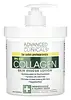
This hydrating body lotion is formulated around Aloe Barbadensis Leaf Juice and Camellia Sinensis Leaf Extract to hydrate skin and calm redness.
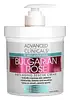
This hydrating body lotion is formulated around Aloe Barbadensis Leaf Juice and Centella Asiatica Extract to hydrate skin and calm redness.

What's inside
What's inside
 Key Ingredients
Benefits
Concerns
Ingredients Side-by-side
Water
Skin ConditioningParaffinum Liquidum
Emollient


Cetearyl Alcohol
Emollient





Glyceryl Stearate Se
Emulsifying
Isopropyl Myristate
Emollient
Glycerin
Humectant


Butylene Glycol
Humectant
Ceteareth-20
Cleansing
Caprylic/Capric Triglyceride
Masking
Hydrolyzed Collagen
Emollient
Aloe Barbadensis Leaf Juice
Skin Conditioning

Camellia Sinensis Leaf Extract
Antimicrobial



Anthemis Nobilis Flower Extract
Masking
Acrylates/C10-30 Alkyl Acrylate Crosspolymer
Emulsion StabilisingTetrasodium Glutamate Diacetate
ChelatingMaltodextrin
Absorbent
Phenoxyethanol
Preservative
Iodopropynyl Butylcarbamate
Preservative
Caprylyl Glycol
Emollient
Sodium Hydroxide
BufferingSodium Carbonate
BufferingSodium Chloride
MaskingWater, Paraffinum Liquidum, Cetearyl Alcohol, Glyceryl Stearate Se, Isopropyl Myristate, Glycerin, Butylene Glycol, Ceteareth-20, Caprylic/Capric Triglyceride, Hydrolyzed Collagen, Aloe Barbadensis Leaf Juice, Camellia Sinensis Leaf Extract, Anthemis Nobilis Flower Extract, Acrylates/C10-30 Alkyl Acrylate Crosspolymer, Tetrasodium Glutamate Diacetate, Maltodextrin, Phenoxyethanol, Iodopropynyl Butylcarbamate, Caprylyl Glycol, Sodium Hydroxide, Sodium Carbonate, Sodium Chloride
Water
Skin ConditioningParaffinum Liquidum
Emollient
Cetearyl Alcohol
Emollient
Glyceryl Stearate Se
Emulsifying
Isopropyl Myristate
Emollient
Aloe Barbadensis Leaf Juice
Skin Conditioning
Glycerin
Humectant
Butylene Glycol
Humectant
Ceteareth-20
Cleansing
Caprylic/Capric Triglyceride
Masking
Rosa Damascena Flower Extract
Masking
Centella Asiatica Extract
Cleansing
Camellia Sinensis Leaf Extract
Antimicrobial
Carrageenan
Persea Gratissima Oil
Skin Conditioning
Sea Salt
Abrasive
Disodium EDTA
ChelatingAcrylates/C10-30 Alkyl Acrylate Crosspolymer
Emulsion StabilisingTocopheryl Acetate
Antioxidant
Phenoxyethanol
Preservative
Parfum
Masking
Iodopropynyl Butylcarbamate
Preservative
Caprylyl Glycol
Emollient
Sodium Hydroxide
BufferingWater, Paraffinum Liquidum, Cetearyl Alcohol, Glyceryl Stearate Se, Isopropyl Myristate, Aloe Barbadensis Leaf Juice, Glycerin, Butylene Glycol, Ceteareth-20, Caprylic/Capric Triglyceride, Rosa Damascena Flower Extract, Centella Asiatica Extract, Camellia Sinensis Leaf Extract, Carrageenan, Persea Gratissima Oil, Sea Salt, Disodium EDTA, Acrylates/C10-30 Alkyl Acrylate Crosspolymer, Tocopheryl Acetate, Phenoxyethanol, Parfum, Iodopropynyl Butylcarbamate, Caprylyl Glycol, Sodium Hydroxide
Reviews
Ingredients Explained
These ingredients are found in both products.
Ingredients higher up in an ingredient list are typically present in a larger amount.
Acrylates/C10-30 Alkyl Acrylate Crosspolymer is a synthetic polymer. It is used to thicken, emulsify, and improve the texture of products.
As an emulsifier, it helps stabilize oil-in-water emulsions to give products an elegant feel when applied.
It can also form a thin protective film on skin. One study found that a formula using this polymer helped slow down how quickly other ingredients (like DEET) were absorbed through skin.
A 2024 study of over 1,300 patients confirmed that sensitization to this ingredient is rare. It is also non-mutagenic and has a clean track record.
Learn more about Acrylates/C10-30 Alkyl Acrylate CrosspolymerAloe Barbadensis Leaf Juice is the filtered, stabilized liquid pressed from the inner gel of the aloe vera leaf.
In cosmetics, it shows up as either soothing active or a water-replacement base. It is roughly 98-99% water and the last 1-2% is an interesting mix of polysaccharides, amino acids, vitamins, minerals, and enzymes.
The polysaccharides do most of the work: they bind water at the skin surface for a light, non-greasy hydration boost. And one of the polysaccharides, glycomannan, is linked to fibroblast stimulation + collagen synthesis. This is also why aloe has such a long track record in wound and burn healing.
This ingredient is also calming with anti-inflammatory and mild antimicrobial activity, making it a great pick for sensitive, irritated, or post-sun skin.
Realistic expectations matter though; the solid evidence is mostly limited to hydration, soothing, and wound support. Deeper claims about anti-aging or sun protection are not well backed, and science reviews note it does not prevent radiation-induced skin injury.
Because it plays well with almost everything, it's commonly used as a base alongside other actives like niacinamide or vitamin C.
Typical usage concentrations range from 0.5% (where hydration benefits already show up) all the way to 90%+ (where it replaces water as the main base).
The safety for this ingredient is well-establish as well. Overall, this is a great supporting ingredient for those who want a boost in hydration.
Learn more about Aloe Barbadensis Leaf JuiceButylene Glycol (or BG) is used within cosmetic products for a few different reasons:
Overall, Butylene Glycol is a safe and well-rounded ingredient that works well with other ingredients.
Though this ingredient works well with most skin types, some people with sensitive skin may experience a reaction such as allergic rashes, closed comedones, or itchiness.
Learn more about Butylene GlycolCamellia Sinensis Leaf Extract (tea extract) is one of the most well-researched plant extracts in skincare with an impressive resume.
Black tea, green tea, and oolong tea are all harvested from the Camellia Sinensis plant.
Studies show green tea extract and its catechins (like epigallocatechin gallate (EGCG)) help your skin cells product energy more efficiently and reducing the number of free-radicals that can damage your skin from the inside.
In lab-grown skin models, this translated to younger, healthier, and stronger skin.
There's also good sun protection data; researchers saw less DNA damage and redness on human skin when green tea was applied before UVB exposure. And the more they applied, the better the protection.
Needless to say, this ingredient shouldn't replace your sunscreen. But it is a great supportive ingredient that you can already find in many sunscreens and antioxidant serums.
A 2009 study found a 2% green tea lotion was effective for mild-to-moderate acne thanks to its anti-inflammatory and mild antimicrobial activity.
The quality of the extract matters a lot here:
Good extracts contain 50-90% catechins while lower quality ones are mostly there for marketing. We recommend reaching out to the brand if you have questions about the quality or source of their ingredients.
Human Repeated Insult Patch Testing showed no irritation or sensitization at use concentrations (0.86% in leave-on products and up to 30% as leaf water).
Learn more about Camellia Sinensis Leaf ExtractCaprylic/Capric Triglyceride (aka MCT Oil) is a lightweight emollient, solvent, and texture enhancer. It is considered a skin-softener by helping to prevent moisture loss.
Though it behaves like an oil, it is not technically one due to its chemical composition. One perk of this ingredient is that it is very stable, resistant to oxidation, and unlikely to go rancid.
In practice, that translates to a long shelf life and a consistently elegant skin feel.
While there is an assumption Caprylic Triglyceride can clog pores due to it being derived from coconut oil, there is no research supporting this. Just patch test if you have concerns.
Fractionated coconut oil and MCT Oil are both listed as Caprylic/Capric Triglyceride according to INCI. This is because INCI names are based on the ingredient’s final chemical composition and not its marketing name or source.
This ingredient is treated as the gold standard fungal acne safe oil. Even though it is coconut derived, the problematic lauric acid is stripped out.
This leaves just caprylic (C8) and capric (C10) acid. These chain lengths actually trend antifungal; a 2020 study found caprylic acid was enough to disrupt Malassezia furfur cell membrane, with a caprylic acid derivative damaging membrane structures at concentrations as low as 0.2%.
Learn more about Caprylic/Capric TriglycerideCaprylyl Glycol is a humectant, skin conditioner, emollient, and preservative booster derived from either caprylic acid or synthetically created.
Typical use levels vary from 0.3-1% as a preservative booster and go up to 2% to condition skin.
Because it is not a free-fatty acid, this ingredient is fungal acne safe (there's nothing for Malassezia to feed on).
Learn more about Caprylyl GlycolCeteareth-20 is an emulsifier and surfactant made by reacting cetearyl alcohol with 20 moles of ethylene oxide.
This gives it both oil and water-loving properties that makes it an effect emulsifier; it's really great at pulling oil droplets into water to create a stable, creamy, and easy-to-spread base.
Typical use ranges from 0.5-30%. Most leave-on products are in the 1-10% zone.
The 20 ethylene oxide units is well above the PEG-10 threshold and therefore not a food source for Malassezia (it's fungal acne safe).
This ingredient has a comedogenic rating of 2 and an irritancy rating of 3. These numbers come from testing the raw ingredient on rabbit ears and doesn't reflect how it will behave in a finished product.
In practice, this ingredient is a well-tolerated ingredient. The ratings reflect cautious lab conditions and not real-world use. Just be sure to patch test any formulas you feel unsure about.
Learn more about Ceteareth-20Cetearyl alcohol is a waxy mixture of two fatty alcohols: cetyl alcohol and stearyl alcohol. It is an emollient and emulsifier.
Despite having "alcohol" in its name, it has nothing to do with drying solvent alcohols; the FDA also allows "alcohol-free" products to contain fatty alcohols like this ingredient.
It plays several roles in a formula:
Typical use levels for this ingredient sit around 1-10% and the Cosmetic Ingredient Review Expert Panel has affirmed safety at concentrations up to 25% in leave-on products.
Multiple assessments have found it to be non-irritating and non-sensitizing to most people.
However, there have been some cases of allergic contact dermatitis in patients with chronically compromised skin barriers.
Cetearyl alcohol has a comedogenic rating of 2 and irritancy rating of 1. Both of these numbers come from the 1989 study that used rabbit ears; a "2" means mildly comedogenic and a "1" means low irritancy.
Here's the catch: rabbit skin is more sensitive than human skin and throws a lot of false positives. A 1996 reappraisal found that ingredients rated 1-2 in the rabbit ear tests are generally safe for humans.
Remember comedogenic ratings are unable to assess the entire formula of a product or how it will react on your skin. Just be sure to patch test if you are unsure about certain ingredients.
This ingredient is not fungal acne safe. Cetearyl alcohol is a fatty alcohol with chain lengths that fall within the range that Malassezia can metabolize.
A 2019 study has also observed Malassezia growth in the presence of this ingredient, confirming it to be not-fungal acne safe.
Learn more about Cetearyl AlcoholGlycerin (or glycerol) is a compound naturally found in your skin. It's a powerhouse humectant that pulls water into the stratum corneum.
Topically, glycerin does several things at once:
Your skin makes glycerin on its own (mostly from sebaceous oil breakdown) and shuttles it to your outermost layer of skin, or your epidermis, via aquaporin-3.
Aquaporin-3 is a transporter that is essential for normal skin hydration, elasticity, and repair. Interestingly, mice lacking in AQP3 have dry and less elastic skin that can be fully corrected with glycerin.
This ingredient is non-irritating, plays well with almost every ingredient, and works across all skin types. Typical use is anywhere between 3-10% but can go up to 79% in some leave-on products.
Just know very high concentrations (>40%) can feel tacky in low humidity.
Glycerin is the name for this ingredient in American English. British English uses Glycerol/Glycerine.
Learn more about GlycerinGlyceryl Stearate SE is a self-emulsifying (SE) form of Glyceryl Stearate. It comes with a small amount of soap (usually potassium or sodium stearate) that gives it the "SE" part.
That soap lets it pull oil and water together on its own which is why it shows up as an emulsifier, thickener, and emollient.
Industry survey data shows this ingredient is used around 1-5% but Glyceryl Stearate goes as high at 17% in a leave-on deodorant.
Safety-wise, it's pretty boring: it's been deemed safe for topical use in 1982 and again most recently in 2021 by the CIR. Human repeat insult patch tests come back non-irritating, non-sensitizing, non-phototoxic, and non-photoallergenic.
This ingredient does carry a comedogenic rating of 3 from the old rabbit-ear assay. Just remember testing finished products in humans showed that formulas built with "comedogenic" ingredients are not necessarily comedogenic themselves. It's worth patch testing if you're breakout prone, and always listen to your skin.
The Malassezia yeast can potentially metabolize the stearic acid in this ingredient, so it may not be fungal acne safe.
Allergy is rare: a 310-patient patch test study of common emulsifiers found this ingredient was not a meaningful reactor. Isolated case reports do exist so a true contact allergy is possible but uncommon.
Learn more about Glyceryl Stearate SeIodopropynyl Butylcarbamate (IPBC) is a preservative that is especially good at getting fungi and mold out of your cosmetics.
IPBC works by leveraging the antimicrobial properties of its iodine containing structure. Iodine has been used as a germicide since the late 1800s and IPBC is a more refined and stable derivative of it.
It is typically used at very low levels in cosmetics, with most formulations using 0.0125% or less (well below its approved maximum).
In the EU, IPBC concentration limits are set at 0.02% in rinse-off products and 0.01% in leave-on products.
Though IPBC is a relatively uncommon contact allergen, patch testing studies show positive reaction rates ranging from 0.3%-0.9% of patients tested. This is still quite low compared to preservatives like methylisothiazolinone which sits at around 4-5%.
Researchers note that existing iodine sensitives or rubber allergies may be the cause of this as IPBC shares a structure with both thiuram (used in rubber) and iodine.
Be sure to patch test if you are unsure and speak with a medical professional about using this ingredient.
Learn more about Iodopropynyl ButylcarbamateIsopropyl Myristate is an ester made by combining isopropyl alcohol with myristic acid.
It is primarily an emollient and penetration enhancer that gives products a lightweight, silky feel without the heaviness of oils.
This ingredient is generally considered non-toxic, non-irritating, and has low absorption potential.
This ingredient does have a comedogenic rating of 3-5, but this doesn't mean a formula with this ingredient will clog pores.
Dermatologist Dr. Zoe Draelos has also confirmed in a peer-reviewed paper that products containing comedogenic ingredients are not necessarily comedogenic themselves.
A small subset of people (~2%) may experience contact sensitivity so patch testing is a reasonable idea if you have reactive skin.
Since this ingredient is an ester of myristic acid (a C14 fatty acid), it falls within the carbon chain range that is known to feed Malassezia. This ingredient may not be fungal acne safe.
Learn more about Isopropyl MyristateParaffinum Liquidum is a highly-refined cosmetic-grade mineral oil. It is also known as liquid paraffin.
Despite its controversial reputation, the science is pretty clear: it's one of the most well-studied and effective moisturizing ingredients out there.
As an occlusive, it forms a protective layer on the skin that locks in moisture and prevents transepidermal water loss (TEWL). This makes it especially great for compromised skin barriers.
The "it clogs your pores" myth has been around for decades; a study found that industrial-grade mineral oil may be comedogenic but cosmetic-grade mineral oil is not (these two are very, very different).
A 2017 review concluded that cosmetic use of mineral oils and waxes does not present a risk to consumers due to absorption.
Mineral oil got a bad rap from the old rabbit ear studies. When tested on actual human skin, cosmetic-grade mineral oil showed no comedogenic activity. The rating of 0 is a correction of outdated science.
Mineral oil is an inert substance with no fatty acids so there's nothing to feed Malassezia. This ingredient is fungal acne safe.
Learn more about Paraffinum LiquidumPhenoxyethanol is one of the most widely used preservatives in skincare (and for good reason!).
It has a large spectrum of antimicrobial activity and especially effective bacteria, yeast, and mold while only having a weak effect on your skin's natural microbiome.
On a cellular level, it disrupts the cell membranes of microbes by poking holes that make the cell leak. This shuts down the chemical reactions the microbe needs to make energy so it can no longer survive.
Another perk of this ingredient is that it stays functional across a wide pH range (3-10).
You'll often see it paired with boosters like Ethylhexylglycerin; one study showed that a 1:9 ratio of Ethylhexylglycerin to Phenoxyethanol damages bacterial membranes as effectively as doubling the Phenoxyethanol concentration on its own.
Typical use concentrations range from 0.3-1% depending on the formula, and this ingredient is capped at 1% int the EU.
Safety-wise, the fear mongering does not hold up to the evidence. The EU's Scientific Committee on Consumer Safety and FDA consider it safe as a preservative at up to 1%, including for children of all ages.
Adverse systemic effects only showed up in animal studies at exposures roughly 200x higher than what people get from cosmetics. And despite its very widespread use, this ingredient is a rare sensitizer and allergic reactions are uncommon.
Learn more about PhenoxyethanolSodium Hydroxide is also known as lye or caustic soda. It is used to adjust the pH of products; many ingredients require a specific pH to be effective.
In small amounts, sodium hydroxide is considered safe to use. However, large amounts may cause chemical burns due to its high alkaline.
Your skin has a natural pH and acid mantle. This acid mantle helps prevent harmful bacteria from breaking through. The acid mantle also helps keep your skin hydrated.
"Alkaline" refers to a high pH level. A low pH level would be considered acidic.
Learn more about Sodium HydroxideWater. It's the most common cosmetic ingredient of all. You'll usually see it at the top of ingredient lists, meaning that it makes up the largest part of the product.
So why is it so popular? Water most often acts as a solvent - this means that it helps dissolve other ingredients into the formulation.
You'll also recognize water as that liquid we all need to stay alive. If you see this, drink a glass of water. Remember to stay hydrated!
Learn more about Water

