
What's inside
What's inside
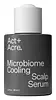 Key Ingredients
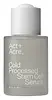
Benefits
Concerns
Ingredients Side-by-side
Water
Skin ConditioningPentylene Glycol
Skin Conditioning
Propanediol
Solvent
Glycerin
Humectant
Vitis Vinifera Fruit Extract
Skin ConditioningHexylene Glycol
EmulsifyingCapryloyl Glycine
CleansingZingiber Officinale Root Extract
Masking
Boswellia Serrata Resin Extract
SmoothingMenthol
Masking




Menthyl Lactate
Masking
Microcrystalline Cellulose
AbsorbentSodium Hydroxide
BufferingSodium Gluconate
Skin ConditioningMentha Piperita Oil
Masking


Sphingomonas Ferment Extract
Skin Conditioning

Tocopherol
Antioxidant




Sodium Hyaluronate
Humectant
Caprylhydroxamic Acid
Sodium Anisate
AntimicrobialHelianthus Annuus Seed Oil
Emollient
Epilobium Angustifolium Flower/Leaf/Stem Extract
Skin ConditioningCellulose Gum
Emulsion StabilisingXylitylglucoside
Humectant
Water, Pentylene Glycol, Propanediol, Glycerin, Vitis Vinifera Fruit Extract, Hexylene Glycol, Capryloyl Glycine, Zingiber Officinale Root Extract, Boswellia Serrata Resin Extract, Menthol, Menthyl Lactate, Microcrystalline Cellulose, Sodium Hydroxide, Sodium Gluconate, Mentha Piperita Oil, Sphingomonas Ferment Extract, Tocopherol, Sodium Hyaluronate, Caprylhydroxamic Acid, Sodium Anisate, Helianthus Annuus Seed Oil, Epilobium Angustifolium Flower/Leaf/Stem Extract, Cellulose Gum, Xylitylglucoside
Water
Skin ConditioningGlycerin
Humectant
Butylene Glycol
Humectant
Aloe Barbadensis Leaf Juice
Skin Conditioning
Pentylene Glycol
Skin Conditioning
Propanediol
Solvent
Xanthan Gum
EmulsifyingGlucosamine Hcl
Caprylyl Glycol
Emollient
Glycereth-26
Humectant
Pisum Sativum Extract
Skin ConditioningMalus Domestica Fruit Cell Culture Extract
Skin ConditioningCarbomer
Emulsion StabilisingBambusa Vulgaris Leaf/Stem Extract
HumectantEthylhexylglycerin
Skin ConditioningSodium Hyaluronate
Humectant
Tetrasodium Glutamate Diacetate
Phenoxyethanol
Preservative
Quercus Petraea Fruit Extract
Skin ConditioningCollagen
Moisturising
Lecithin
Emollient
Leuconostoc/Radish Root Ferment Filtrate
Antimicrobial
Sodium Benzoate
Masking
Sodium Hydroxide
BufferingPotassium Sorbate
Preservative
Sodium Glycolate
BufferingSodium Formate
Buffering
Citric Acid
Buffering
Water, Glycerin, Butylene Glycol, Aloe Barbadensis Leaf Juice, Pentylene Glycol, Propanediol, Xanthan Gum, Glucosamine Hcl, Caprylyl Glycol, Glycereth-26, Pisum Sativum Extract, Malus Domestica Fruit Cell Culture Extract, Carbomer, Bambusa Vulgaris Leaf/Stem Extract, Ethylhexylglycerin, Sodium Hyaluronate, Tetrasodium Glutamate Diacetate, Phenoxyethanol, Quercus Petraea Fruit Extract, Collagen, Lecithin, Leuconostoc/Radish Root Ferment Filtrate, Sodium Benzoate, Sodium Hydroxide, Potassium Sorbate, Sodium Glycolate, Sodium Formate, Citric Acid
Ingredients Explained
These ingredients are found in both products.
Ingredients higher up in an ingredient list are typically present in a larger amount.
Glycerin (or glycerol) is a compound naturally found in your skin. It's a powerhouse humectant that pulls water into the stratum corneum.
Topically, glycerin does several things at once:
Your skin makes glycerin on its own (mostly from sebaceous oil breakdown) and shuttles it to your outermost layer of skin, or your epidermis, via aquaporin-3.
Aquaporin-3 is a transporter that is essential for normal skin hydration, elasticity, and repair. Interestingly, mice lacking in AQP3 have dry and less elastic skin that can be fully corrected with glycerin.
This ingredient is non-irritating, plays well with almost every ingredient, and works across all skin types. Typical use is anywhere between 3-10% but can go up to 79% in some leave-on products.
Just know very high concentrations (>40%) can feel tacky in low humidity.
Glycerin is the name for this ingredient in American English. British English uses Glycerol/Glycerine.
Learn more about GlycerinPentylene Glycol (1,2-pentanediol) is a multitasking little diol with three main roles in a formula:
Research on alkanediols (the family pentylene glycol belongs to) show they work by disrupting microbial cell membranes. This disruption helps the primary preservative system in a product work more effectively at lower doses.
On the safety side, the Cosmetic Ingredient Review Expert Panel has concluded this ingredient to be safe as used in current cosmetic practices + concentrations.
Typical use levels in a formula run about 1-5%.
Learn more about Pentylene GlycolPropanediol is an all-star ingredient. It softens, hydrates, and smooths the skin.
It’s often used to:
Propanediol is not likely to cause sensitivity and considered safe to use. It is derived from corn or petroleum with a clear color and no scent.
Learn more about PropanediolSodium Hyaluronate is the salt form of hyaluronic acid. It is a long sugar chain that is naturally found in your skin, joints, and connective tissue that maintains hydration and elasticity.
In skincare, it works as a humectant. It pulls water from the environment and deeper layers of skin and binds it to the surface.
Interestingly, the size of the molecule affects its behavior:
Some clinical evidence links low molecular weight versions to improved wrinkle depth, elasticity, anti-inflammatory effects, and barrier repair.
Many serums use a blend of both weights so you can get surface hydration plus longer-lasting and deeper effects.
You'll typically see concentrations between 0.1-2% for this ingredient.
Learn more about Sodium HyaluronateSodium Hydroxide is also known as lye or caustic soda. It is used to adjust the pH of products; many ingredients require a specific pH to be effective.
In small amounts, sodium hydroxide is considered safe to use. However, large amounts may cause chemical burns due to its high alkaline.
Your skin has a natural pH and acid mantle. This acid mantle helps prevent harmful bacteria from breaking through. The acid mantle also helps keep your skin hydrated.
"Alkaline" refers to a high pH level. A low pH level would be considered acidic.
Learn more about Sodium HydroxideWater. It's the most common cosmetic ingredient of all. You'll usually see it at the top of ingredient lists, meaning that it makes up the largest part of the product.
So why is it so popular? Water most often acts as a solvent - this means that it helps dissolve other ingredients into the formulation.
You'll also recognize water as that liquid we all need to stay alive. If you see this, drink a glass of water. Remember to stay hydrated!
Learn more about Water

