9wishes Vegan Collagen Ampule Essence Versus Estée Lauder Micro Essence Treatment Lotion With Bio-Ferment
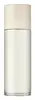
This anti-aging essence is formulated around Collagen Extract and Adenosine to soften the look of wrinkles and hydrate skin.
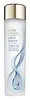
This barrier-repair essence is formulated around Bifida Ferment Lysate and Lactobacillus Ferment to strengthen the skin barrier and hydrate skin.


What's inside
What's inside
 Key Ingredients
Benefits
Concerns
No concerns
Ingredients Side-by-side
Collagen Extract 83.3%
Skin Conditioning

Butylene Glycol
Humectant
Glycerin
Humectant
1,2-Hexanediol
Skin Conditioning
Water
Skin ConditioningCoffea Arabica Seed Extract
Masking
Psidium Guajava Leaf Extract
AstringentBetaine
Humectant
Sasa Quelpaertensis Extract
Skin ConditioningCarbomer
Emulsion StabilisingPolyglyceryl-10 Laurate
Skin Conditioning

Opuntia Ficus-Indica Stem Extract
Skin Conditioning
Tromethamine
BufferingXanthan Gum
EmulsifyingEthylhexylglycerin
Skin ConditioningDipotassium Glycyrrhizate
Humectant
Adenosine
Skin Conditioning
Disodium EDTA
ChelatingBiosaccharide Gum-1
Humectant
Hydrolyzed Extensin
Skin ConditioningSodium Hyaluronate
Humectant
Collagen
Moisturising
Leuconostoc/Radish Root Ferment Filtrate
Antimicrobial
Tripeptide-1
Skin Conditioning
Acetyl Hexapeptide-8
Humectant
Alanine/Histidine/Lysine Polypeptide Copper Hcl
Skin Conditioning
Copper Tripeptide-1
Skin Conditioning
Palmitoyl Tripeptide-1
Skin Conditioning
Palmitoyl Pentapeptide-4
Skin Conditioning
Hexapeptide-11
Skin Conditioning
Hexapeptide-9
Skin Conditioning
Nonapeptide-1
Skin Conditioning
Collagen Extract 83.3%, Butylene Glycol, Glycerin, 1,2-Hexanediol, Water, Coffea Arabica Seed Extract, Psidium Guajava Leaf Extract, Betaine, Sasa Quelpaertensis Extract, Carbomer, Polyglyceryl-10 Laurate, Opuntia Ficus-Indica Stem Extract, Tromethamine, Xanthan Gum, Ethylhexylglycerin, Dipotassium Glycyrrhizate, Adenosine, Disodium EDTA, Biosaccharide Gum-1, Hydrolyzed Extensin, Sodium Hyaluronate, Collagen, Leuconostoc/Radish Root Ferment Filtrate, Tripeptide-1, Acetyl Hexapeptide-8, Alanine/Histidine/Lysine Polypeptide Copper Hcl, Copper Tripeptide-1, Palmitoyl Tripeptide-1, Palmitoyl Pentapeptide-4, Hexapeptide-11, Hexapeptide-9, Nonapeptide-1
Water
Skin ConditioningBifida Ferment Lysate
Skin Conditioning
Propanediol
Solvent
PEG-75
HumectantLactobacillus Ferment
Skin Conditioning
Acetyl Hexapeptide-8
Humectant
Acetyl Glucosamine
Skin Conditioning

Sodium Hyaluronate
Humectant
Anthemis Nobilis Flower Extract
Masking
Caffeine
Skin Conditioning
Dipotassium Glycyrrhizate
Humectant
Hydrolyzed Rice Extract
Skin Conditioning
Betaine
Humectant
Maltodextrin
Absorbent
Carbomer
Emulsion StabilisingTromethamine
BufferingCitric Acid
Buffering
Trehalose
Humectant
Butylene Glycol
Humectant
Caprylyl Glycol
Emollient
PPG-5-Ceteth-20
EmulsifyingPentylene Glycol
Skin Conditioning
Disodium EDTA
ChelatingSodium Citrate
BufferingPhenoxyethanol
Preservative
Potassium Sorbate
Preservative
Water, Bifida Ferment Lysate, Propanediol, PEG-75, Lactobacillus Ferment, Acetyl Hexapeptide-8, Acetyl Glucosamine, Sodium Hyaluronate, Anthemis Nobilis Flower Extract, Caffeine, Dipotassium Glycyrrhizate, Hydrolyzed Rice Extract, Betaine, Maltodextrin, Carbomer, Tromethamine, Citric Acid, Trehalose, Butylene Glycol, Caprylyl Glycol, PPG-5-Ceteth-20, Pentylene Glycol, Disodium EDTA, Sodium Citrate, Phenoxyethanol, Potassium Sorbate
Reviews
Ingredients Explained
These ingredients are found in both products.
Ingredients higher up in an ingredient list are typically present in a larger amount.
Acetyl Hexapeptide-8 (also known as Argireline) is a synthetic hexapeptide that is often called a "topical Botox alternative".
It works by mimicking how Botox relaxes muscles; it interferes with the signaling process that tells your facial muscles to contract. This can help soften expression lines like forehead wrinkles or crow's feet over time.
The comparison to Botox does have limits because the molecule is water-loving and relatively large.
Acetyl Hexapeptide-8 has a hard time absorbing deeply enough through the skin's outer barrier to actually reach the muscles.
So whether it truly works the way Botox does at a biological level is still up for debate, but early clinical outcomes are fairly encouraging.
A 12 week human study of a multi-ingredient regimen containing this ingredient saw:
While some studies have observed improvements in wrinkle appearance, it is important to note that more consistent results are seen in multi-ingredient formulations (vs just Acetyl Hexapeptide-8 alone).
Some research studies also used higher concentrations (up to 10%) while this ingredient is usually found in concentrations up to 0.005% in leave-on formulations.
Learn more about Acetyl Hexapeptide-8Betaine is a humectant. Like hyaluronic acid, it helps attract and retain moisture in the skin. It’s known for being gentle and for helping the skin maintain balanced hydration.
Betaine is mainly used to improve hydration and support calmer skin. It helps skin cells regulate water balance because it functions as an osmolyte.
Some studies suggest betaine may support making skin tone more even.
Fun fact: Betaine naturally exists in the skin and the body. In cosmetic products, it can be either plant-derived (most commonly from sugar beets) or synthetically produced for consistency and stability.
Betaine is also known as trimethylglycine.
Learn more about BetaineButylene Glycol (or BG) is used within cosmetic products for a few different reasons:
Overall, Butylene Glycol is a safe and well-rounded ingredient that works well with other ingredients.
Though this ingredient works well with most skin types, some people with sensitive skin may experience a reaction such as allergic rashes, closed comedones, or itchiness.
Learn more about Butylene GlycolCarbomer is a synthetic thickening and gelling agent. It's basically the ingredient that gives a lot of serums, gels, creams, and sunscreens their smooth, non-sticky texture.
Although legally permitted at very high levels, carbomers are normally used at concentrations below 1%.
It also needs to be neutralized to actually thicken, and because it is a large molecule, it doesn't really penetrate the skin barrier.
Allergy-wise, the risk is very low. Clinical studies show carbomers have low potential for skin irritation/sensitization even at concentrations up to 100%.
A 2024 UK study patch-tested 1,302 patients and found true allergy to the parent group of carbomer to be rare with no confirmed relevant reactions.
Learn more about CarbomerDipotassium Glycyrrhizate comes from licorice root.
Extracts of licorice have demonstrated to have antibacterial, anti‐inflammatory, antiviral, antioxidant properties.
One component, glabridin, has extra potent antioxidant and soothing properties. It has also been found to block pigmentation from UVB rays in guinea pigs.
Licorice Root also contains a flavonoid. Flavonoids are a natural substance from in plants. Flavonoids also have antioxidant properties.
Another component, glycyrrhizin, has been found to have anti-inflammatory and antimicrobial benefits. This may make licorice root extract effective at treating acne. However, more research is needed to support this.
Liquiritin is one of the flavone compounds found in licorice. It has been found to help lighten skin by preventing tyrosinase from reacting with tyrosine. When the two react, protein is converted to melanin. Melanin is the substance in your body that gives your features pigmentation.
Licorice root is native to Southern Europe and Asia. It has been used in traditional Chinese medicine to help with respiratory issues.
Learn more about Dipotassium GlycyrrhizateDisodium EDTA is a chelating agent. It grabs onto and deactivates metal ions that sneak into your products from water, packaging, or air.
This ingredient mainly works behind the scenes and helps with:
On top of that, this ingredient can counteract the effects of hard water by binding to the minerals in it.
One thing worth knowing is that Disodium EDTA has been shown to be a mild penetration enhancer. It can help other ingredients absorb into skin more effectively which can be a double-edged sword (great for actives, but can also make the active too strong if you have sensitive skin).
Clinical patch testing showed no significant skin irritation at typical use concentrations and minimal dermal absorption.
You'll most likely see this ingredient near the end of an ingredient list. It's typically found in concentrations less than 1%.
Learn more about Disodium EDTASodium Hyaluronate is the salt form of hyaluronic acid. It is a long sugar chain that is naturally found in your skin, joints, and connective tissue that maintains hydration and elasticity.
In skincare, it works as a humectant. It pulls water from the environment and deeper layers of skin and binds it to the surface.
Interestingly, the size of the molecule affects its behavior:
Some clinical evidence links low molecular weight versions to improved wrinkle depth, elasticity, anti-inflammatory effects, and barrier repair.
Many serums use a blend of both weights so you can get surface hydration plus longer-lasting and deeper effects.
You'll typically see concentrations between 0.1-2% for this ingredient.
Learn more about Sodium HyaluronateTromethamine (aka THAM) is a synthetic amino acid that shows up in skincare as a helper ingredient.
It functions as a pH adjuster to help neutralize acidic ingredients and set a formula's pH to the right spot.
This matters a lot because a lot of actives (like vitamin C) needs a specific pH to work well and feel comfortable on skin.
Concentration use ranges from 0.1-1.0% depending on the formula.
Learn more about TromethamineWater. It's the most common cosmetic ingredient of all. You'll usually see it at the top of ingredient lists, meaning that it makes up the largest part of the product.
So why is it so popular? Water most often acts as a solvent - this means that it helps dissolve other ingredients into the formulation.
You'll also recognize water as that liquid we all need to stay alive. If you see this, drink a glass of water. Remember to stay hydrated!
Learn more about Water

