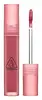
3CE Blur Water Tint Versus 3CE Drop Glow Gel

What's inside
What's inside
 Key Ingredients
No key ingredients
Benefits
Concerns
Ingredients Side-by-side
Water
Skin ConditioningDimethicone
Emollient

Dimethicone/Vinyl Dimethicone Crosspolymer
Skin Conditioning
Glycerin
Humectant

Alcohol Denat.
Antimicrobial




Pentylene Glycol
Skin Conditioning
Polyglyceryl-10 Myristate
Skin Conditioning
Polyacrylate Crosspolymer-6
Emulsion StabilisingDimethicone Crosspolymer
Emulsion Stabilising
Butylene Glycol
Humectant
Ceteareth-20
Cleansing
Ethylhexylglycerin
Skin ConditioningTrisodium Ethylenediamine Disuccinate
ChelatingAluminum Hydroxide
EmollientAmmonium Polyacrylate
StabilisingArginine
Masking
T-Butyl Alcohol
Perfuming

Carbomer
Emulsion StabilisingPhenoxyethanol
Preservative
Parfum
Masking
CI 77891
Cosmetic ColorantCI 15985
Cosmetic ColorantCI 17200
Cosmetic ColorantCI 19140
Cosmetic ColorantCI 42090
Cosmetic ColorantWater, Dimethicone, Dimethicone/Vinyl Dimethicone Crosspolymer, Glycerin, Alcohol Denat., Pentylene Glycol, Polyglyceryl-10 Myristate, Polyacrylate Crosspolymer-6, Dimethicone Crosspolymer, Butylene Glycol, Ceteareth-20, Ethylhexylglycerin, Trisodium Ethylenediamine Disuccinate, Aluminum Hydroxide, Ammonium Polyacrylate, Arginine, T-Butyl Alcohol, Carbomer, Phenoxyethanol, Parfum, CI 77891, CI 15985, CI 17200, CI 19140, CI 42090
Diisostearyl Malate
EmollientHydrogenated Polyisobutene
EmollientCaprylic/Capric Triglyceride
Masking
Polyglyceryl-2 Isostearate/Dimer Dilinoleate Copolymer
EmollientOctyldodecanol
Emollient
Silica Dimethyl Silylate
EmollientSorbitan Isostearate
Emulsifying
Synthetic Wax
Abrasive

Pentylene Glycol
Skin Conditioning
CI 77891
Cosmetic ColorantCaprylyl Glycol
Emollient
Disteardimonium Hectorite
StabilisingSilica Silylate
Emollient
CI 15985
Cosmetic ColorantTocopheryl Acetate
Antioxidant


Propylene Carbonate
SolventParfum
Masking
CI 45410
Cosmetic ColorantCI 77499
Cosmetic ColorantCI 15850
Cosmetic ColorantDiisostearyl Malate, Hydrogenated Polyisobutene, Caprylic/Capric Triglyceride, Polyglyceryl-2 Isostearate/Dimer Dilinoleate Copolymer, Octyldodecanol, Silica Dimethyl Silylate, Sorbitan Isostearate, Synthetic Wax, Pentylene Glycol, CI 77891, Caprylyl Glycol, Disteardimonium Hectorite, Silica Silylate, CI 15985, Tocopheryl Acetate, Propylene Carbonate, Parfum, CI 45410, CI 77499, CI 15850
Ingredients Explained
These ingredients are found in both products.
Ingredients higher up in an ingredient list are typically present in a larger amount.
Ci 15985 is a dye made from petroleum. It is synthetically created and approved by the FDA for use in foods and cosmetics.
The color of this dye is orange/yellow.
This ingredient can be found in makeup, sun care, and skincare.
Learn more about CI 15985Ci 77891 is a white pigment from Titanium dioxide. It is naturally found in minerals such as rutile and ilmenite.
It's main function is to add a white color to cosmetics. It can also be mixed with other colors to create different shades.
Ci 77891 is commonly found in sunscreens due to its ability to block UV rays.
Learn more about CI 77891Parfum is a catch-all term for an ingredient or more that is used to give a scent to products.
Also called "fragrance", this ingredient can be a blend of hundreds of chemicals or plant oils. This means every product with "fragrance" or "parfum" in the ingredients list is a different mixture.
For instance, Habanolide is a proprietary trade name for a specific aroma chemical. When used as a fragrance ingredient in cosmetics, most aroma chemicals fall under the broad labeling category of “FRAGRANCE” or “PARFUM” according to EU and US regulations.
The term 'parfum' or 'fragrance' is not regulated in many countries. In many cases, it is up to the brand to define this term.
For instance, many brands choose to label themselves as "fragrance-free" because they are not using synthetic fragrances. However, their products may still contain ingredients such as essential oils that are considered a fragrance by INCI standards.
One example is Calendula flower extract. Calendula is an essential oil that still imparts a scent or 'fragrance'.
Depending on the blend, the ingredients in the mixture can cause allergies and sensitivities on the skin. Some ingredients that are known EU allergens include linalool and citronellol.
Parfum can also be used to mask or cover an unpleasant scent.
The bottom line is: not all fragrances/parfum/ingredients are created equally. If you are worried about fragrances, we recommend taking a closer look at an ingredient. And of course, we always recommend speaking with a professional.
Learn more about ParfumPentylene Glycol (1,2-pentanediol) is a multitasking little diol with three main roles in a formula:
Research on alkanediols (the family pentylene glycol belongs to) show they work by disrupting microbial cell membranes. This disruption helps the primary preservative system in a product work more effectively at lower doses.
On the safety side, the Cosmetic Ingredient Review Expert Panel has concluded this ingredient to be safe as used in current cosmetic practices + concentrations.
Typical use levels in a formula run about 1-5%.
Learn more about Pentylene Glycol

