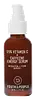
This brightening serum is formulated around 3-O-Ethyl Ascorbic Acid and Tetrahexyldecyl Ascorbate to brighten dull-looking skin and fade the look of dark spots.
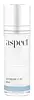
This anti-aging serum is formulated around Ascorbyl Tetraisopalmitate and Palmitoyl Tripeptide-5 to soften the look of wrinkles.


What's inside
What's inside
 Key Ingredients
Benefits
Concerns
Ingredients Side-by-side
Water
Skin Conditioning3-O-Ethyl Ascorbic Acid
Skin Conditioning





Tetrahexyldecyl Ascorbate
Antioxidant
Propanediol
Solvent

Glycerin
Humectant
Pentylene Glycol
Skin Conditioning
Sodium Citrate
BufferingSqualane
Emollient
Triethyl Citrate
Masking

Gluconolactone
Chelating


Citric Acid
Buffering

Polyhydroxystearic Acid
Emulsifying
Polyglyceryl-6 Polyricinoleate
Emulsifying
Xanthan Gum
EmulsifyingSodium Hyaluronate
Humectant
Caffeine
Skin Conditioning
Magnesium Ascorbyl Phosphate
Antioxidant
Sodium Stearoyl Glutamate
CleansingSodium Benzoate
Masking
Lauroyl Lysine
Skin Conditioning
Passiflora Edulis Fruit Extract
Skin ConditioningSclerotium Gum
Emulsion StabilisingLecithin
Emollient
Ilex Guayusa Leaf Extract
Skin ProtectingIlex Paraguariensis Leaf Extract
Perfuming
Pullulan
Mannitol
Humectant
Hylocereus Undatus Fruit Extract
Skin ConditioningZingiber Officinale Root Oil
Masking


Calcium Gluconate
HumectantSilica
Abrasive
Potassium Sorbate
Preservative
Phenoxyethanol
Preservative
Ergothioneine
Antioxidant
Water, 3-O-Ethyl Ascorbic Acid, Tetrahexyldecyl Ascorbate, Propanediol, Glycerin, Pentylene Glycol, Sodium Citrate, Squalane, Triethyl Citrate, Gluconolactone, Citric Acid, Polyhydroxystearic Acid, Polyglyceryl-6 Polyricinoleate, Xanthan Gum, Sodium Hyaluronate, Caffeine, Magnesium Ascorbyl Phosphate, Sodium Stearoyl Glutamate, Sodium Benzoate, Lauroyl Lysine, Passiflora Edulis Fruit Extract, Sclerotium Gum, Lecithin, Ilex Guayusa Leaf Extract, Ilex Paraguariensis Leaf Extract, Pullulan, Mannitol, Hylocereus Undatus Fruit Extract, Zingiber Officinale Root Oil, Calcium Gluconate, Silica, Potassium Sorbate, Phenoxyethanol, Ergothioneine
Water
Skin ConditioningGlycerin
Humectant
Panthenol
Skin Conditioning
Ascorbyl Tetraisopalmitate
Antioxidant
Tocopheryl Acetate
Antioxidant
Lecithin
Emollient
Oryza Sativa Bran Oil
Emollient
Phenoxyethanol
Preservative
Citrus Aurantium Dulcis Peel Oil
Masking
Pullulan
Citrus Reticulata Peel Oil
Masking
Epilobium Angustifolium Flower/Leaf/Stem Extract
Skin ConditioningNannochloropsis Oculata Extract
HumectantPalmitoyl Tripeptide-5
Skin Conditioning
Terminalia Ferdinandiana Fruit Extract
Antioxidant
Backhousia Citriodora Leaf Extract
AstringentTasmannia Lanceolata Fruit Extract
Skin ConditioningCitrus Glauca Fruit Extract
HumectantDavidsonia Jerseyana Fruit Extract
Antioxidant
Dipeptide Diaminobutyroyl Benzylamide Diacetate
Skin Conditioning
Citrus Aurantium Amara Leaf/Twig Oil
Masking
Lactic Acid
Buffering
Xanthan Gum
EmulsifyingSclerotium Gum
Emulsion StabilisingPotassium Sorbate
Preservative
Sodium Stearoyl Glutamate
CleansingTetrasodium EDTA
ChelatingEthylhexylglycerin
Skin ConditioningBenzoic Acid
Masking
Sorbic Acid
Preservative
Sodium Metabisulfite
Antioxidant
Water, Glycerin, Panthenol, Ascorbyl Tetraisopalmitate, Tocopheryl Acetate, Lecithin, Oryza Sativa Bran Oil, Phenoxyethanol, Citrus Aurantium Dulcis Peel Oil, Pullulan, Citrus Reticulata Peel Oil, Epilobium Angustifolium Flower/Leaf/Stem Extract, Nannochloropsis Oculata Extract, Palmitoyl Tripeptide-5, Terminalia Ferdinandiana Fruit Extract, Backhousia Citriodora Leaf Extract, Tasmannia Lanceolata Fruit Extract, Citrus Glauca Fruit Extract, Davidsonia Jerseyana Fruit Extract, Dipeptide Diaminobutyroyl Benzylamide Diacetate, Citrus Aurantium Amara Leaf/Twig Oil, Lactic Acid, Xanthan Gum, Sclerotium Gum, Potassium Sorbate, Sodium Stearoyl Glutamate, Tetrasodium EDTA, Ethylhexylglycerin, Benzoic Acid, Sorbic Acid, Sodium Metabisulfite
Reviews
Ingredients Explained
These ingredients are found in both products.
Ingredients higher up in an ingredient list are typically present in a larger amount.
Glycerin (or glycerol) is a compound naturally found in your skin. It's a powerhouse humectant that pulls water into the stratum corneum.
Topically, glycerin does several things at once:
Your skin makes glycerin on its own (mostly from sebaceous oil breakdown) and shuttles it to your outermost layer of skin, or your epidermis, via aquaporin-3.
Aquaporin-3 is a transporter that is essential for normal skin hydration, elasticity, and repair. Interestingly, mice lacking in AQP3 have dry and less elastic skin that can be fully corrected with glycerin.
This ingredient is non-irritating, plays well with almost every ingredient, and works across all skin types. Typical use is anywhere between 3-10% but can go up to 79% in some leave-on products.
Just know very high concentrations (>40%) can feel tacky in low humidity.
Glycerin is the name for this ingredient in American English. British English uses Glycerol/Glycerine.
Learn more about GlycerinLecithin is a term for a group of substances found in the cell membranes of plants, animals, and humans. They are made up of phospholipids.
Thanks to its amphiphilic structure (water-loving head and oil-loving tail), it is a true multitasker:
It plays well with most ingredients and is typically used at 0.1-1%. However, concentrations up to 50% have been reported in moisturizers.
Learn more about LecithinPhenoxyethanol is one of the most widely used preservatives in skincare (and for good reason!).
It has a large spectrum of antimicrobial activity and especially effective bacteria, yeast, and mold while only having a weak effect on your skin's natural microbiome.
On a cellular level, it disrupts the cell membranes of microbes by poking holes that make the cell leak. This shuts down the chemical reactions the microbe needs to make energy so it can no longer survive.
Another perk of this ingredient is that it stays functional across a wide pH range (3-10).
You'll often see it paired with boosters like Ethylhexylglycerin; one study showed that a 1:9 ratio of Ethylhexylglycerin to Phenoxyethanol damages bacterial membranes as effectively as doubling the Phenoxyethanol concentration on its own.
Typical use concentrations range from 0.3-1% depending on the formula, and this ingredient is capped at 1% int the EU.
Safety-wise, the fear mongering does not hold up to the evidence. The EU's Scientific Committee on Consumer Safety and FDA consider it safe as a preservative at up to 1%, including for children of all ages.
Adverse systemic effects only showed up in animal studies at exposures roughly 200x higher than what people get from cosmetics. And despite its very widespread use, this ingredient is a rare sensitizer and allergic reactions are uncommon.
Learn more about PhenoxyethanolPotassium Sorbate is a preservative used to prevent yeast and mold in products. It is commonly found in both cosmetic and food products.
This ingredient comes from potassium salt derived from sorbic acid. Sorbic acid is a natural antibiotic and effective against fungus.
Both potassium sorbate and sorbic acid can be found in baked goods, cheeses, dried meats, dried fruit, ice cream, pickles, wine, yogurt, and more.
You'll often find this ingredient used with other preservatives.
Learn more about Potassium SorbatePullulan is a low viscosity polysaccharide (a long chain carbohydrate) with binding and film forming properties when dissolved in water. It is used to create a "silicone-like" or silky feel in cosmetics without adding viscosity.
According to a manufacturer, this ingredient's ability to easily dissolves makes it a great carrier for active ingredients.
Due to it being edible and tasteless, you'll likely find this ingredient in breath freshener strips. This ingredient is produced from the starch of the fungus, Aureobasidium pullulans.
Pullulan is stable over a broad-range of pH.
Learn more about PullulanSclerotium Gum is a natural sugar-based fiber made by fermenting a fungus called Sclerotium rolfsii. It's often used as the plant-friendly alternative for synthetic thickeners like carbomer.
In skincare, it works as a thickener, gel former, and stabilizer that keeps heavy ingredients suspended so a product does not separate.
It is non-ionic and forms a triple helix in solution. This is just a fancy way of saying it builds a smooth, cushiony, and non-sticky gel that feels silkier than many other gums.
Another perk of this ingredient is that it is very sturdy and holds up across a wide pH range (~2-11). It's also good at resisting heat and hydrolysis.
Since it holds water at the skin surface, it can provide some light hydration as well.
Typical use levels are around 0.25-2%; formulators usually use 0.2-0.5% to thicken lotions and up to 2% for a firmer gel base.
This ingredient has been found safe in cosmetics with no meaningful evidence of skin sensitization.
Learn more about Sclerotium GumSodium Stearoyl Glutamate is an amino-acid based emulsifier. It is made by combining stearic acid with L-glutamic acid and neutralizing it to a sodium salt.
As an emulsifier, it works mainly as an oil-in-water one and helps keep the oil and water in your formulas blended. It also contributes to a smooth, non-greasy skin feel.
This ingredient is biodegradable and commonly available in natural/COSMOS-certified grades.
Learn more about Sodium Stearoyl GlutamateWater. It's the most common cosmetic ingredient of all. You'll usually see it at the top of ingredient lists, meaning that it makes up the largest part of the product.
So why is it so popular? Water most often acts as a solvent - this means that it helps dissolve other ingredients into the formulation.
You'll also recognize water as that liquid we all need to stay alive. If you see this, drink a glass of water. Remember to stay hydrated!
Learn more about WaterXanthan gum is used as a stabilizer and thickener within cosmetic products. It helps give products a sticky, thick feeling - preventing them from being too runny.
On the technical side of things, xanthan gum is a polysaccharide - a combination consisting of multiple sugar molecules bonded together.
Xanthan gum is a pretty common and great ingredient. It is a natural, non-toxic, non-irritating ingredient that is also commonly used in food products.
Learn more about Xanthan Gum

