
What's inside
What's inside
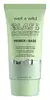 Key Ingredients
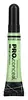
Benefits
Concerns
Ingredients Side-by-side
Water
Skin ConditioningGlycerin
Humectant


Butylene Glycol
Humectant
Ethylhexyl Isononanoate
EmollientSqualane
Emollient
Hydrogenated Polyisobutene
EmollientDiisostearyl Malate
EmollientTriethylhexanoin
MaskingSteareth-10
Emulsifying

Ammonium Acryloyldimethyltaurate/Vp Copolymer
Phenoxyethanol
Preservative
Glyceryl Stearate
Emollient

PEG-100 Stearate
Surfactant
Ethylhexylglycerin
Skin ConditioningTocopheryl Acetate
Antioxidant


Spirulina Platensis Extract
Skin ProtectingSpirulina Platensis Powder
Skin ProtectingTetrahexyldecyl Ascorbate
Antioxidant



CI 77491
Cosmetic ColorantCI 77492
Cosmetic ColorantMica
Cosmetic ColorantTitanium Dioxide
Cosmetic Colorant

Chromium Oxide Greens
Water, Glycerin, Butylene Glycol, Ethylhexyl Isononanoate, Squalane, Hydrogenated Polyisobutene, Diisostearyl Malate, Triethylhexanoin, Steareth-10, Ammonium Acryloyldimethyltaurate/Vp Copolymer, Phenoxyethanol, Glyceryl Stearate, PEG-100 Stearate, Ethylhexylglycerin, Tocopheryl Acetate, Spirulina Platensis Extract, Spirulina Platensis Powder, Tetrahexyldecyl Ascorbate, CI 77491, CI 77492, Mica, Titanium Dioxide, Chromium Oxide Greens
Water
Skin ConditioningCyclopentasiloxane
Emollient
Beeswax
Emulsion Stabilising
Stearyl Dimethicone
Emollient
Isododecane
EmollientCetyl Ethylhexanoate
EmollientMicrocrystalline Wax
Emulsion StabilisingCetyl PEG/PPG-10/1 Dimethicone
Emulsifying
Polyglyceryl-4 Oleate
Emulsifying
Mica
Cosmetic ColorantDisteardimonium Hectorite
StabilisingPhenoxyethanol
Preservative
Methylparaben
Preservative
Ethylparaben
Preservative
Butylparaben
Masking
Propylparaben
Preservative
Tocopheryl Acetate
Antioxidant
Ascorbyl Palmitate
Antioxidant
Propylene Glycol
Humectant
Chamomilla Recutita Extract
Skin Conditioning
Propylene Carbonate
SolventSodium Hyaluronate
Humectant
Iron Oxides
CI 77891
Cosmetic ColorantWater, Cyclopentasiloxane, Beeswax, Stearyl Dimethicone, Isododecane, Cetyl Ethylhexanoate, Microcrystalline Wax, Cetyl PEG/PPG-10/1 Dimethicone, Polyglyceryl-4 Oleate, Mica, Disteardimonium Hectorite, Phenoxyethanol, Methylparaben, Ethylparaben, Butylparaben, Propylparaben, Tocopheryl Acetate, Ascorbyl Palmitate, Propylene Glycol, Chamomilla Recutita Extract, Propylene Carbonate, Sodium Hyaluronate, Iron Oxides, CI 77891
Reviews
Ingredients Explained
These ingredients are found in both products.
Ingredients higher up in an ingredient list are typically present in a larger amount.
Mica is a naturally occurring mineral used to add shimmer and color in cosmetics. It can also help improve the texture of a product or give it an opaque, white/silver color.
Serecite is the name for very fine but ragged grains of mica.
This ingredient is often coated with metal oxides like titanium dioxide. Trace amounts of heavy metals may be found in mica, but these metals are not harmful in our personal products.
Mica has been used since prehistoric times throughout the world. Ancient Egyptian, Indian, Greek, Roman, Aztec, and Chinese civilizations have used mica.
Learn more about MicaPhenoxyethanol is one of the most widely used preservatives in skincare (and for good reason!).
It has a large spectrum of antimicrobial activity and especially effective bacteria, yeast, and mold while only having a weak effect on your skin's natural microbiome.
On a cellular level, it disrupts the cell membranes of microbes by poking holes that make the cell leak. This shuts down the chemical reactions the microbe needs to make energy so it can no longer survive.
Another perk of this ingredient is that it stays functional across a wide pH range (3-10).
You'll often see it paired with boosters like Ethylhexylglycerin; one study showed that a 1:9 ratio of Ethylhexylglycerin to Phenoxyethanol damages bacterial membranes as effectively as doubling the Phenoxyethanol concentration on its own.
Typical use concentrations range from 0.3-1% depending on the formula, and this ingredient is capped at 1% int the EU.
Safety-wise, the fear mongering does not hold up to the evidence. The EU's Scientific Committee on Consumer Safety and FDA consider it safe as a preservative at up to 1%, including for children of all ages.
Adverse systemic effects only showed up in animal studies at exposures roughly 200x higher than what people get from cosmetics. And despite its very widespread use, this ingredient is a rare sensitizer and allergic reactions are uncommon.
Learn more about PhenoxyethanolTocopheryl Acetate is a stable, shelf-friendly form of vitamin E.
Formulators love it because plain vitamin E oxidizes quickly once it hits air. This acetate version stays stable and resists going off, helping to extend a product's shelf life.
It's actually inactive on its own and works like a slow-release "storage" form; the enzymes in your skin called esterases gradually convert it into active vitamin E over time.
One in vivo study showed 5% of the acetate in the living layer of the epidermis converted to vitamin E after 5 days of application. This study also found the skin gained protection against UV damage even though the conversion was slow and small.
Once converted, vitamin E acts as a skin's main fat-soluble antioxidant that fights free radicals to protect skin from damage.
Topical vitamin E generally boosts the skin's photoprotection, and it reduced UV-damage in animal models.
This ingredient has some brightening potential but it's more of a prevention ingredient than spot-fader. Cell studies show it can slow down melanin production but it's worth noting that it's not the most powerful brightener out there.
Overall, it has a pretty solid safety profile and has been found to be non-irritating and non-comedogenic. Allergic reactions may happen but stay rare due to how widely the ingredient gets used.
The concentration will vary depending on the formula; industry data shows 0.1% in baby lotions, 3% in lipsticks, and 5% in foot powders. You can also find this ingredient at 100% in a pure vitamin E oil.
Most leave-on skincare keeps it at the lower end, often between 0.5-1%.
Learn more about Tocopheryl AcetateWater. It's the most common cosmetic ingredient of all. You'll usually see it at the top of ingredient lists, meaning that it makes up the largest part of the product.
So why is it so popular? Water most often acts as a solvent - this means that it helps dissolve other ingredients into the formulation.
You'll also recognize water as that liquid we all need to stay alive. If you see this, drink a glass of water. Remember to stay hydrated!
Learn more about Water

