Wardah Nature Daily Aloe Hydramild Facial Wash Versus Hada Labo Shirojyun Ultimate Whitening Face Wash
This mild cream cleanser is mild enough to cleanse without leaving skin feeling tight or stripped.


What's inside
What's inside
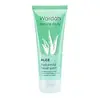 Key Ingredients
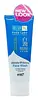
No key ingredients
Benefits
Concerns
Ingredients Side-by-side
Water
Skin ConditioningAcrylates Copolymer
Cocamidopropyl Betaine
Cleansing



Propylene Glycol
Humectant
Glycerin
Humectant

Sodium Lauroyl Sarcosinate
CleansingDecyl Glucoside
Cleansing
Sodium PCA
Humectant
Potassium Cocoyl Glycinate
Surfactant
Sodium Laureth Sulfate
Cleansing

Potassium Cocoate
Emulsifying
Sodium Chloride
MaskingPhenoxyethanol
Preservative
Sodium Hydroxide
BufferingDMDM Hydantoin
Preservative
Ethylhexylglycerin
Skin ConditioningDisodium EDTA
Aloe Barbadensis Leaf Extract
Emollient
Potassium Sorbate
Preservative
Sodium Benzoate
Masking
Water, Acrylates Copolymer, Cocamidopropyl Betaine, Propylene Glycol, Glycerin, Sodium Lauroyl Sarcosinate, Decyl Glucoside, Sodium PCA, Potassium Cocoyl Glycinate, Sodium Laureth Sulfate, Potassium Cocoate, Sodium Chloride, Phenoxyethanol, Sodium Hydroxide, DMDM Hydantoin, Ethylhexylglycerin, Disodium EDTA, Aloe Barbadensis Leaf Extract, Potassium Sorbate, Sodium Benzoate
Sodium Cocoyl Glycinate
Cleansing
Glycerin
Humectant
Cocamidopropyl Betaine
Cleansing
Butylene Glycol
Humectant
Potassium Cocoyl Glycinate
Surfactant
Water
Skin ConditioningDecyl Glucoside
Cleansing
Hydroxypropyl Starch Phosphate
PEG-400
Emulsion StabilisingSodium Lauroyl Aspartate
CleansingSodium Stearoyl Glutamate
CleansingGlyceryl Stearate Se
Emulsifying


Polyquaternium-52
PEG-32
HumectantCitric Acid
Buffering

Polyquaternium-7
Lauric Acid
Cleansing
Stearic Acid
Cleansing
Methylparaben
Preservative

Hydroxypropyltrimonium Hyaluronate
Propylparaben
Preservative
BHT
Antioxidant
Disodium EDTA
Hydroxypropyl Methylcellulose
Emulsion StabilisingArctostaphylos Uva-Ursi Leaf Extract
Skin Conditioning
Sodium Cocoyl Glycinate, Glycerin, Cocamidopropyl Betaine, Butylene Glycol, Potassium Cocoyl Glycinate, Water, Decyl Glucoside, Hydroxypropyl Starch Phosphate, PEG-400, Sodium Lauroyl Aspartate, Sodium Stearoyl Glutamate, Glyceryl Stearate Se, Polyquaternium-52, PEG-32, Citric Acid, Polyquaternium-7, Lauric Acid, Stearic Acid, Methylparaben, Hydroxypropyltrimonium Hyaluronate, Propylparaben, BHT, Disodium EDTA, Hydroxypropyl Methylcellulose, Arctostaphylos Uva-Ursi Leaf Extract
Ingredients Explained
These ingredients are found in both products.
Ingredients higher up in an ingredient list are typically present in a larger amount.
Cocamidopropyl Betaine is a fatty acid created by mixing similar compounds in coconut oil and dimethylaminopropylamine, a compound with two amino groups.
This ingredient is a surfactant and cleanser. It helps gather the dirt, pollutants, and other impurities in your skin to be washed away. It also helps thicken a product and make the texture more creamy.
Being created from coconut oil means Cocamidopropyl Betaine is hydrating for the skin.
While Cocamidopropyl Betaine was believed to be an allergen, a study from 2012 disproved this. It found two compounds in unpure Cocamidopropyl Betaine to be the irritants: aminoamide and 3-dimethylaminopropylamine. High-grade and pure Cocamidopropyl Betaine did not induce allergic reactions during this study.
Learn more about Cocamidopropyl BetaineDecyl Glucoside is a plant-derived surfactant and emulsion stabilizer. It is created by reacting glucose with the fatty acids from plants.
Like all surfactants, it works by lowering the surface tension between water and oil. This makes it so that dirt, sebum, and makeup can be lifted off your skin and rinsed away. It also produces a dense and creamy foam.
Because it has a neutral charge, it is compatible with a wide range of ingredients and stays stable across a broad pH range/water hardiness conditions.
Patch testing has shown it to have the lowest irritation potential among common cleansing surfactants (like SLS).
Typical use levels range from 5-20% in rinse-off cleansers.
One thing worth knowing: The American Contact Dermatitis Society named the parent family, alkyl glucosides, "Allergen of the Year" in 2017. The prevalence of allergy is pretty low but be sure to patch test if you've reacted to "gentle" or sulfate-free cleansers before.
This ingredient is fungal acne safe because the fatty alcohol portion of this ingredient is not within the C11-24 chain length that Malassezia can metabolize.
Learn more about Decyl GlucosideDisodium EDTA is a chelating agent. It grabs onto and deactivates metal ions that sneak into your products from water, packaging, or air.
This ingredient mainly works behind the scenes and helps with:
On top of that, this ingredient can counteract the effects of hard water by binding to the minerals in it.
One thing worth knowing is that Disodium EDTA has been shown to be a mild penetration enhancer. It can help other ingredients absorb into skin more effectively which can be a double-edged sword (great for actives, but can also make the active too strong if you have sensitive skin).
Clinical patch testing showed no significant skin irritation at typical use concentrations and minimal dermal absorption.
You'll most likely see this ingredient near the end of an ingredient list. It's typically found in concentrations less than 1%.
Learn more about Disodium EDTAGlycerin (or glycerol) is a compound naturally found in your skin. It's a powerhouse humectant that pulls water into the stratum corneum.
Topically, glycerin does several things at once:
Your skin makes glycerin on its own (mostly from sebaceous oil breakdown) and shuttles it to your outermost layer of skin, or your epidermis, via aquaporin-3.
Aquaporin-3 is a transporter that is essential for normal skin hydration, elasticity, and repair. Interestingly, mice lacking in AQP3 have dry and less elastic skin that can be fully corrected with glycerin.
This ingredient is non-irritating, plays well with almost every ingredient, and works across all skin types. Typical use is anywhere between 3-10% but can go up to 79% in some leave-on products.
Just know very high concentrations (>40%) can feel tacky in low humidity.
Glycerin is the name for this ingredient in American English. British English uses Glycerol/Glycerine.
Learn more about GlycerinPotassium Cocoyl Glycinate is an amino acid-based surfactant and cleaning agent. This ingredient can be derived from animals or plants. It may also be synthetically created from fatty acids of the coconut and glycine.
Potassium Cocoyl Glycinate is a gentle surfactant. Surfactants help gather the dirt, oil, and other pollutants from your skin to be rinsed away. It is a mild cleanser and naturally produces foam.
Water. It's the most common cosmetic ingredient of all. You'll usually see it at the top of ingredient lists, meaning that it makes up the largest part of the product.
So why is it so popular? Water most often acts as a solvent - this means that it helps dissolve other ingredients into the formulation.
You'll also recognize water as that liquid we all need to stay alive. If you see this, drink a glass of water. Remember to stay hydrated!
Learn more about Water

