

What's inside
What's inside
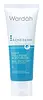 Key Ingredients
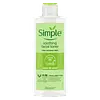
Benefits
Concerns
Ingredients Side-by-side
Dimethicone
Emollient

Butylene Glycol
Humectant

Glycerin
Humectant
Hydroxyethyl Acrylate/Sodium Acryloyldimethyl Taurate Copolymer
Emulsion StabilisingIsononyl Isononanoate
EmollientCetearyl Dimethicone Crosspolymer
Sorbitan Stearate
Emulsifying
Polysorbate 60
Emulsifying
Silica
Abrasive


C14-22 Alcohols
Emulsion Stabilising
Triethanolamine
BufferingPropylene Glycol
Humectant

Salicylic Acid
Masking





Phenoxyethanol
Preservative
C12-20 Alkyl Glucoside
EmulsifyingChlorphenesin
Antimicrobial
Disodium EDTA
Parfum
Masking

Capryloyl Glycine
CleansingAscorbyl Tetraisopalmitate
Antioxidant


Hexylene Glycol
EmulsifyingSarcosine
Skin Conditioning
Centella Asiatica Extract
Cleansing


Cinnamomum Zeylanicum Bark Extract
Antimicrobial
Polygonum Cuspidatum Root Extract
Antioxidant
Scutellaria Baicalensis Root Extract
Astringent
Glucose
Humectant
Camellia Sinensis Leaf Extract
Antimicrobial
Glycyrrhiza Glabra Root Extract
Bleaching
Chamomilla Recutita Flower Extract
Masking
Rosmarinus Officinalis Leaf Extract
AntimicrobialDimethicone, Butylene Glycol, Glycerin, Hydroxyethyl Acrylate/Sodium Acryloyldimethyl Taurate Copolymer, Isononyl Isononanoate, Cetearyl Dimethicone Crosspolymer, Sorbitan Stearate, Polysorbate 60, Silica, C14-22 Alcohols, Triethanolamine, Propylene Glycol, Salicylic Acid, Phenoxyethanol, C12-20 Alkyl Glucoside, Chlorphenesin, Disodium EDTA, Parfum, Capryloyl Glycine, Ascorbyl Tetraisopalmitate, Hexylene Glycol, Sarcosine, Centella Asiatica Extract, Cinnamomum Zeylanicum Bark Extract, Polygonum Cuspidatum Root Extract, Scutellaria Baicalensis Root Extract, Glucose, Camellia Sinensis Leaf Extract, Glycyrrhiza Glabra Root Extract, Chamomilla Recutita Flower Extract, Rosmarinus Officinalis Leaf Extract



Reviews
Ingredients Explained
These ingredients are found in both products.
Ingredients higher up in an ingredient list are typically present in a larger amount.
Disodium EDTA is a chelating agent. It grabs onto and deactivates metal ions that sneak into your products from water, packaging, or air.
This ingredient mainly works behind the scenes and helps with:
On top of that, this ingredient can counteract the effects of hard water by binding to the minerals in it.
One thing worth knowing is that Disodium EDTA has been shown to be a mild penetration enhancer. It can help other ingredients absorb into skin more effectively which can be a double-edged sword (great for actives, but can also make the active too strong if you have sensitive skin).
Clinical patch testing showed no significant skin irritation at typical use concentrations and minimal dermal absorption.
You'll most likely see this ingredient near the end of an ingredient list. It's typically found in concentrations less than 1%.
Learn more about Disodium EDTAPhenoxyethanol is a preservative that has germicide, antimicrobial, and aromatic properties. Studies show that phenoxyethanol can prevent microbial growth. By itself, it has a scent that is similar to that of a rose.
It's often used in formulations along with Caprylyl Glycol to preserve the shelf life of products.
Propylene Glycol is a synthetic, colorless, odorless liquid that has been a staple in cosmetics for decades. It is a skin conditioning agent, humectant, and solvent.
As a humectant, it draw water to the skin to reduce flaking and restore suppleness. It's also a solvent that helps dissolve other actives and keeps formulas stable across temperature changes.
The CIR Expert Panel has confirmed this ingredient to be nontoxic and clinical studies show no sensitization at cosmetic use concentrations.
True allergic reactions are quite rare: a 15-year retrospective study of 6,751 patients found only 0.31% had a positive reaction (and less than half were considered clinically relevant).
It seemed that when sensitization does occur, it's most commonly linked to topical medication (like corticosteroids) and not cosmetics. Allergic contact dermatitis also appears largely limited to individuals with underlying skin conditions.
Overall, propylene glycol is a well-studied ingredient that most people can tolerate without issue.
Learn more about Propylene Glycol
