
What's inside
What's inside
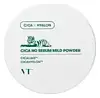 Key Ingredients
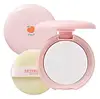
Benefits
Concerns
No concerns
Ingredients Side-by-side
Silica
Abrasive


Aluminum Starch Octenylsuccinate
Absorbent
Dimethicone/Vinyl Dimethicone Crosspolymer
Skin Conditioning
Mica
Cosmetic ColorantMethicone
Emollient
Silica Silylate
Emollient
Centella Asiatica Extract
Cleansing





Asiaticoside
Antioxidant
Asiatic Acid
Skin Conditioning
Madecassic Acid
Skin Conditioning
Madecassoside
Antioxidant
Caprylyl Glycol
Emollient
Ethylhexylglycerin
Skin ConditioningCalamine
AbsorbentCeramide NP
Skin Conditioning

Panthenol
Skin Conditioning
Water
Skin ConditioningButylene Glycol
Humectant
Calendula Officinalis Flower Extract
Masking
1,2-Hexanediol
Skin Conditioning
Tocopherol
Antioxidant


Sodium Hyaluronate
Humectant
Propolis Extract
Skin Conditioning

Silica, Aluminum Starch Octenylsuccinate, Dimethicone/Vinyl Dimethicone Crosspolymer, Mica, Methicone, Silica Silylate, Centella Asiatica Extract, Asiaticoside, Asiatic Acid, Madecassic Acid, Madecassoside, Caprylyl Glycol, Ethylhexylglycerin, Calamine, Ceramide NP, Panthenol, Water, Butylene Glycol, Calendula Officinalis Flower Extract, 1,2-Hexanediol, Tocopherol, Sodium Hyaluronate, Propolis Extract
Dimethicone/Vinyl Dimethicone Crosspolymer
Skin Conditioning
Magnesium/Potassium/Silicon/Fluoride/Hydroxide/Oxide
Zinc Stearate
Cosmetic ColorantPolymethylsilsesquioxane
Mica
Cosmetic ColorantDimethicone
Emollient
Magnesium Myristate


Silica
Abrasive
Phenyl Trimethicone
Skin Conditioning
Hydrogen Dimethicone
1,2-Hexanediol
Skin Conditioning
Caprylyl Glycol
Emollient
Sodium Dehydroacetate
Preservative
Prunus Persica Fruit Extract
Abrasive
Calamine
AbsorbentTocopheryl Acetate
Antioxidant
Parfum
Masking


Butylene Glycol
Humectant
Argania Spinosa Kernel Oil
Emollient

Sesamum Indicum Seed Oil
Emollient
Enantia Chlorantha Bark Extract
Skin ConditioningBeta-Sitosterol
Emulsion Stabilising
Serenoa Serrulata Fruit Extract
Skin Conditioning
Tocopherol
Antioxidant
Oleanolic Acid
Skin ConditioningBenzyl Salicylate
Perfuming
Linalool
Perfuming
Hexyl Cinnamal
Perfuming
Limonene
Perfuming
Dimethicone/Vinyl Dimethicone Crosspolymer, Magnesium/Potassium/Silicon/Fluoride/Hydroxide/Oxide, Zinc Stearate, Polymethylsilsesquioxane, Mica, Dimethicone, Magnesium Myristate, Silica, Phenyl Trimethicone, Hydrogen Dimethicone, 1,2-Hexanediol, Caprylyl Glycol, Sodium Dehydroacetate, Prunus Persica Fruit Extract, Calamine, Tocopheryl Acetate, Parfum, Butylene Glycol, Argania Spinosa Kernel Oil, Sesamum Indicum Seed Oil, Enantia Chlorantha Bark Extract, Beta-Sitosterol, Serenoa Serrulata Fruit Extract, Tocopherol, Oleanolic Acid, Benzyl Salicylate, Linalool, Hexyl Cinnamal, Limonene
Reviews
Ingredients Explained
These ingredients are found in both products.
Ingredients higher up in an ingredient list are typically present in a larger amount.
1,2-Hexanediol is a synthetic liquid and another multi-functional powerhouse.
It is a:
- Humectant, drawing moisture into the skin
- Emollient, helping to soften skin
- Solvent, dispersing and stabilizing formulas
- Preservative booster, enhancing the antimicrobial activity of other preservatives
Butylene Glycol (or BG) is used within cosmetic products for a few different reasons:
Overall, Butylene Glycol is a safe and well-rounded ingredient that works well with other ingredients.
Though this ingredient works well with most skin types, some people with sensitive skin may experience a reaction such as allergic rashes, closed comedones, or itchiness.
Learn more about Butylene GlycolCalamine is a "pink powder" that is used to calm itchy or irritated skin. In official medical standards, calamine is basically almost all zinc oxide with a tiny bit of iron oxide added for the pink color.
Lab testing requires that it’s at least 98% zinc oxide, which just means it has to be very pure and mostly zinc oxide.
In skincare, calamine can help relieve itches, calm skin, and absorb excess moisture/oil. This is why you'll often see it used for oozing rashes. Calamine is approved as a skin protectant active at 1-25% in US OTC drug products.
A big part of calamine's soothing effect comes from zinc oxide's protective properties. Since calamine can absorb excess moisture/oil, it might be drying for already dry skin types.
A review of topical medicament allergies notes that contact dermatitis from calamine isn't typically reported, but added actives in a formulation are known sensitizers.
Learn more about CalamineCaprylyl Glycol is a humectant, skin conditioner, emollient, and preservative booster derived from either caprylic acid or synthetically created.
Typical use levels vary from 0.3-1% as a preservative booster and go up to 2% to condition skin.
Because it is not a free-fatty acid, this ingredient is fungal acne safe (there's nothing for Malassezia to feed on).
Learn more about Caprylyl GlycolThis ingredient is a silicone elastomer that works as a texture enhancer, adds a silky slip, and also helps absorb excess oil.
Because it's a large macromolecule that's insoluble in water and chemically inert, it's not expected to penetrate or be absorbed into skin.
Human patch tests with a facial lotion containing 1% of this ingredient found no sensitization.
Learn more about Dimethicone/Vinyl Dimethicone CrosspolymerMica is a naturally occurring mineral used to add shimmer and color in cosmetics. It can also help improve the texture of a product or give it an opaque, white/silver color.
Serecite is the name for very fine but ragged grains of mica.
This ingredient is often coated with metal oxides like titanium dioxide. Trace amounts of heavy metals may be found in mica, but these metals are not harmful in our personal products.
Mica has been used since prehistoric times throughout the world. Ancient Egyptian, Indian, Greek, Roman, Aztec, and Chinese civilizations have used mica.
Learn more about MicaSilica, also known as silicon dioxide, is a naturally occurring mineral. It is used as a fine, spherical, and porous powder in cosmetics.
Though it has exfoliant properties, the function of silica varies depending on the product.
The unique structure of silica enhances the spreadability and adds smoothness, making it a great texture enhancer.
It is also used as an active carrier, emulsifier, and mattifier due to its ability to absorb excess oil.
In some products, tiny microneedles called spicules are made from silica or hydrolyzed sponge. When you rub them in, they lightly polish away dead skin layers and enhance the penetration of active ingredients.
Learn more about SilicaTocopherol is a fat-soluble antioxidant known as Vitamin E.
You'll find this ingredient in the vast majority of skincare (for good reason). It works to neutralize free radicals, or unstable molecules generated by UV exposure, pollution, and other environmental stressors, before they can cause oxidative damage to your skin cells.
Topically applied tocopherol has been shown to protect against UV damage by ramping up the skin's own natural defense enzymes.
It also acts as a skin conditioning agent; some studies show that regular topical use can improve the skin's water-binding capacity over 2-4 weeks.
This ingredient is especially loved for being a team player. When combined with Vitamin C, the photoprotective effect of both ingredients roughly doubles and the combo also helps reduce UV-induced DNA damage.
This ingredient has some brightening potential but it's more of a prevention ingredient than spot-fader. Cell studies show it can slow down melanin production but it's worth noting that it's not the most powerful brightener out there.
In formulations, it also serves as a stabilizer that helps protect other oxidation-prone ingredients from degrading.
Concentrations usually range from 0.1-1% in most leave-on products.
Learn more about Tocopherol

