This acne treatment is formulated around Colloidal Sulfur and Salicylic Acid to clear breakouts and balance excess oil.

What's inside
What's inside
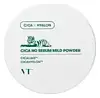 Key Ingredients
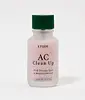
Benefits
Concerns
No concerns
Ingredients Side-by-side
Silica
Abrasive


Aluminum Starch Octenylsuccinate
Absorbent
Dimethicone/Vinyl Dimethicone Crosspolymer
Skin Conditioning
Mica
Cosmetic ColorantMethicone
Emollient
Silica Silylate
Emollient
Centella Asiatica Extract
Cleansing





Asiaticoside
Antioxidant
Asiatic Acid
Skin Conditioning
Madecassic Acid
Skin Conditioning
Madecassoside
Antioxidant
Caprylyl Glycol
Emollient
Ethylhexylglycerin
Skin ConditioningCalamine
AbsorbentCeramide NP
Skin Conditioning

Panthenol
Skin Conditioning
Water
Skin ConditioningButylene Glycol
Humectant
Calendula Officinalis Flower Extract
Masking
1,2-Hexanediol
Skin Conditioning
Tocopherol
Antioxidant


Sodium Hyaluronate
Humectant
Propolis Extract
Skin Conditioning

Silica, Aluminum Starch Octenylsuccinate, Dimethicone/Vinyl Dimethicone Crosspolymer, Mica, Methicone, Silica Silylate, Centella Asiatica Extract, Asiaticoside, Asiatic Acid, Madecassic Acid, Madecassoside, Caprylyl Glycol, Ethylhexylglycerin, Calamine, Ceramide NP, Panthenol, Water, Butylene Glycol, Calendula Officinalis Flower Extract, 1,2-Hexanediol, Tocopherol, Sodium Hyaluronate, Propolis Extract
Alcohol Denat.
Antimicrobial




Glycerin
Humectant
Calamine
AbsorbentChamaecyparis Obtusa Water
MaskingCI 77891
Cosmetic ColorantButylene Glycol
Humectant
Colloidal Sulfur
Antimicrobial
Alcohol
Antimicrobial
Portulaca Oleracea Extract
Skin Conditioning
Salicylic Acid
Masking

Water
Skin Conditioning1,2-Hexanediol
Skin Conditioning
Dipotassium Glycyrrhizate
Humectant
CI 77491
Cosmetic ColorantMelaleuca Alternifolia Leaf Oil
Antioxidant

Houttuynia Cordata Extract
Skin Conditioning
Silica
Abrasive
Madecassoside
Antioxidant
Ethylhexylglycerin
Skin ConditioningSaururus Chinensis Extract
Skin ConditioningAlcohol Denat., Glycerin, Calamine, Chamaecyparis Obtusa Water, CI 77891, Butylene Glycol, Colloidal Sulfur, Alcohol, Portulaca Oleracea Extract, Salicylic Acid, Water, 1,2-Hexanediol, Dipotassium Glycyrrhizate, CI 77491, Melaleuca Alternifolia Leaf Oil, Houttuynia Cordata Extract, Silica, Madecassoside, Ethylhexylglycerin, Saururus Chinensis Extract
Reviews
Ingredients Explained
These ingredients are found in both products.
Ingredients higher up in an ingredient list are typically present in a larger amount.
1,2-Hexanediol is a synthetic liquid and another multi-functional powerhouse.
It is a:
- Humectant, drawing moisture into the skin
- Emollient, helping to soften skin
- Solvent, dispersing and stabilizing formulas
- Preservative booster, enhancing the antimicrobial activity of other preservatives
Butylene Glycol (or BG) is used within cosmetic products for a few different reasons:
Overall, Butylene Glycol is a safe and well-rounded ingredient that works well with other ingredients.
Though this ingredient works well with most skin types, some people with sensitive skin may experience a reaction such as allergic rashes, closed comedones, or itchiness.
Learn more about Butylene GlycolCalamine is a "pink powder" that is used to calm itchy or irritated skin. In official medical standards, calamine is basically almost all zinc oxide with a tiny bit of iron oxide added for the pink color.
Lab testing requires that it’s at least 98% zinc oxide, which just means it has to be very pure and mostly zinc oxide.
In skincare, calamine can help relieve itches, calm skin, and absorb excess moisture/oil. This is why you'll often see it used for oozing rashes. Calamine is approved as a skin protectant active at 1-25% in US OTC drug products.
A big part of calamine's soothing effect comes from zinc oxide's protective properties. Since calamine can absorb excess moisture/oil, it might be drying for already dry skin types.
A review of topical medicament allergies notes that contact dermatitis from calamine isn't typically reported, but added actives in a formulation are known sensitizers.
Learn more about CalamineEthylhexylglycerin is created from glycerin. It is a multitasker ingredient that:
The CIR Expert Panel found minimal skin absorption or sensitization of any kind in a safety assessment. Though this ingredient is considered well-tolerated, a small number of cases of allergic dermatitis have been published since 2002. Just be sure to patch test if you are unsure.
Industry-reported use ranges from 8% in rinse-off products and 2% in leave-on formulations.
Learn more about EthylhexylglycerinMadecassoside is one of four active compounds found in Centella asiatica and is one of the main reasons Centella is so effective at calming irritated skin and supporting the moisture barrier.
There's a solid body of peer-reviewed research backing Madecassoside for several skin benefits. Studies have found:
Madecassoside pairs well with other hydrating or antioxidant ingredients like Ascorbic Acid or Hyaluronic Acid.
Learn more about MadecassosideSilica, also known as silicon dioxide, is a naturally occurring mineral. It is used as a fine, spherical, and porous powder in cosmetics.
Though it has exfoliant properties, the function of silica varies depending on the product.
The unique structure of silica enhances the spreadability and adds smoothness, making it a great texture enhancer.
It is also used as an active carrier, emulsifier, and mattifier due to its ability to absorb excess oil.
In some products, tiny microneedles called spicules are made from silica or hydrolyzed sponge. When you rub them in, they lightly polish away dead skin layers and enhance the penetration of active ingredients.
Learn more about SilicaWater. It's the most common cosmetic ingredient of all. You'll usually see it at the top of ingredient lists, meaning that it makes up the largest part of the product.
So why is it so popular? Water most often acts as a solvent - this means that it helps dissolve other ingredients into the formulation.
You'll also recognize water as that liquid we all need to stay alive. If you see this, drink a glass of water. Remember to stay hydrated!
Learn more about Water

