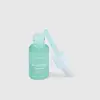
This oil-control serum is formulated around Niacinamide and Lactic Acid to balance excess oil and refine the look of pores.
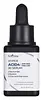
This smoothing serum is formulated around Gluconolactone and Lactic Acid to refine skin texture and clear breakouts.


What's inside
What's inside
 Key Ingredients
Benefits
Concerns
Ingredients Side-by-side
Water
Skin ConditioningGlycereth-26
Humectant
Glycerin
Humectant

Niacinamide
Smoothing









Acacia Senegal Gum Extract
Lactic Acid
Buffering



Polyacrylate Crosspolymer-6
Emulsion StabilisingPolysorbate 20
Emulsifying
Methylpropanediol
SolventPolysorbate 80
Emulsifying
4-Terpineol
Masking
Caesalpinia Spinosa Gum
Skin ConditioningSalix Alba Bark Extract
Astringent
Caprylyl Glycol
Emollient
Phenoxyethanol
Preservative
Potassium Sorbate
Preservative
Sodium Benzoate
Masking
Gluconolactone
Skin Conditioning
Calcium Gluconate
HumectantDisodium EDTA
Tetrasodium EDTA
Parfum
Masking

CI 42090
Cosmetic ColorantCI 19140
Cosmetic ColorantWater, Glycereth-26, Glycerin, Niacinamide, Acacia Senegal Gum Extract, Lactic Acid, Polyacrylate Crosspolymer-6, Polysorbate 20, Methylpropanediol, Polysorbate 80, 4-Terpineol, Caesalpinia Spinosa Gum, Salix Alba Bark Extract, Caprylyl Glycol, Phenoxyethanol, Potassium Sorbate, Sodium Benzoate, Gluconolactone, Calcium Gluconate, Disodium EDTA, Tetrasodium EDTA, Parfum, CI 42090, CI 19140
Water
Skin ConditioningGluconolactone
Skin Conditioning
Lactic Acid
Buffering
Methylpropanediol
SolventGlycolic Acid
Buffering
Potassium Hydroxide
Buffering1,2-Hexanediol
Skin Conditioning
Diethoxyethyl Succinate
SolventGlycerin
Humectant
Xanthan Gum
EmulsifyingPolyglyceryl-10 Laurate
Skin Conditioning
Acacia Senegal Gum
MaskingPolyglyceryl-10 Myristate
Skin Conditioning
Glyceryl Caprylate
EmollientNiacinamide
Smoothing
Salicylic Acid
Masking

Allantoin
Skin Conditioning
Disodium EDTA
Ethylhexylglycerin
Skin ConditioningPeat Water
Skin ConditioningCitric Acid
Buffering
Hydroxypropyl Methylcellulose
Emulsion StabilisingCapryloyl Salicylic Acid
Exfoliating
Butylene Glycol
Humectant
Potassium Sorbate
Preservative
Charcoal Powder
Abrasive
Water, Gluconolactone, Lactic Acid, Methylpropanediol, Glycolic Acid, Potassium Hydroxide, 1,2-Hexanediol, Diethoxyethyl Succinate, Glycerin, Xanthan Gum, Polyglyceryl-10 Laurate, Acacia Senegal Gum, Polyglyceryl-10 Myristate, Glyceryl Caprylate, Niacinamide, Salicylic Acid, Allantoin, Disodium EDTA, Ethylhexylglycerin, Peat Water, Citric Acid, Hydroxypropyl Methylcellulose, Capryloyl Salicylic Acid, Butylene Glycol, Potassium Sorbate, Charcoal Powder
Ingredients Explained
These ingredients are found in both products.
Ingredients higher up in an ingredient list are typically present in a larger amount.
Disodium EDTA is a chelating agent. It grabs onto and deactivates metal ions that sneak into your products from water, packaging, or air.
This ingredient mainly works behind the scenes and helps with:
On top of that, this ingredient can counteract the effects of hard water by binding to the minerals in it.
One thing worth knowing is that Disodium EDTA has been shown to be a mild penetration enhancer. It can help other ingredients absorb into skin more effectively which can be a double-edged sword (great for actives, but can also make the active too strong if you have sensitive skin).
Clinical patch testing showed no significant skin irritation at typical use concentrations and minimal dermal absorption.
You'll most likely see this ingredient near the end of an ingredient list. It's typically found in concentrations less than 1%.
Learn more about Disodium EDTAGluconolactone is a PHA. PHAs are a great gentle alternative to traditional AHAs.
When applied, Gluconolactone has the same affect on skin as AHAs such as lactic acid. It helps dissolve the dead skin cells in the top layer of your skin. This improves texture and brightens the skin.
PHAs are more gentle than AHAs due to their larger structure. They do not penetrate as deeply as AHAs and take a longer time to dissolve dead cells. Studies show PHAs do not cause as much irritation.
Gluconolactone has some interesting properties:
In a 2004 study, Gluconolactone was found to prevent UV damage in mouse skin cells and has not been found to increase sun sensitivity. However, we still recommend wearing SPF daily.
This ingredient is is an created by reacting gluconic acid with an alcohol.
Learn more about GluconolactoneGlycerin (or glycerol) is a compound naturally found in your skin. It's a powerhouse humectant that pulls water into the stratum corneum.
Topically, glycerin does several things at once:
Your skin makes glycerin on its own (mostly from sebaceous oil breakdown) and shuttles it to your outermost layer of skin, or your epidermis, via aquaporin-3.
Aquaporin-3 is a transporter that is essential for normal skin hydration, elasticity, and repair. Interestingly, mice lacking in AQP3 have dry and less elastic skin that can be fully corrected with glycerin.
This ingredient is non-irritating, plays well with almost every ingredient, and works across all skin types. Typical use is anywhere between 3-10% but can go up to 79% in some leave-on products.
Just know very high concentrations (>40%) can feel tacky in low humidity.
Glycerin is the name for this ingredient in American English. British English uses Glycerol/Glycerine.
Learn more about GlycerinLactic Acid is another well-loved alpha hydroxy acid (AHA). It is gentler than glycolic acid but still highly effective.
Its main role is to exfoliate the surface of the skin by loosening the “glue” that holds dead skin cells together. Shedding those old cells leads to smoother, softer, and more even-toned skin.
Because lactic acid molecules are larger than glycolic acid, they don’t penetrate as deeply. This means they’re less likely to sting or irritate, making it a great choice for beginners or those with sensitive skin.
Like glycolic acid, it can:
Lactic acid also acts as a humectant (like hyaluronic acid). It can draw water into the skin to improve hydration and also plays a role in the skin's natural moisturizing factor (NMF) in the form of sodium lactate.
Studies show it can boost ceramide production to strengthen the skin barrier and even help balance the skin’s microbiome.
To get results, choose products with a pH between 3-4.
Lower strengths (5-12%) focus on surface exfoliation; higher strengths (12% and up) can reach deeper in the dermis (deeper, supportive layer) to improve skin texture and firmness over time.
Though it was originally derived from milk, most modern lactic acid used in skincare is vegan. It is made through non-dairy fermentation to create a bio-identical and stable form suitable for all formulations.
When lactic acid shows up near the end of an ingredient list, it usually means the brand added just a tiny amount to adjust the product’s pH.
Legend has it that Cleopatra used to bathe in sour milk to help reduce wrinkles.
Lactic acid is truly a gentle multitasker: it exfoliates, hydrates, strengthens, and brightens. It's a great ingredient for giving your skin a smooth, glowing, and healthy look without the harshness of stronger acids.
Read more about some other popular AHA's here:
Learn more about Lactic AcidMethylpropanediol is a synthetic solvent and humectant.
As a solvent, it helps dissolve other ingredients, helping to evenly distribute ingredients throughout the product. This ingredient has also been shown to have antimicrobial properties which makes it a preservative booster.
Methylpropanediol is able to add a bit of moisture to the skin. It also helps other ingredients be better absorbed into the skin, such as salicylic acid.
Learn more about MethylpropanediolNiacinamide is a multitasking form of vitamin B3 that strengthens the skin barrier, reduces pores and dark spots, regulates oil, and improves signs of aging.
And the best part? It's gentle and well-tolerated by most skin types, including sensitive and reactive skin.
You might have heard of "niacin flush", or the reddening of skin that causes itchiness. Niacinamide has not been found to cause this.
In very rare cases, some individuals may not be able to tolerate niacinamide at all or experience an allergic reaction to it.
If you are experiencing flaking, irritation, and dryness with this ingredient, be sure to double check all your products as this ingredient can be found in all categories of skincare.
When incorporating niacinamide into your routine, look out for concentration amounts. Typically, 5% niacinamide provides benefits such as fading dark spots. However, if you have sensitive skin, it is better to begin with a smaller concentration.
When you apply niacinamide to your skin, your body converts it into nicotinamide adenine dinucleotide (NAD). NAD is an essential coenzyme that is already found in your cells as "fuel" and powers countless biological processes.
In your skin, NAD helps repair cell damage, produce new healthy cells, support collagen production, strengthen the skin barrier, and fight environmental stressors (like UV and pollution).
Our natural NAD levels start to decline with age, leading to slower skin repair, visible aging, and a weaker skin barrier. By providing your skin niacinamide, you're recharging your skin's NAD levels. This leads to stronger, healthier, and younger looking skin.
Another name for vitamin B3 is nicotinamide. This vitamin is water-soluble and our bodies don't store it. We obtain Vitamin B3 from either food or skincare. Meat, fish, wheat, yeast, and leafy greens contain vitamin B3.
The type of niacinamide used in skincare is synthetically created.
Learn more about NiacinamidePotassium Sorbate is a preservative used to prevent yeast and mold in products. It is commonly found in both cosmetic and food products.
This ingredient comes from potassium salt derived from sorbic acid. Sorbic acid is a natural antibiotic and effective against fungus.
Both potassium sorbate and sorbic acid can be found in baked goods, cheeses, dried meats, dried fruit, ice cream, pickles, wine, yogurt, and more.
You'll often find this ingredient used with other preservatives.
Learn more about Potassium SorbateWater. It's the most common cosmetic ingredient of all. You'll usually see it at the top of ingredient lists, meaning that it makes up the largest part of the product.
So why is it so popular? Water most often acts as a solvent - this means that it helps dissolve other ingredients into the formulation.
You'll also recognize water as that liquid we all need to stay alive. If you see this, drink a glass of water. Remember to stay hydrated!
Learn more about Water

