

What's inside
What's inside
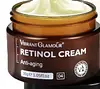 Key Ingredients
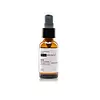
Benefits
Concerns
Ingredients Side-by-side
Glycerin
Humectant



Aloe Barbadensis Leaf Extract
Emollient

Tremella Fuciformis Polysaccharide
Emulsion Stabilising
Butyrospermum Parkii Butter
Skin Conditioning


Ascorbic Acid
Antioxidant





Retinol
Skin Conditioning



Acetyl Hexapeptide-8
Humectant
Arbutin
Antioxidant
Aminopropyl Ascorbyl Phosphate
Antioxidant
Glycyrrhiza Glabra Root Extract
Bleaching
Collagen
Moisturising
Trehalose
Humectant
Avena Sativa Bran
Abrasive
Beta-Glucan
Skin Conditioning
Citrus Aurantium Dulcis Fruit Extract
MaskingCeramide EOP
Skin Conditioning
Paeonia Albiflora Root Extract
Skin ConditioningTocopherol
Antioxidant
Sodium Hyaluronate
Humectant
Glycerin, Aloe Barbadensis Leaf Extract, Tremella Fuciformis Polysaccharide, Butyrospermum Parkii Butter, Ascorbic Acid, Retinol, Acetyl Hexapeptide-8, Arbutin, Aminopropyl Ascorbyl Phosphate, Glycyrrhiza Glabra Root Extract, Collagen, Trehalose, Avena Sativa Bran, Beta-Glucan, Citrus Aurantium Dulcis Fruit Extract, Ceramide EOP, Paeonia Albiflora Root Extract, Tocopherol, Sodium Hyaluronate
Water
Skin ConditioningAloe Barbadensis Leaf Juice
Skin Conditioning
Niacinamide
Smoothing
Propylene Glycol
Humectant
Tranexamic Acid
Astringent
Alpha-Arbutin
Antioxidant
Glycerin
Humectant
Cucumis Sativus Fruit Extract
Emollient
Glycyrrhiza Glabra Root Extract
Bleaching
Snail Secretion Filtrate
Skin Conditioning
Carica Papaya Fruit Extract
Skin ConditioningPhenoxyethanol
Preservative
Ethylhexylglycerin
Skin ConditioningHydroxyethylcellulose
Emulsion StabilisingSodium Hyaluronate
Humectant
Allantoin
Skin Conditioning
Water, Aloe Barbadensis Leaf Juice, Niacinamide, Propylene Glycol, Tranexamic Acid, Alpha-Arbutin, Glycerin, Cucumis Sativus Fruit Extract, Glycyrrhiza Glabra Root Extract, Snail Secretion Filtrate, Carica Papaya Fruit Extract, Phenoxyethanol, Ethylhexylglycerin, Hydroxyethylcellulose, Sodium Hyaluronate, Allantoin
Reviews
Alternatives
Ingredients Explained
These ingredients are found in both products.
Ingredients higher up in an ingredient list are typically present in a larger amount.
Glycerin is already naturally found in your skin. It helps moisturize and protect your skin.
A study from 2016 found glycerin to be more effective as a humectant than AHAs and hyaluronic acid.
As a humectant, it helps the skin stay hydrated by pulling moisture to your skin. The low molecular weight of glycerin allows it to pull moisture into the deeper layers of your skin.
Hydrated skin improves your skin barrier; Your skin barrier helps protect against irritants and bacteria.
Glycerin has also been found to have antimicrobial and antiviral properties. Due to these properties, glycerin is often used in wound and burn treatments.
In cosmetics, glycerin is usually derived from plants such as soybean or palm. However, it can also be sourced from animals, such as tallow or animal fat.
This ingredient is organic, colorless, odorless, and non-toxic.
Glycerin is the name for this ingredient in American English. British English uses Glycerol/Glycerine.
Learn more about GlycerinGlycyrrhiza Glabra Root Extract is an extract of the roots of Licorice. It has been found to have several benefits such as skin hydrating, conditioning, and soothing.
One component, glabridin, has extra potent antioxidant and soothing properties. It has also been found to block pigmentation from UVB rays in guinea pigs.
Licorice Root also contains a flavonoid. Flavonoids are a natural substance from in plants. Flavonoids also have antioxidant properties.
Another component, glycyrrhizin, has been found to have anti-inflammatory and antimicrobial benefits. This may make licorice root extract effective at treating acne. However, more research is needed to support this.
Liquiritin is one of the flavone compounds found in licorice. It has been found to help lighten skin by preventing tyrosinase from reacting with tyrosine. When the two react, protein is converted to melanin. Melanin is the substance in your body that gives your features pigmentation.
Learn more about Glycyrrhiza Glabra Root ExtractSodium Hyaluronate is hyaluronic acid's salt form. It is commonly derived from the sodium salt of hyaluronic acid.
Like hyaluronic acid, it is great at holding water and acts as a humectant. This makes it a great skin hydrating ingredient.
Sodium Hyaluronate is naturally occurring in our bodies and is mostly found in eye fluid and joints.
These are some other common types of Hyaluronic Acid:
Learn more about Sodium Hyaluronate
