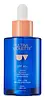
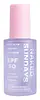
Ultra Violette Queen Screen Lightweight Skinscreen SPF50+ Versus Naked Sundays SPF50 Clear Glow Radiant Sunscreen Serum
This hybrid sunscreen covers the full UV range and blocks ~98% of UVB at SPF 50.
This hydrating serum is formulated around Simmondsia Chinensis Seed Oil and Citrullus Lanatus Seed Oil to hydrate skin.

What's inside
What's inside
 Key Ingredients
Benefits
Concerns
Ingredients Side-by-side
Water
Skin ConditioningCyclopentasiloxane
Emollient
Ethylhexyl Methoxycinnamate
UV Absorber


Cyclohexasiloxane
Emollient
Isostearyl Neopentanoate
Emollient

Ethylhexyl Salicylate
UV Absorber
Bis-Ethylhexyloxyphenol Methoxyphenyl Triazine
UV Absorber
Glycerin
Humectant


Lauryl PEG/PPG-18/18 Methicone
Skin Conditioning
Silica
Abrasive


Methylene Bis-Benzotriazolyl Tetramethylbutylphenol
UV Filter
Cetyl PEG/PPG-10/1 Dimethicone
Emulsifying
Cetyl Dimethicone
Emollient
Hydroxyacetophenone
Antioxidant
Polymethyl Methacrylate
Saccharide Isomerate
Humectant
Benzyl Alcohol
Perfuming




Phenoxyethanol
Preservative
Mica
Cosmetic ColorantParfum
Masking
Decyl Glucoside
Cleansing
Sodium Laureth Sulfate
Cleansing

Aminomethyl Propanol
BufferingTitanium Dioxide
Cosmetic Colorant
Terminalia Ferdinandiana Fruit Extract
Antioxidant
Propylene Glycol
Humectant
Xanthan Gum
EmulsifyingCitric Acid
Buffering

Sodium Chloride
MaskingGeraniol
Perfuming
Citronellol
Perfuming
Linalool
Perfuming
Eugenol
Perfuming
CI 77491
Cosmetic ColorantCI 77492
Cosmetic ColorantCI 77499
Cosmetic ColorantWater, Cyclopentasiloxane, Ethylhexyl Methoxycinnamate, Cyclohexasiloxane, Isostearyl Neopentanoate, Ethylhexyl Salicylate, Bis-Ethylhexyloxyphenol Methoxyphenyl Triazine, Glycerin, Lauryl PEG/PPG-18/18 Methicone, Silica, Methylene Bis-Benzotriazolyl Tetramethylbutylphenol, Cetyl PEG/PPG-10/1 Dimethicone, Cetyl Dimethicone, Hydroxyacetophenone, Polymethyl Methacrylate, Saccharide Isomerate, Benzyl Alcohol, Phenoxyethanol, Mica, Parfum, Decyl Glucoside, Sodium Laureth Sulfate, Aminomethyl Propanol, Titanium Dioxide, Terminalia Ferdinandiana Fruit Extract, Propylene Glycol, Xanthan Gum, Citric Acid, Sodium Chloride, Geraniol, Citronellol, Linalool, Eugenol, CI 77491, CI 77492, CI 77499



Reviews
Alternatives
Ingredients Explained
These ingredients are found in both products.
Ingredients higher up in an ingredient list are typically present in a larger amount.
Ethylhexyl Salicylate (also called Octisalate or Octyl Salicylate) is an oil-soluble organic UV filter that's been used in sunscreen since the 1950's.
It absorbs UVB light in the 280-320 nm range with a peak absorbance around 306 nm.
You'll often see it paired with other UV filters to boost overall SPF because octisalate is a fairly week filter on its own.
The reason you'll see it so often is because it can help solubilize and stabilize the trickier filters like oxybenzone and avobenzone.
Unlike these filters, octisalate has pretty good photostability and doesn't create skin-damaging free radicals when exposed to sunlight.
The fatty-alcohol part of the molecule also gives it a light, emollient feel so it doubles as a nice texture enhancer.
Usage levels vary around the world:
Safety-wise, this ingredient has a pretty reassuring track record. The EU's Scientific Committee on Consumer Products (SCCP) found very low skin penetration in human skin tests and negative results for irritation, phototoxicity, and photoallergy.
The real-world allergy risk is pretty low too; a 2012 European study of 1,031 people recorded only 2 reactions to it (a rate of 0.19%).
You might have seen scary headlines about sunscreen getting into your blood.
In 2019, the FDA found that several chemical filters can absorb through the skin and show up in the bloodstream at small but measurable levels.
Here's the important part: these tiny levels are just a cutoff the FDA uses to decide which ingredients need more testing and doesn't mean anything harmful was found.
The researchers were clear that the results are no reason to stop wearing sunscreen.
Learn more about Ethylhexyl SalicylateTerminalia Ferdinandiana Fruit Extract is from the Kakadu plum. The Kakadu plum is native to northern Australia. The Kakadu plum holds the record for having the highest amount of natural vitamin C.
This ingredient is an antioxidant. Antioxidants help fight free-radical molecules. Free-radical molecules are capable of damaging our cells and other genetic material. Antioxidants help stabilize free-radicals and thus may reduce the signs of aging.
The high vitamin C content of Kakadu plum also helps lighten skin. Vitamin C has been shown to block the process of skin darkening that leads to hyperpigmentation.
Kakadu plums have been used by indigenous cultures as medicine to help treat colds and as an antiseptic.
Learn more about Terminalia Ferdinandiana Fruit Extract

