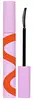
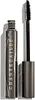
Tower 28 Beauty MakeWaves Lengthening + Volumizing Mascara Versus Chantecaille Faux Cils Longest Lash Mascara


What's inside
What's inside
 Key Ingredients
Benefits
Concerns
Ingredients Side-by-side
Water
Skin ConditioningCopernicia Cerifera Cera
Emollient

Glyceryl Stearate
Emollient
Hydrogenated Olive Oil Stearyl Esters
Emulsion Stabilising
Synthetic Wax
Abrasive

Vp/Va Copolymer
Stearic Acid
Cleansing
Helianthus Annuus Seed Wax
Skin Conditioning
Palmitic Acid
Emollient

Butylene Glycol
Humectant
Olea Europaea Oil Unsaponifiables
Skin Conditioning
Aminomethyl Propanol
BufferingRicinus Communis Seed Oil
Masking
1,2-Hexanediol
Skin Conditioning
Caprylyl Glycol
Emollient
Polyimide-1
Galactoarabinan

Rhus Succedanea Fruit Wax
Shorea Robusta Resin
TonicSodium Dehydroacetate
Preservative
Lecithin
Emollient
Tocopherol
Antioxidant




Ascorbyl Palmitate
Antioxidant

Citric Acid
Buffering
CI 77499
Cosmetic ColorantCI 77007
Cosmetic ColorantWater, Copernicia Cerifera Cera, Glyceryl Stearate, Hydrogenated Olive Oil Stearyl Esters, Synthetic Wax, Vp/Va Copolymer, Stearic Acid, Helianthus Annuus Seed Wax, Palmitic Acid, Butylene Glycol, Olea Europaea Oil Unsaponifiables, Aminomethyl Propanol, Ricinus Communis Seed Oil, 1,2-Hexanediol, Caprylyl Glycol, Polyimide-1, Galactoarabinan, Rhus Succedanea Fruit Wax, Shorea Robusta Resin, Sodium Dehydroacetate, Lecithin, Tocopherol, Ascorbyl Palmitate, Citric Acid, CI 77499, CI 77007
Water
Skin ConditioningSynthetic Beeswax
Emulsion Stabilising
Paraffin
Skin Conditioning
Stearic Acid
Cleansing
Acacia Senegal Gum
MaskingTriethanolamine
BufferingButylene Glycol
Humectant
Copernicia Cerifera Wax
Glyceryl Stearate
Emollient
Polybutene
Triacontanyl Pvp
HumectantPhenoxyethanol
Preservative
Hydroxyethylcellulose
Emulsion StabilisingPotassium Sorbate
Preservative
Sodium Dehydroacetate
Preservative
Ascorbyl Palmitate
Antioxidant
Tocopherol
Antioxidant
Glycerin
Humectant
Tourmaline
Rosa Damascena Flower Oil
Masking

1,2-Hexanediol
Skin Conditioning
Caprylyl Glycol
Emollient
Benzoic Acid
Masking
Myristoyl Pentapeptide-17
Skin Conditioning
Sodium Benzoate
Masking
CI 77491
Cosmetic ColorantWater, Synthetic Beeswax, Paraffin, Stearic Acid, Acacia Senegal Gum, Triethanolamine, Butylene Glycol, Copernicia Cerifera Wax, Glyceryl Stearate, Polybutene, Triacontanyl Pvp, Phenoxyethanol, Hydroxyethylcellulose, Potassium Sorbate, Sodium Dehydroacetate, Ascorbyl Palmitate, Tocopherol, Glycerin, Tourmaline, Rosa Damascena Flower Oil, 1,2-Hexanediol, Caprylyl Glycol, Benzoic Acid, Myristoyl Pentapeptide-17, Sodium Benzoate, CI 77491
Reviews
Ingredients Explained
These ingredients are found in both products.
Ingredients higher up in an ingredient list are typically present in a larger amount.
1,2-Hexanediol is a synthetic liquid and another multi-functional powerhouse.
It is a:
- Humectant, drawing moisture into the skin
- Emollient, helping to soften skin
- Solvent, dispersing and stabilizing formulas
- Preservative booster, enhancing the antimicrobial activity of other preservatives
Ascorbyl Palmitate is a fat-soluble form of vitamin C (Ascorbic Acid) made by combining it with palmitic acid.
It is able to blend easily into creams and oil-based formulas because it dissolves in oils rather than water.
As you may know, regular vitamin C is notorious for breaking down when exposed to sunlight and air. Ascorbyl Palmitate is more stable and degrades at a slower rate.
Research on whether it converts efficiently into active vitamin C once it's applied on your skin is still limited.
Some in-vitro studies suggest it may support collagen production, but it is not considered one of the stronger vitamin C derivatives, like:
Due to the palmitic acid base, this ingredient may not be fungal acne safe. Comedogenic studies have also shown this ingredient to have a rating of 2.
It's also worth keeping in mind that comedogenic and irritancy ratings are tested on individual ingredients, not finished formulas. The final product's formulation, concentration, and other ingredients all play a role in how something actually behaves on your skin.
Learn more about Ascorbyl PalmitateButylene Glycol (or BG) is used within cosmetic products for a few different reasons:
Overall, Butylene Glycol is a safe and well-rounded ingredient that works well with other ingredients.
Though this ingredient works well with most skin types, some people with sensitive skin may experience a reaction such as allergic rashes, closed comedones, or itchiness.
Learn more about Butylene GlycolCaprylyl Glycol is a humectant, skin conditioner, emollient, and preservative booster derived from either caprylic acid or synthetically created.
Typical use levels vary from 0.3-1% as a preservative booster and go up to 2% to condition skin.
Because it is not a free-fatty acid, this ingredient is fungal acne safe (there's nothing for Malassezia to feed on).
Learn more about Caprylyl GlycolGlyceryl Stearate is made by reacting glycerin with stearic acid (typically sourced from plant oils like palm or coconut). It's an emulsifier, emollient, and mild occlusive.
Emulsifiers help ingredients like oil and water stay mixed so your formula stays nicely blended and uniform in texture.
This ingredient is typically used in concentrations between 1-10%. Studies have found it to be non-sensitizing, non-phototoxic, and non-photoallergenic.
A close cousin of this ingredient is Glyceryl Stearate SE ("self-emulsifying"). This just has a small amount of sodium or potassium stearate added so it can emulsify without a co-emulsifier.
Since this ingredient is an ester of a C18 fatty acid, it may not be fungal acne safe. The Malassezia yeast can potentially metabolize within the C11-C24 range.
Fun fact: The human body also creates Glyceryl Stearate naturally.
Learn more about Glyceryl StearateSodium Dehydroacetate is a synthetic preservative and sodium salt form of dehydroacetic acid. It stops bacteria, mold, and yeast from growing in your products at low concentrations.
Clinical testing found it to be non-irritating, non-sensitizing, and non-photosensitizing. It's also not significantly absorbed through skin.
There are a very small number of reported cases of contact dermatitis in cases linked to wound-care creams used over compromised skin (rather than skincare).
Overall, this is a well-studied and low-risk preservative just doing its job.
Typical concentrations run up to 0.6%, which is also the maximum amount permitted under both EU CosIng regulations and US FDA guidelines.
Learn more about Sodium DehydroacetateStearic Acid is a fatty acid that is already found in your skin. It's one of the free fatty acids that works alongside ceramides and cholesterols to maintain your barrier.
In cosmetics, it is a multitasker:
Safety-wise, the CIR Expert Panel has concluded it to be safe in cosmetics when formulated to be non-irritating and non-sensitizing.
Free stearic acid is a C18 fatty acid that the Malassezia yeast can substrate, so this ingredient may not be fungal acne safe.
Learn more about Stearic AcidTocopherol is a fat-soluble antioxidant known as Vitamin E.
You'll find this ingredient in the vast majority of skincare (for good reason). It works to neutralize free radicals, or unstable molecules generated by UV exposure, pollution, and other environmental stressors, before they can cause oxidative damage to your skin cells.
Topically applied tocopherol has been shown to protect against UV damage by ramping up the skin's own natural defense enzymes.
It also acts as a skin conditioning agent; some studies show that regular topical use can improve the skin's water-binding capacity over 2-4 weeks.
This ingredient is especially loved for being a team player. When combined with Vitamin C, the photoprotective effect of both ingredients roughly doubles and the combo also helps reduce UV-induced DNA damage.
This ingredient has some brightening potential but it's more of a prevention ingredient than spot-fader. Cell studies show it can slow down melanin production but it's worth noting that it's not the most powerful brightener out there.
In formulations, it also serves as a stabilizer that helps protect other oxidation-prone ingredients from degrading.
Concentrations usually range from 0.1-1% in most leave-on products.
Learn more about TocopherolWater. It's the most common cosmetic ingredient of all. You'll usually see it at the top of ingredient lists, meaning that it makes up the largest part of the product.
So why is it so popular? Water most often acts as a solvent - this means that it helps dissolve other ingredients into the formulation.
You'll also recognize water as that liquid we all need to stay alive. If you see this, drink a glass of water. Remember to stay hydrated!
Learn more about Water

