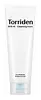
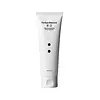
Torriden Dive-In Low Molecular Hyaluronic Acid Cleansing Foam Versus B.LAB Matcha Hydrating Foam Cleanser
This mild foaming cleanser is made to cleanse without leaving your skin tight or dry.
This mild foaming cleanser is made to cleanse without leaving your skin tight or dry.

What's inside
What's inside
 Key Ingredients
Benefits
Concerns
No concerns
Ingredients Side-by-side
Water
Skin ConditioningGlycerin
Humectant


Sodium Cocoyl Glycinate
Cleansing
Sodium Lauroyl Glutamate
SurfactantSodium Hyaluronate
Humectant


Hyaluronic Acid
Humectant
Hydrolyzed Hyaluronic Acid
Humectant
Sodium Acetylated Hyaluronate
Humectant
Hydroxypropyltrimonium Hyaluronate
Hydrolyzed Sodium Hyaluronate
Skin Conditioning
Sodium Hyaluronate Crosspolymer
Humectant
Potassium Hyaluronate
Skin ConditioningPanthenol
Skin Conditioning
Allantoin
Skin Conditioning
Trehalose
Humectant
Tocopherol
Antioxidant



Hamamelis Virginiana Extract
Antiseborrhoeic



Camellia Sinensis Leaf Extract
Antimicrobial

Chamomilla Recutita Extract
Skin Conditioning
Butylene Glycol
Humectant
Dipropylene Glycol
HumectantHydroxypropyl Starch Phosphate
Glyceryl Stearate Se
Emulsifying


Potassium Benzoate
Preservative
Sodium Chloride
MaskingPolyquaternium-67
Sodium Acetate
Buffering1,2-Hexanediol
Skin Conditioning
Citric Acid
Buffering
Ethylhexylglycerin
Skin ConditioningDisodium EDTA
ChelatingMalachite Extract
Antioxidant
Water, Glycerin, Sodium Cocoyl Glycinate, Sodium Lauroyl Glutamate, Sodium Hyaluronate, Hyaluronic Acid, Hydrolyzed Hyaluronic Acid, Sodium Acetylated Hyaluronate, Hydroxypropyltrimonium Hyaluronate, Hydrolyzed Sodium Hyaluronate, Sodium Hyaluronate Crosspolymer, Potassium Hyaluronate, Panthenol, Allantoin, Trehalose, Tocopherol, Hamamelis Virginiana Extract, Camellia Sinensis Leaf Extract, Chamomilla Recutita Extract, Butylene Glycol, Dipropylene Glycol, Hydroxypropyl Starch Phosphate, Glyceryl Stearate Se, Potassium Benzoate, Sodium Chloride, Polyquaternium-67, Sodium Acetate, 1,2-Hexanediol, Citric Acid, Ethylhexylglycerin, Disodium EDTA, Malachite Extract
Water
Skin ConditioningGlycerin
Humectant
Sodium Cocoyl Glycinate
Cleansing
Sodium Lauroyl Glutamate
Surfactant1,2-Hexanediol
Skin Conditioning
Betaine
Humectant
Hydroxypropyl Starch Phosphate
Camellia Sinensis Leaf Extract
Antimicrobial
Melia Azadirachta Leaf Extract
Skin ConditioningLaminaria Japonica Extract
Skin Protecting
Melia Azadirachta Flower Extract
Skin ConditioningEclipta Prostrata Leaf Extract
Skin ConditioningUlmus Davidiana Root Extract
Skin Conditioning
Ficus Carica Fruit Extract
Humectant
Centella Asiatica Extract
Cleansing
Amaranthus Caudatus Seed Extract
Skin Conditioning
Hydrogenated Lecithin
Emulsifying
Lauryl Betaine
CleansingButylene Glycol
Humectant
Camellia Sinensis Leaf Powder
Sodium Chloride
MaskingPolyquaternium-39
Decylene Glycol
Skin ConditioningAllantoin
Skin Conditioning
Dipropylene Glycol
HumectantFructan
Skin ConditioningFructooligosaccharides
Humectant
Beta-Glucan
Skin Conditioning
Ceramide NP
Skin Conditioning
Tocopherol
Antioxidant
Hydrolyzed Hyaluronic Acid
Humectant
Hydroxyacetophenone
Antioxidant
Ethylhexylglycerin
Skin ConditioningSodium Benzoate
Masking
Water, Glycerin, Sodium Cocoyl Glycinate, Sodium Lauroyl Glutamate, 1,2-Hexanediol, Betaine, Hydroxypropyl Starch Phosphate, Camellia Sinensis Leaf Extract, Melia Azadirachta Leaf Extract, Laminaria Japonica Extract, Melia Azadirachta Flower Extract, Eclipta Prostrata Leaf Extract, Ulmus Davidiana Root Extract, Ficus Carica Fruit Extract, Centella Asiatica Extract, Amaranthus Caudatus Seed Extract, Hydrogenated Lecithin, Lauryl Betaine, Butylene Glycol, Camellia Sinensis Leaf Powder, Sodium Chloride, Polyquaternium-39, Decylene Glycol, Allantoin, Dipropylene Glycol, Fructan, Fructooligosaccharides, Beta-Glucan, Ceramide NP, Tocopherol, Hydrolyzed Hyaluronic Acid, Hydroxyacetophenone, Ethylhexylglycerin, Sodium Benzoate
Reviews
Ingredients Explained
These ingredients are found in both products.
Ingredients higher up in an ingredient list are typically present in a larger amount.
1,2-Hexanediol is a synthetic liquid and another multi-functional powerhouse.
It is a:
- Humectant, drawing moisture into the skin
- Emollient, helping to soften skin
- Solvent, dispersing and stabilizing formulas
- Preservative booster, enhancing the antimicrobial activity of other preservatives
Allantoin is a soothing ingredient known for its protective and moisturizing properties; it's basically a quiet workhorse ingredient you can find in a huge range of cosmetics.
Though it can be derived from the comfrey plant, allantoin is produced synthetically for cosmetic products to ensure purity.
Research shows it can encourage your skin cells to turn over and renew by stimulating keratinocyte and fibroblast proliferation.
It also has mild keratolytic properties to help loosen and shed dead skin cells without being harsh.
Studies also suggest allantoin can help calm inflammation by dialing down some of the chemical signals your skin sends out when it is irritated.
This ingredient is typically used in the 0.1-0.5% range, and the FDA recognizes it as a skin protectant in OTC products up to 2%.
Overall, allantoin is a wonderful addition to most routines; it is stable across a wide pH range (~4-8), works well with other ingredients, and is considered non-sensitizing/non-irritating.
Fun fact: Allantoin is naturally occurring in comfrey root, beets, chamomile, and wheat sprouts. Our bodies even produce it as a byproduct of uric acid metabolism.
Learn more about AllantoinButylene Glycol (or BG) is used within cosmetic products for a few different reasons:
Overall, Butylene Glycol is a safe and well-rounded ingredient that works well with other ingredients.
Though this ingredient works well with most skin types, some people with sensitive skin may experience a reaction such as allergic rashes, closed comedones, or itchiness.
Learn more about Butylene GlycolCamellia Sinensis Leaf Extract (tea extract) is one of the most well-researched plant extracts in skincare with an impressive resume.
Black tea, green tea, and oolong tea are all harvested from the Camellia Sinensis plant.
Studies show green tea extract and its catechins (like epigallocatechin gallate (EGCG)) help your skin cells product energy more efficiently and reducing the number of free-radicals that can damage your skin from the inside.
In lab-grown skin models, this translated to younger, healthier, and stronger skin.
There's also good sun protection data; researchers saw less DNA damage and redness on human skin when green tea was applied before UVB exposure. And the more they applied, the better the protection.
Needless to say, this ingredient shouldn't replace your sunscreen. But it is a great supportive ingredient that you can already find in many sunscreens and antioxidant serums.
A 2009 study found a 2% green tea lotion was effective for mild-to-moderate acne thanks to its anti-inflammatory and mild antimicrobial activity.
The quality of the extract matters a lot here:
Good extracts contain 50-90% catechins while lower quality ones are mostly there for marketing. We recommend reaching out to the brand if you have questions about the quality or source of their ingredients.
Human Repeated Insult Patch Testing showed no irritation or sensitization at use concentrations (0.86% in leave-on products and up to 30% as leaf water).
Learn more about Camellia Sinensis Leaf ExtractDipropylene Glycol is a synthetically created humectant, stabilizer, and solvent.
This ingredient helps:
Dipropylene glycol is technically an alcohol, but it belongs to the glycol family (often considered part of the ‘good’ alcohols). This means it is hydrating and gentle on skin unlike drying solvent alcohols like denatured alcohol.
As a masking agent, Dipropylene Glycol can be used to cover the smell of other ingredients. However, it does not have a scent.
Studies show Dipropylene Glycol is considered safe to use in skincare.
Learn more about Dipropylene GlycolEthylhexylglycerin is created from glycerin. It is a multitasker ingredient that:
The CIR Expert Panel found minimal skin absorption or sensitization of any kind in a safety assessment. Though this ingredient is considered well-tolerated, a small number of cases of allergic dermatitis have been published since 2002. Just be sure to patch test if you are unsure.
Industry-reported use ranges from 8% in rinse-off products and 2% in leave-on formulations.
Learn more about EthylhexylglycerinGlycerin (or glycerol) is a compound naturally found in your skin. It's a powerhouse humectant that pulls water into the stratum corneum.
Topically, glycerin does several things at once:
Your skin makes glycerin on its own (mostly from sebaceous oil breakdown) and shuttles it to your outermost layer of skin, or your epidermis, via aquaporin-3.
Aquaporin-3 is a transporter that is essential for normal skin hydration, elasticity, and repair. Interestingly, mice lacking in AQP3 have dry and less elastic skin that can be fully corrected with glycerin.
This ingredient is non-irritating, plays well with almost every ingredient, and works across all skin types. Typical use is anywhere between 3-10% but can go up to 79% in some leave-on products.
Just know very high concentrations (>40%) can feel tacky in low humidity.
Glycerin is the name for this ingredient in American English. British English uses Glycerol/Glycerine.
Learn more about GlycerinHydrolyzed Hyaluronic Acid is hyaluronic acid (HA) that is broken down into lower molecular weight fragments.
It's a humectant that pulls and holds water in the skin to help with hydration, plumpness, and reduce transepidermal water loss.
Because hydrolyzed hyaluronic acid is smaller in size, it can slip past your outermost layer of skin more easily than full-sized HA.
Most formulations will combine all sizes to get the best of both worlds.
Typical usage levels range from 0.01-1%. Any percentage higher than 2% might become goopy and tacky.
Learn more about Hydrolyzed Hyaluronic AcidHydroxypropyl Starch Phosphate is a modified starch used to help thicken a product.
It is also used in foods.
Chances are, you eat sodium chloride every day. Sodium Chloride is also known as table salt. This ingredient has many purposes in skincare: thickener, emulsifier, and exfoliator.
You'll most likely find this ingredient in cleansers where it is used to create a gel-like texture. As an emulsifier, it also prevents ingredients from separating.
You might see people debate whether Sodium Chloride is comedogenic, but there actually haven't been any comedogenic tests done on it. Either way, the overall formulation of a product matters a lot more than any single ingredient.
You might see this ingredient used in scrubs as a primary exfoliating ingredient.
Learn more about Sodium ChlorideSodium Cocoyl Glycinate is a cleansing agent. It can be naturally derived or synthetically-created.
As a surfactant, it helps clean your skin by gathering dirt, oil, and other pollutants to be rinsed away more easily.
Sodium Lauroyl Glutamate is an amino-acid based mild surfactant that is used in formulas as a primary or secondary cleansing agent. This means it helps lift away oil, dirt, and makeup.
You'll see this ingredient in facial cleansers, shampoos, and even toothpaste because it foams reasonably well while being much gentler than harsher surfactants like SLS.
A study comparing surfactant mixtures found that Sodium Lauroyl Glutamate caused visibly less disruption to skin lipid structure and less irritation than SLS when tested on human subjects; this correlated with the data from in vivo results as well.
The Tenside, Surfactants, Detergents cosmetics industry journal has also concluded that amino acid based surfactants are generally milder than their corresponding alkyl sulfate counterparts. They also stated glutamates in particular are considered one of the gentler options in the category.
The Cosmetic Ingredient Review (CIR) Expert Panel has reviewed dermal irritation and sensitization data for this ingredient at the highest reported use concentration and concluded it to be safe in present practices.
Typical use concentrations tend to run low (generally less than 10%) though the CIR's review noted the highest reported use concentration was 40% as a raw material blend (and not a diluted finished cosmetic product).
Learn more about Sodium Lauroyl GlutamateTocopherol is a fat-soluble antioxidant known as Vitamin E.
You'll find this ingredient in the vast majority of skincare (for good reason). It works to neutralize free radicals, or unstable molecules generated by UV exposure, pollution, and other environmental stressors, before they can cause oxidative damage to your skin cells.
Topically applied tocopherol has been shown to protect against UV damage by ramping up the skin's own natural defense enzymes.
It also acts as a skin conditioning agent; some studies show that regular topical use can improve the skin's water-binding capacity over 2-4 weeks.
This ingredient is especially loved for being a team player. When combined with Vitamin C, the photoprotective effect of both ingredients roughly doubles and the combo also helps reduce UV-induced DNA damage.
This ingredient has some brightening potential but it's more of a prevention ingredient than spot-fader. Cell studies show it can slow down melanin production but it's worth noting that it's not the most powerful brightener out there.
In formulations, it also serves as a stabilizer that helps protect other oxidation-prone ingredients from degrading.
Concentrations usually range from 0.1-1% in most leave-on products.
Learn more about TocopherolWater. It's the most common cosmetic ingredient of all. You'll usually see it at the top of ingredient lists, meaning that it makes up the largest part of the product.
So why is it so popular? Water most often acts as a solvent - this means that it helps dissolve other ingredients into the formulation.
You'll also recognize water as that liquid we all need to stay alive. If you see this, drink a glass of water. Remember to stay hydrated!
Learn more about Water

