
What's inside
What's inside
 Key Ingredients
Benefits
Concerns
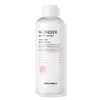
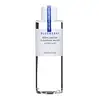
Ingredients Side-by-side
Water
Skin ConditioningDipropylene Glycol
HumectantGlycerin
Humectant



Pentaerythrityl Tetraisostearate
Emollient
Glycereth-26
Humectant
1,2-Hexanediol
Skin Conditioning
Macadamia Ternifolia Seed Oil
Emollient
Phenyl Trimethicone
Skin Conditioning
Hydroxyethyl Acrylate/Sodium Acryloyldimethyl Taurate Copolymer
Emulsion StabilisingStyrene/Vp Copolymer
Ethylhexylglycerin
Skin ConditioningCentella Asiatica Extract
Cleansing


Acrylates/C10-30 Alkyl Acrylate Crosspolymer
Emulsion StabilisingTromethamine
BufferingCaprylic/Capric Triglyceride
Masking
Allantoin
Skin Conditioning
Hydrogenated Lecithin
Emulsifying
Propanediol
Solvent
Panthenol
Skin Conditioning
Phytosteryl/Octyldodecyl Lauroyl Glutamate
Skin ConditioningCeramide NP
Skin Conditioning
Sodium Hyaluronate
Humectant
Aniba Rosodora Wood Oil
Astringent
Citrus Limon Peel Oil
Masking


Disodium EDTA
Linalool
Perfuming

Limonene
Perfuming
Water, Dipropylene Glycol, Glycerin, Pentaerythrityl Tetraisostearate, Glycereth-26, 1,2-Hexanediol, Macadamia Ternifolia Seed Oil, Phenyl Trimethicone, Hydroxyethyl Acrylate/Sodium Acryloyldimethyl Taurate Copolymer, Styrene/Vp Copolymer, Ethylhexylglycerin, Centella Asiatica Extract, Acrylates/C10-30 Alkyl Acrylate Crosspolymer, Tromethamine, Caprylic/Capric Triglyceride, Allantoin, Hydrogenated Lecithin, Propanediol, Panthenol, Phytosteryl/Octyldodecyl Lauroyl Glutamate, Ceramide NP, Sodium Hyaluronate, Aniba Rosodora Wood Oil, Citrus Limon Peel Oil, Disodium EDTA, Linalool, Limonene
Water
Skin ConditioningDipropylene Glycol
HumectantC12-14 Pareth-12
EmulsifyingSodium Citrate
BufferingButylene Glycol
Humectant
Ethylhexylglycerin
Skin ConditioningCitric Acid
Buffering



Disodium EDTA
Houttuynia Cordata Extract
Skin Conditioning
Lavandula Angustifolia Oil
Masking
Citrus Aurantium Dulcis Peel Oil
Masking
Salvia Hispanica Seed Extract
EmollientCentella Asiatica Extract
Cleansing
Propanediol
Solvent
Vaccinium Angustifolium Fruit Extract
Skin Protecting
Ceramide AP
Skin Conditioning
Limonene
Perfuming
Water, Dipropylene Glycol, C12-14 Pareth-12, Sodium Citrate, Butylene Glycol, Ethylhexylglycerin, Citric Acid, Disodium EDTA, Houttuynia Cordata Extract, Lavandula Angustifolia Oil, Citrus Aurantium Dulcis Peel Oil, Salvia Hispanica Seed Extract, Centella Asiatica Extract, Propanediol, Vaccinium Angustifolium Fruit Extract, Ceramide AP, Limonene
Reviews
Ingredients Explained
These ingredients are found in both products.
Ingredients higher up in an ingredient list are typically present in a larger amount.
Centella Asiatica Extract (Centella) is derived from an herb native to Southeast Asia. It is famous for its anti-inflammatory and soothing properties.
Centella is rich in antioxidants and amino acids, such as Madecassic Acid and Asiaticoside.
Studies show the compounds in centella help with:
The combination of all these properties makes centella effective at soothing, hydrating, and protecting the skin.
Other great components of centella include Vitamin A, vitamin C, several B vitamins, and Asiatic Acid.
Fun fact: Centella has been used as a medicine and in food for many centuries. As a medicine, it is used to treat burns, scratches, and wounds.
Learn more about Centella Asiatica ExtractDipropylene Glycol is a synthetically created humectant, stabilizer, and solvent.
This ingredient helps:
Dipropylene glycol is technically an alcohol, but it belongs to the glycol family (often considered part of the ‘good’ alcohols). This means it is hydrating and gentle on skin unlike drying solvent alcohols like denatured alcohol.
As a masking agent, Dipropylene Glycol can be used to cover the smell of other ingredients. However, it does not have a scent.
Studies show Dipropylene Glycol is considered safe to use in skincare.
Learn more about Dipropylene GlycolDisodium EDTA plays a role in making products more stable by aiding other preservatives.
It is a chelating agent, meaning it neutralizes metal ions that may be found in a product.
Disodium EDTA is a salt of edetic acid and is found to be safe in cosmetic ingredients.
Learn more about Disodium EDTAEthylhexylglycerin (we can't pronounce this either) is commonly used as a preservative and skin softener. It is derived from glyceryl.
You might see Ethylhexylglycerin often paired with other preservatives such as phenoxyethanol. Ethylhexylglycerin has been found to increase the effectiveness of these other preservatives.
Limonene is a fragrance that adds scent and taste to a formulation.
It's found in the peel oil of citrus fruits and other plants such as lavender and eucalyptus. The scent of limonene is generally described as "sweet citrus".
Limonene acts as an antioxidant, meaning it helps neutralize free radicals.
When exposed to air, oxidized limonene may sensitize the skin. Because of this, limonene is often avoided by people with sensitive skin.
The term 'fragrance' is not regulated in many countries. In many cases, it is up to the brand to define this term. For instance, many brands choose to label themselves as "fragrance-free" because they are not using synthetic fragrances. However, their products may still contain ingredients such as essential oils that are considered a fragrance.
Learn more about LimonenePropanediol is an all-star ingredient. It softens, hydrates, and smooths the skin.
It’s often used to:
Propanediol is not likely to cause sensitivity and considered safe to use. It is derived from corn or petroleum with a clear color and no scent.
Learn more about PropanediolWater. It's the most common cosmetic ingredient of all. You'll usually see it at the top of ingredient lists, meaning that it makes up the largest part of the product.
So why is it so popular? Water most often acts as a solvent - this means that it helps dissolve other ingredients into the formulation.
You'll also recognize water as that liquid we all need to stay alive. If you see this, drink a glass of water. Stay hydrated!
Learn more about Water
