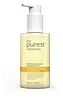
This salicylic acid gel cleanser is formulated around Salicylic Acid to clear breakouts and unclog pores.
This mild gel cleanser is mild enough to cleanse without leaving skin feeling tight or stripped.

What's inside
What's inside
 Key Ingredients
Benefits
Concerns
Ingredients Side-by-side
Water
Skin ConditioningDisodium Laureth Sulfosuccinate
CleansingCocamidopropyl Betaine
Cleansing



Lauryl Glucoside
CleansingSodium C14-16 Olefin Sulfonate
Cleansing
Disodium Cocoamphodiacetate
CleansingPhenethyl Alcohol
MaskingNiacinamide
Smoothing











Pentylene Glycol
Skin Conditioning
PEG/PPG-120/10 Trimethylolpropane Trioleate

Laureth-2
Cleansing1,2-Hexanediol
Skin Conditioning
Salicylic Acid
Masking


Rosmarinus Officinalis Leaf Extract
AntimicrobialCamellia Sinensis Leaf Extract
Antimicrobial
Sodium Hyaluronate Crosspolymer
Humectant
Sodium Hyaluronate
Humectant
Sodium Acetylated Hyaluronate
Humectant
Hydrolyzed Sodium Hyaluronate
Skin Conditioning
Ethylhexylglycerin
Skin ConditioningSodium PCA
Humectant
Panthenol
Skin Conditioning
Zinc PCA
Humectant
Aloe Barbadensis Leaf Juice
Skin Conditioning
Water, Disodium Laureth Sulfosuccinate, Cocamidopropyl Betaine, Lauryl Glucoside, Sodium C14-16 Olefin Sulfonate, Disodium Cocoamphodiacetate, Phenethyl Alcohol, Niacinamide, Pentylene Glycol, PEG/PPG-120/10 Trimethylolpropane Trioleate, Laureth-2, 1,2-Hexanediol, Salicylic Acid, Rosmarinus Officinalis Leaf Extract, Camellia Sinensis Leaf Extract, Sodium Hyaluronate Crosspolymer, Sodium Hyaluronate, Sodium Acetylated Hyaluronate, Hydrolyzed Sodium Hyaluronate, Ethylhexylglycerin, Sodium PCA, Panthenol, Zinc PCA, Aloe Barbadensis Leaf Juice
Water
Skin ConditioningDisodium Laureth Sulfosuccinate
CleansingLauryl Glucoside
CleansingCocamidopropyl Betaine
Cleansing
Glycerin
Humectant
Coco-Glucoside
Cleansing
Glyceryl Oleate
Emollient

Melaleuca Alternifolia Leaf Oil
Antioxidant

Sodium PCA
Humectant
Panthenol
Skin Conditioning
Polysorbate 20
Emulsifying
Bisabolol
Antioxidant
PEG/PPG-120/10 Trimethylolpropane Trioleate
Laureth-2
CleansingTocopherol
Antioxidant
Hydrogenated Palm Glycerides Citrate
Emollient
Aloe Barbadensis Leaf Juice
Skin Conditioning
Sodium Benzoate
Masking
Potassium Sorbate
Preservative
Alpha-Glucan Oligosaccharide
Cleansing
Phenoxyethanol
Preservative
Benzoic Acid
Masking
Citric Acid
Buffering
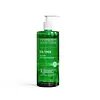
Water, Disodium Laureth Sulfosuccinate, Lauryl Glucoside, Cocamidopropyl Betaine, Glycerin, Coco-Glucoside, Glyceryl Oleate, Melaleuca Alternifolia Leaf Oil, Sodium PCA, Panthenol, Polysorbate 20, Bisabolol, PEG/PPG-120/10 Trimethylolpropane Trioleate, Laureth-2, Tocopherol, Hydrogenated Palm Glycerides Citrate, Aloe Barbadensis Leaf Juice, Sodium Benzoate, Potassium Sorbate, Alpha-Glucan Oligosaccharide, Phenoxyethanol, Benzoic Acid, Citric Acid
Reviews
Ingredients Explained
These ingredients are found in both products.
Ingredients higher up in an ingredient list are typically present in a larger amount.
Aloe Barbadensis Leaf Juice is the filtered, stabilized liquid pressed from the inner gel of the aloe vera leaf.
In cosmetics, it shows up as either soothing active or a water-replacement base. It is roughly 98-99% water and the last 1-2% is an interesting mix of polysaccharides, amino acids, vitamins, minerals, and enzymes.
The polysaccharides do most of the work: they bind water at the skin surface for a light, non-greasy hydration boost. And one of the polysaccharides, glycomannan, is linked to fibroblast stimulation + collagen synthesis. This is also why aloe has such a long track record in wound and burn healing.
This ingredient is also calming with anti-inflammatory and mild antimicrobial activity, making it a great pick for sensitive, irritated, or post-sun skin.
Realistic expectations matter though; the solid evidence is mostly limited to hydration, soothing, and wound support. Deeper claims about anti-aging or sun protection are not well backed, and science reviews note it does not prevent radiation-induced skin injury.
Because it plays well with almost everything, it's commonly used as a base alongside other actives like niacinamide or vitamin C.
Typical usage concentrations range from 0.5% (where hydration benefits already show up) all the way to 90%+ (where it replaces water as the main base).
The safety for this ingredient is well-establish as well. Overall, this is a great supporting ingredient for those who want a boost in hydration.
Learn more about Aloe Barbadensis Leaf JuiceCocamidopropyl Betaine is a fatty acid created by mixing similar compounds in coconut oil and dimethylaminopropylamine, a compound with two amino groups.
This ingredient is a surfactant and cleanser. It helps gather the dirt, pollutants, and other impurities in your skin to be washed away. It also helps thicken a product and make the texture more creamy.
Being created from coconut oil means Cocamidopropyl Betaine is hydrating for the skin.
While Cocamidopropyl Betaine was believed to be an allergen, a study from 2012 disproved this. It found two compounds in unpure Cocamidopropyl Betaine to be the irritants: aminoamide and 3-dimethylaminopropylamine. High-grade and pure Cocamidopropyl Betaine did not induce allergic reactions during this study.
Learn more about Cocamidopropyl BetaineThis ingredient is a cleansing agent, surfactant, and foam booster. It considered an alternative to traditional sulfates (Sulfosuccinate) and is allowed in "sulfate-free" products.
According to a manufacturer, this ingredient is mild and can be used in baby and bath options.
Laureth-2 is a synthetic surfactant that has cleansing and emulsifying properties. It is commonly used to blend oil and water, help improve cleansing, and add foam.
Like other surfactants, laureth-2 works by reducing surface tension to help dirt, sebum, and other impurities be washed away easily.
This ingredient has low risk of irritation when properly formulated. However, some individuals with sensitive skin may still experience mild irritation.
Learn more about Laureth-2Lauryl Glucoside sugar- and lipid-based cleansing agent. It is created from glucose and lauryl alcohol.
This ingredient is a surfactant, making it easier to rinse oil, dirt, and other pollutants away.
A British study found lauryl glucoside to cause skin sensitivity for some people. We recommend speaking with a professional if you have concerns.
Other names for this ingredient include "Lauryl Polyglucose", "Lauryl glycoside", and "D-Glucopyranoside".
Learn more about Lauryl GlucosidePanthenol is a common ingredient that helps hydrate and soothe the skin. It is found naturally in our skin and hair.
There are two forms of panthenol: D and L.
D-panthenol is also known as dexpanthenol. Most cosmetics use dexpanthenol or a mixture of D and L-panthenol.
Panthenol is famous due to its ability to go deeper into the skin's layers. Using this ingredient has numerous pros (and no cons):
Like hyaluronic acid, panthenol is a humectant. Humectants are able to bind and hold large amounts of water to keep skin hydrated.
This ingredient works well for wound healing. It works by increasing tissue in the wound and helps close open wounds.
Once oxidized, panthenol converts to pantothenic acid. Panthothenic acid is found in all living cells.
This ingredient is also referred to as pro-vitamin B5.
Learn more about PanthenolPEG/PPG-120/10 Trimethylolpropane Trioleate isn't fungal acne safe.
Sodium PCA (the salt of PCA) is one of the most well-established humectants in skincare.
Why is it so special? Your skin already makes it naturally; it's a natural component of your skin's Natural Moisturizing Factor (NMF), or the mix of water-binding compounds inside your skin cells that keeps things soft and hydrated.
As a cosmetic ingredient, it grabs water and holds it in the upper layers of skin to smooth roughness and ease dehydration.
There's some clinical support for the NMF approach with a study showing that a cream built to mimic the skin's NMF significantly boosted hydration.
Safety-wise, this ingredient non-irritating, non-comedogenic, and non-phototoxic in testing, with minimal skin absorption.
It also works really well with other hydrators like glycerin or hyaluronic acid, and typical usage is somewhere between 0.2-4%.
Learn more about Sodium PCAWater. It's the most common cosmetic ingredient of all. You'll usually see it at the top of ingredient lists, meaning that it makes up the largest part of the product.
So why is it so popular? Water most often acts as a solvent - this means that it helps dissolve other ingredients into the formulation.
You'll also recognize water as that liquid we all need to stay alive. If you see this, drink a glass of water. Remember to stay hydrated!
Learn more about Water

