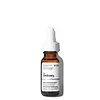
This anti-aging eye moisturizer is formulated around Niacinamide and Palmitoyl Tripeptide-38 to soften the look of wrinkles and fade the look of dark spots.
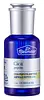
This calming ampoule is formulated around Madecassoside and Beta-Glucan to calm redness and strengthen the skin barrier.


What's inside
What's inside
 Key Ingredients
Benefits
Concerns
Ingredients Side-by-side
Water
Skin ConditioningGlycerin
Humectant


Butylene Glycol
Humectant
Propanediol
Solvent
Dipropylene Glycol
HumectantAcetyl Glucosamine
Skin Conditioning


Niacinamide
Smoothing






Palmitoyl Tripeptide-38
Skin Conditioning
Acetyl Tetrapeptide-5
Humectant
Myristoyl Nonapeptide-3
Skin Conditioning
Dipeptide Diaminobutyroyl Benzylamide Diacetate
Skin Conditioning
Caffeine
Skin Conditioning
Epigallocatechin Gallatyl Glucoside
Antioxidant
Gallyl Glucoside
Antioxidant
Fraxinus Excelsior Bark Extract
Skin ConditioningSilanetriol
Arginine
Masking
Pentylene Glycol
Skin Conditioning
Hydroxymethoxyphenyl Decanone
Skin ConditioningPropyl Gallate
Antioxidant


Maltodextrin
Absorbent
Hydroxypropyl Cyclodextrin
MaskingHydroxyethylcellulose
Emulsion StabilisingXanthan Gum
EmulsifyingCitric Acid
Buffering

Glycolic Acid
Buffering
Sodium Citrate
BufferingPolysorbate 20
Emulsifying
Trisodium Ethylenediamine Disuccinate
ChelatingDehydroacetic Acid
Preservative
Ethylhexylglycerin
Skin ConditioningBenzyl Alcohol
Perfuming


Phenoxyethanol
Preservative
Chlorphenesin
Antimicrobial
Water, Glycerin, Butylene Glycol, Propanediol, Dipropylene Glycol, Acetyl Glucosamine, Niacinamide, Palmitoyl Tripeptide-38, Acetyl Tetrapeptide-5, Myristoyl Nonapeptide-3, Dipeptide Diaminobutyroyl Benzylamide Diacetate, Caffeine, Epigallocatechin Gallatyl Glucoside, Gallyl Glucoside, Fraxinus Excelsior Bark Extract, Silanetriol, Arginine, Pentylene Glycol, Hydroxymethoxyphenyl Decanone, Propyl Gallate, Maltodextrin, Hydroxypropyl Cyclodextrin, Hydroxyethylcellulose, Xanthan Gum, Citric Acid, Glycolic Acid, Sodium Citrate, Polysorbate 20, Trisodium Ethylenediamine Disuccinate, Dehydroacetic Acid, Ethylhexylglycerin, Benzyl Alcohol, Phenoxyethanol, Chlorphenesin
Water
Skin ConditioningPropanediol
Solvent
Polyglycerin-3
Humectant
Glycerin
Humectant
Methyl Gluceth-20
Humectant
1,2-Hexanediol
Skin Conditioning
Hydroxyethylpiperazine Ethane Sulfonic Acid
BufferingMadecassoside
Antioxidant
Allantoin
Skin Conditioning
Beta-Glucan
Skin Conditioning
Alanyl Glutamine
HumectantAcetyl Hexapeptide-8
Humectant
Butylene Glycol
Humectant
Xanthan Gum
EmulsifyingAcrylates/C10-30 Alkyl Acrylate Crosspolymer
Emulsion StabilisingTromethamine
BufferingTrisodium EDTA
ChelatingCaprylyl Glycol
Emollient
Bis-PEG-18 Methyl Ether Dimethyl Silane
EmollientPEG-40 Hydrogenated Castor Oil
Emulsifying
Pelargonium Graveolens Flower Oil
Masking
Citrus Aurantifolia Oil
Cleansing
Rosmarinus Officinalis Leaf Oil
Masking
Citrus Aurantium Bergamia Fruit Oil
Masking
Melaleuca Alternifolia Leaf Oil
Antioxidant
Eucalyptus Globulus Leaf Oil
Perfuming
Water, Propanediol, Polyglycerin-3, Glycerin, Methyl Gluceth-20, 1,2-Hexanediol, Hydroxyethylpiperazine Ethane Sulfonic Acid, Madecassoside, Allantoin, Beta-Glucan, Alanyl Glutamine, Acetyl Hexapeptide-8, Butylene Glycol, Xanthan Gum, Acrylates/C10-30 Alkyl Acrylate Crosspolymer, Tromethamine, Trisodium EDTA, Caprylyl Glycol, Bis-PEG-18 Methyl Ether Dimethyl Silane, PEG-40 Hydrogenated Castor Oil, Pelargonium Graveolens Flower Oil, Citrus Aurantifolia Oil, Rosmarinus Officinalis Leaf Oil, Citrus Aurantium Bergamia Fruit Oil, Melaleuca Alternifolia Leaf Oil, Eucalyptus Globulus Leaf Oil
Reviews
Ingredients Explained
These ingredients are found in both products.
Ingredients higher up in an ingredient list are typically present in a larger amount.
Butylene Glycol (or BG) is used within cosmetic products for a few different reasons:
Overall, Butylene Glycol is a safe and well-rounded ingredient that works well with other ingredients.
Though this ingredient works well with most skin types, some people with sensitive skin may experience a reaction such as allergic rashes, closed comedones, or itchiness.
Learn more about Butylene GlycolGlycerin (or glycerol) is a compound naturally found in your skin. It's a powerhouse humectant that pulls water into the stratum corneum.
Topically, glycerin does several things at once:
Your skin makes glycerin on its own (mostly from sebaceous oil breakdown) and shuttles it to your outermost layer of skin, or your epidermis, via aquaporin-3.
Aquaporin-3 is a transporter that is essential for normal skin hydration, elasticity, and repair. Interestingly, mice lacking in AQP3 have dry and less elastic skin that can be fully corrected with glycerin.
This ingredient is non-irritating, plays well with almost every ingredient, and works across all skin types. Typical use is anywhere between 3-10% but can go up to 79% in some leave-on products.
Just know very high concentrations (>40%) can feel tacky in low humidity.
Glycerin is the name for this ingredient in American English. British English uses Glycerol/Glycerine.
Learn more about GlycerinPropanediol is an all-star ingredient. It softens, hydrates, and smooths the skin.
It’s often used to:
Propanediol is not likely to cause sensitivity and considered safe to use. It is derived from corn or petroleum with a clear color and no scent.
Learn more about PropanediolWater. It's the most common cosmetic ingredient of all. You'll usually see it at the top of ingredient lists, meaning that it makes up the largest part of the product.
So why is it so popular? Water most often acts as a solvent - this means that it helps dissolve other ingredients into the formulation.
You'll also recognize water as that liquid we all need to stay alive. If you see this, drink a glass of water. Remember to stay hydrated!
Learn more about WaterXanthan gum is used as a stabilizer and thickener within cosmetic products. It helps give products a sticky, thick feeling - preventing them from being too runny.
On the technical side of things, xanthan gum is a polysaccharide - a combination consisting of multiple sugar molecules bonded together.
Xanthan gum is a pretty common and great ingredient. It is a natural, non-toxic, non-irritating ingredient that is also commonly used in food products.
Learn more about Xanthan Gum

