

What's inside
What's inside
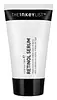 Key Ingredients
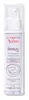
Benefits
Concerns
Ingredients Side-by-side
Water
Skin ConditioningGlycerin
Humectant


Butylene Glycol
Humectant
Propanediol
Solvent
Dicaprylyl Carbonate
EmollientRetinyl Acetate
Skin Conditioning


Dimethicone
Emollient
Phenoxyethanol
Preservative
Hydroxyethyl Acrylate/Sodium Acryloyldimethyl Taurate Copolymer
Emulsion StabilisingCaprylyl Glycol
Emollient
Phospholipids
Skin Conditioning
Squalane
Emollient
Glycine Soja Oil
Emollient




Carbomer
Emulsion StabilisingPolysorbate 60
Emulsifying
Tocopheryl Acetate
Antioxidant

Glycolipids
Skin ConditioningSodium Hydroxide
BufferingSodium Phytate
Sorbitan Isostearate
Emulsifying
Glycine Soja Sterols
Emollient
Tetrahexyldecyl Ascorbate
Antioxidant



Leuconostoc/Radish Root Ferment Filtrate
Antimicrobial
Hyaluronic Acid
Humectant
Sodium Lactate
Buffering
Tocopherol
Antioxidant
Polysorbate 20
Emulsifying
Palmitoyl Tetrapeptide-7
Skin Conditioning
Palmitoyl Tripeptide-1
Skin Conditioning
Water, Glycerin, Butylene Glycol, Propanediol, Dicaprylyl Carbonate, Retinyl Acetate, Dimethicone, Phenoxyethanol, Hydroxyethyl Acrylate/Sodium Acryloyldimethyl Taurate Copolymer, Caprylyl Glycol, Phospholipids, Squalane, Glycine Soja Oil, Carbomer, Polysorbate 60, Tocopheryl Acetate, Glycolipids, Sodium Hydroxide, Sodium Phytate, Sorbitan Isostearate, Glycine Soja Sterols, Tetrahexyldecyl Ascorbate, Leuconostoc/Radish Root Ferment Filtrate, Hyaluronic Acid, Sodium Lactate, Tocopherol, Polysorbate 20, Palmitoyl Tetrapeptide-7, Palmitoyl Tripeptide-1
Water
Skin ConditioningTriethylhexanoin
MaskingCyclopentasiloxane
Emollient
Cetearyl Alcohol
Emollient
Cyclohexasiloxane
Emollient
Ceteareth-20
CleansingPolymethyl Methacrylate

Ceteareth-33
CleansingCaprylic/Capric Triglyceride
Masking
Ammonium Acryloyldimethyltaurate/Vp Copolymer
Oenothera Biennis Oil
Emollient
Phenoxyethanol
Preservative
Benzoic Acid
Masking
Disodium EDTA
Retinal
Skin Conditioning

Tocopheryl Glucoside
EmollientOleoyl Dipeptide-15
Skin Conditioning
Mica
Cosmetic ColorantSodium Hydroxide
BufferingSilica
Abrasive
BHT
Antioxidant
Oleoyl Tetrapeptide-31
Antioxidant
Tocopherol
Antioxidant
Titanium Dioxide
Cosmetic Colorant

Caramel
Cosmetic ColorantCI 17200
Cosmetic ColorantWater, Triethylhexanoin, Cyclopentasiloxane, Cetearyl Alcohol, Cyclohexasiloxane, Ceteareth-20, Polymethyl Methacrylate, Ceteareth-33, Caprylic/Capric Triglyceride, Ammonium Acryloyldimethyltaurate/Vp Copolymer, Oenothera Biennis Oil, Phenoxyethanol, Benzoic Acid, Disodium EDTA, Retinal, Tocopheryl Glucoside, Oleoyl Dipeptide-15, Mica, Sodium Hydroxide, Silica, BHT, Oleoyl Tetrapeptide-31, Tocopherol, Titanium Dioxide, Caramel, CI 17200
Reviews
Alternatives
Ingredients Explained
These ingredients are found in both products.
Ingredients higher up in an ingredient list are typically present in a larger amount.
Phenoxyethanol is a preservative that has germicide, antimicrobial, and aromatic properties. Studies show that phenoxyethanol can prevent microbial growth. By itself, it has a scent that is similar to that of a rose.
It's often used in formulations along with Caprylyl Glycol to preserve the shelf life of products.
Sodium Hydroxide is also known as lye or caustic soda. It is used to adjust the pH of products; many ingredients require a specific pH to be effective.
In small amounts, sodium hydroxide is considered safe to use. However, large amounts may cause chemical burns due to its high alkaline.
Your skin has a natural pH and acid mantle. This acid mantle helps prevent harmful bacteria from breaking through. The acid mantle also helps keep your skin hydrated.
"Alkaline" refers to a high pH level. A low pH level would be considered acidic.
Learn more about Sodium HydroxideTocopherol is a fat-soluble antioxidant known as Vitamin E.
You'll find this ingredient in the vast majority of skincare (for good reason). It works to neutralize free radicals, or unstable molecules generated by UV exposure, pollution, and other environmental stressors, before they can cause oxidative damage to your skin cells.
Topically applied tocopherol has been shown to protect against UV damage by ramping up the skin's own natural defense enzymes.
It also acts as a skin conditioning agent; some studies show that regular topical use can improve the skin's water-binding capacity over 2-4 weeks.
This ingredient is especially loved for being a team player. When combined with Vitamin C, the photoprotective effect of both ingredients roughly doubles and the combo also helps reduce UV-induced DNA damage.
This ingredient has some brightening potential but it's more of a prevention ingredient than spot-fader. Cell studies show it can slow down melanin production but it's worth noting that it's not the most powerful brightener out there.
In formulations, it also serves as a stabilizer that helps protect other oxidation-prone ingredients from degrading.
Concentrations usually range from 0.1-1% in most leave-on products.
Learn more about TocopherolWater. It's the most common cosmetic ingredient of all. You'll usually see it at the top of ingredient lists, meaning that it makes up the largest part of the product.
So why is it so popular? Water most often acts as a solvent - this means that it helps dissolve other ingredients into the formulation.
You'll also recognize water as that liquid we all need to stay alive. If you see this, drink a glass of water. Remember to stay hydrated!
Learn more about Water
