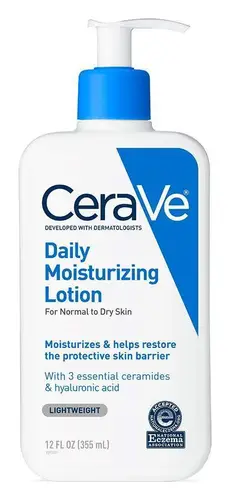
This oil-based makeup remover is made to dissolve makeup, sunscreen, and daily buildup.


What's inside
What's inside
 Key Ingredients
No key ingredients
Benefits
Concerns
Ingredients Side-by-side
Water
Skin ConditioningCaprylic/Capric Triglyceride
Masking


Glycerin
Humectant
C12-15 Alkyl Benzoate
AntimicrobialCetearyl Alcohol
Emollient





Glyceryl Stearate Se
Emulsifying
Betaine
Humectant
Butylene Glycol
Humectant
Phenoxyethanol
Preservative
Benzyl Alcohol
Perfuming




Carbomer
Emulsion StabilisingButyrospermum Parkii Butter
Skin Conditioning
Sodium Stearoyl Glutamate
CleansingSodium Hydroxide
BufferingEthylhexylglycerin
Skin ConditioningSodium Gluconate
ChelatingTocopheryl Acetate
Antioxidant


Dehydroacetic Acid
Preservative
Hydrogenated Lecithin
Emulsifying
Phenethyl Alcohol
MaskingAcetyl Hexapeptide-37
Skin Conditioning
Maltodextrin
Absorbent
Pentapeptide-48
Skin Conditioning
Water, Caprylic/Capric Triglyceride, Glycerin, C12-15 Alkyl Benzoate, Cetearyl Alcohol, Glyceryl Stearate Se, Betaine, Butylene Glycol, Phenoxyethanol, Benzyl Alcohol, Carbomer, Butyrospermum Parkii Butter, Sodium Stearoyl Glutamate, Sodium Hydroxide, Ethylhexylglycerin, Sodium Gluconate, Tocopheryl Acetate, Dehydroacetic Acid, Hydrogenated Lecithin, Phenethyl Alcohol, Acetyl Hexapeptide-37, Maltodextrin, Pentapeptide-48
Isopropyl Palmitate
Emollient
Pentaerythrityl Tetraethylhexanoate
Emollient
C12-15 Alkyl Benzoate
AntimicrobialPentaerythrityl Tetraisostearate
Emollient
Caprylic/Capric Triglyceride
Masking
PEG-20 Glyceryl Triisostearate
Emollient
PEG-8 Isostearate
Emulsifying
Dextrin Palmitate
Emulsifying
Glyceryl Behenate/Eicosadioate
Emollient
Cocos Nucifera Oil
Masking
Artemisia Princeps Leaf Water
MaskingAnthemis Nobilis Flower Extract
Masking
Althaea Officinalis Root Extract
Skin Conditioning
Lippia Citriodora Leaf Extract
Astringent
Centella Asiatica Extract
Cleansing

Aloe Barbadensis Leaf Extract
Emollient
Butylene Glycol
Humectant
Coco-Caprylate
Emollient
Ethylhexylglycerin
Skin ConditioningParfum
Masking
Isopropyl Palmitate, Pentaerythrityl Tetraethylhexanoate, C12-15 Alkyl Benzoate, Pentaerythrityl Tetraisostearate, Caprylic/Capric Triglyceride, PEG-20 Glyceryl Triisostearate, PEG-8 Isostearate, Dextrin Palmitate, Glyceryl Behenate/Eicosadioate, Cocos Nucifera Oil, Artemisia Princeps Leaf Water, Anthemis Nobilis Flower Extract, Althaea Officinalis Root Extract, Lippia Citriodora Leaf Extract, Centella Asiatica Extract, Aloe Barbadensis Leaf Extract, Butylene Glycol, Coco-Caprylate, Ethylhexylglycerin, Parfum
Reviews
Ingredients Explained
These ingredients are found in both products.
Ingredients higher up in an ingredient list are typically present in a larger amount.
Butylene Glycol (or BG) is used within cosmetic products for a few different reasons:
Overall, Butylene Glycol is a safe and well-rounded ingredient that works well with other ingredients.
Though this ingredient works well with most skin types, some people with sensitive skin may experience a reaction such as allergic rashes, closed comedones, or itchiness.
Learn more about Butylene GlycolC12-15 Alkyl Benzoate is a lightweight emollient made by combinig benzoic acid with fatty alcohols that are 12-15 carbons long.
In cosmetics, it plays several roles:
The Cosmetic Review Expert Panel has concluded the alkyl benzoate group to be safe as used in cosmetics; it wasn't found to be a skin irritant and unlikely to be absorbed due to its low water solubility.
This report recorded almost 1000 reported uses with concentrations up to 59% in leave-on products but your cosmetics will typically use 0.5-15% depending on the product.
It's often called a "SPF booster": this is because it keeps UV filters properly dissolved and evenly distributed to support a sunscreen's performance. It doesn't actually raise SPF on its own.
Overall, this ingredient is well tolerated.
This ingredient is fungal acne safe because it is an ester of benzoic acid.
Think of this ingredient as two parts stuck together: an oily part and an acid part. Malassezia only gets a meal when it can snip off a fatty acid to eat. With C12-15 Alkyl Benzoate, the acid part is benzoic acid, which isn't a fatty acid and which the yeast can't use as food.
Benzoic acid is actually used as a preservative to stop yeast from growing.
The oily part is a blend of C12-15 fatty alcohols but fatty alcohols in this size range can support only a little Malassezia growth (mostly for one species of Malassezia as well).
In the ingredient, those alcohols stay locked inside the molecule. The yeast can only reach them by snipping the benzoate bond, and that type of bond is harder for it to cut than a normal fatty bond.
So not much gets released. And whatever does get snipped comes packaged with benzoic acid, which discourages yeast growth.
Learn more about C12-15 Alkyl BenzoateCaprylic/Capric Triglyceride (aka MCT Oil) is a lightweight emollient, solvent, and texture enhancer. It is considered a skin-softener by helping to prevent moisture loss.
Though it behaves like an oil, it is not technically one due to its chemical composition. One perk of this ingredient is that it is very stable, resistant to oxidation, and unlikely to go rancid.
In practice, that translates to a long shelf life and a consistently elegant skin feel.
While there is an assumption Caprylic Triglyceride can clog pores due to it being derived from coconut oil, there is no research supporting this. Just patch test if you have concerns.
Fractionated coconut oil and MCT Oil are both listed as Caprylic/Capric Triglyceride according to INCI. This is because INCI names are based on the ingredient’s final chemical composition and not its marketing name or source.
This ingredient is treated as the gold standard fungal acne safe oil. Even though it is coconut derived, the problematic lauric acid is stripped out.
This leaves just caprylic (C8) and capric (C10) acid. These chain lengths actually trend antifungal; a 2020 study found caprylic acid was enough to disrupt Malassezia furfur cell membrane, with a caprylic acid derivative damaging membrane structures at concentrations as low as 0.2%.
Learn more about Caprylic/Capric TriglycerideEthylhexylglycerin is created from glycerin. It is a multitasker ingredient that:
The CIR Expert Panel found minimal skin absorption or sensitization of any kind in a safety assessment. Though this ingredient is considered well-tolerated, a small number of cases of allergic dermatitis have been published since 2002. Just be sure to patch test if you are unsure.
Industry-reported use ranges from 8% in rinse-off products and 2% in leave-on formulations.
Learn more about Ethylhexylglycerin