The History of Whoo Jinyulhyang Essential Revitalizing Balancer Versus Melano CC Vitamin C Brightening Lotion Milk
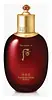
This hydrating toner is formulated around Biosaccharide Gum-1 and Panthenol to hydrate skin and calm redness.
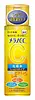
This brightening toner is formulated around 3-O-Ethyl Ascorbic Acid and Dipotassium Glycyrrhizate to brighten dull-looking skin and fade the look of dark spots.


What's inside
What's inside
 Key Ingredients
Benefits
Concerns
Ingredients Side-by-side
Water
Skin ConditioningGlycerin
Humectant


Dipropylene Glycol
HumectantBiosaccharide Gum-1
Humectant
Glycereth-26
Humectant
1,2-Hexanediol
Skin Conditioning
PEG-60 Hydrogenated Castor Oil
Emulsifying


PEG-8
HumectantPanthenol
Skin Conditioning

Octyldodeceth-16
EmulsifyingAcrylates/C10-30 Alkyl Acrylate Crosspolymer
Emulsion StabilisingCaprylyl Glycol
Emollient
Triethylhexanoin
MaskingPolyquaternium-51
Skin Conditioning
Xanthan Gum
EmulsifyingParfum
Masking



Polygonatum Officinale Rhizome/Root Extract
Skin ConditioningAsparagus Cochinchinensis Root Extract
Skin ConditioningPolygonum Multiflorum Root Extract
Skin ConditioningAcanthopanax Senticosus Root Extract
Skin ConditioningTrisodium EDTA
Theobroma Cacao Extract
Skin ConditioningPunica Granatum Fruit Extract
Antioxidant

Phenyl Trimethicone
Skin Conditioning
Algin
Masking
Sodium Polyacrylate
Absorbent
Ziziphus Jujuba Fruit Extract
Skin ConditioningTrifolium Pratense Leaf Extract
Antioxidant
Lithospermum Erythrorhizon Root Extract
Skin ConditioningDioscorea Japonica Root Extract
Skin Conditioning
Cimicifuga Racemosa Root Extract
Antimicrobial
Panax Ginseng Root Extract
Emollient
Angelica Acutiloba Root Extract
Skin ConditioningScutellaria Baicalensis Root Extract
Astringent
Prunus Persica Kernel Extract
MoisturisingPlantago Asiatica Extract
Skin ConditioningPaeonia Suffruticosa Root Extract
Skin ProtectingPaeonia Albiflora Root Extract
Skin ConditioningGlycyrrhiza Glabra Root Extract
Bleaching
Atractylodes Japonica Rhizome Extract
Skin ConditioningSaccharomyces/Xylinum/Black Tea Ferment
Skin Conditioning
Portulaca Oleracea Extract
Skin Conditioning
Poncirus Trifoliata Fruit Extract
Skin ConditioningGinsenosides
Skin ConditioningVelvet Extract
HumectantThymus Vulgaris Extract
Perfuming
Cornus Officinalis Fruit Extract
Skin ConditioningWater, Glycerin, Dipropylene Glycol, Biosaccharide Gum-1, Glycereth-26, 1,2-Hexanediol, PEG-60 Hydrogenated Castor Oil, PEG-8, Panthenol, Octyldodeceth-16, Acrylates/C10-30 Alkyl Acrylate Crosspolymer, Caprylyl Glycol, Triethylhexanoin, Polyquaternium-51, Xanthan Gum, Parfum, Polygonatum Officinale Rhizome/Root Extract, Asparagus Cochinchinensis Root Extract, Polygonum Multiflorum Root Extract, Acanthopanax Senticosus Root Extract, Trisodium EDTA, Theobroma Cacao Extract, Punica Granatum Fruit Extract, Phenyl Trimethicone, Algin, Sodium Polyacrylate, Ziziphus Jujuba Fruit Extract, Trifolium Pratense Leaf Extract, Lithospermum Erythrorhizon Root Extract, Dioscorea Japonica Root Extract, Cimicifuga Racemosa Root Extract, Panax Ginseng Root Extract, Angelica Acutiloba Root Extract, Scutellaria Baicalensis Root Extract, Prunus Persica Kernel Extract, Plantago Asiatica Extract, Paeonia Suffruticosa Root Extract, Paeonia Albiflora Root Extract, Glycyrrhiza Glabra Root Extract, Atractylodes Japonica Rhizome Extract, Saccharomyces/Xylinum/Black Tea Ferment, Portulaca Oleracea Extract, Poncirus Trifoliata Fruit Extract, Ginsenosides, Velvet Extract, Thymus Vulgaris Extract, Cornus Officinalis Fruit Extract
3-O-Ethyl Ascorbic Acid
Skin Conditioning


Dipotassium Glycyrrhizate
Humectant
Hydrolyzed Grape Fruit Extract
HumectantCitrus Limon Fruit Extract
Masking
Alpinia Katsumadai Seed Extract
Skin Conditioning


3-O-Ethyl Ascorbic Acid, Dipotassium Glycyrrhizate, Hydrolyzed Grape Fruit Extract, Citrus Limon Fruit Extract, Alpinia Katsumadai Seed Extract, Butylene Glycol, Glycerin, Dipropylene Glycol, Polyglyceryl-3 Decyltetradecyl Ether, Sodium Paraben, Sodium Citrate, Citric Acid, Xanthan Gum, EDTA, Parfum
Reviews
Ingredients Explained
These ingredients are found in both products.
Ingredients higher up in an ingredient list are typically present in a larger amount.
Dipropylene Glycol is a synthetically created humectant, stabilizer, and solvent.
This ingredient helps:
Dipropylene glycol is technically an alcohol, but it belongs to the glycol family (often considered part of the ‘good’ alcohols). This means it is hydrating and gentle on skin unlike drying solvent alcohols like denatured alcohol.
As a masking agent, Dipropylene Glycol can be used to cover the smell of other ingredients. However, it does not have a scent.
Studies show Dipropylene Glycol is considered safe to use in skincare.
Learn more about Dipropylene GlycolGlycerin (or glycerol) is a compound naturally found in your skin. It's a powerhouse humectant that pulls water into the stratum corneum.
Topically, glycerin does several things at once:
Your skin makes glycerin on its own (mostly from sebaceous oil breakdown) and shuttles it to your outermost layer of skin, or your epidermis, via aquaporin-3.
Aquaporin-3 is a transporter that is essential for normal skin hydration, elasticity, and repair. Interestingly, mice lacking in AQP3 have dry and less elastic skin that can be fully corrected with glycerin.
This ingredient is non-irritating, plays well with almost every ingredient, and works across all skin types. Typical use is anywhere between 3-10% but can go up to 79% in some leave-on products.
Just know very high concentrations (>40%) can feel tacky in low humidity.
Glycerin is the name for this ingredient in American English. British English uses Glycerol/Glycerine.
Learn more about GlycerinParfum is a catch-all term for an ingredient or more that is used to give a scent to products.
Also called "fragrance", this ingredient can be a blend of hundreds of chemicals or plant oils. This means every product with "fragrance" or "parfum" in the ingredients list is a different mixture.
For instance, Habanolide is a proprietary trade name for a specific aroma chemical. When used as a fragrance ingredient in cosmetics, most aroma chemicals fall under the broad labeling category of “FRAGRANCE” or “PARFUM” according to EU and US regulations.
The term 'parfum' or 'fragrance' is not regulated in many countries. In many cases, it is up to the brand to define this term.
For instance, many brands choose to label themselves as "fragrance-free" because they are not using synthetic fragrances. However, their products may still contain ingredients such as essential oils that are considered a fragrance by INCI standards.
One example is Calendula flower extract. Calendula is an essential oil that still imparts a scent or 'fragrance'.
Depending on the blend, the ingredients in the mixture can cause allergies and sensitivities on the skin. Some ingredients that are known EU allergens include linalool and citronellol.
Parfum can also be used to mask or cover an unpleasant scent.
The bottom line is: not all fragrances/parfum/ingredients are created equally. If you are worried about fragrances, we recommend taking a closer look at an ingredient. And of course, we always recommend speaking with a professional.
Learn more about ParfumXanthan gum is used as a stabilizer and thickener within cosmetic products. It helps give products a sticky, thick feeling - preventing them from being too runny.
On the technical side of things, xanthan gum is a polysaccharide - a combination consisting of multiple sugar molecules bonded together.
Xanthan gum is a pretty common and great ingredient. It is a natural, non-toxic, non-irritating ingredient that is also commonly used in food products.
Learn more about Xanthan Gum

