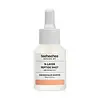
This anti-aging serum is formulated around Niacinamide and Adenosine to soften the look of wrinkles and refine skin texture.
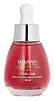
This anti-aging ampoule is formulated around Panax Ginseng Root Extract and Acetyl Hexapeptide-8 to soften the look of wrinkles and calm redness.

What's inside
What's inside
 Key Ingredients
Benefits
Ingredients Side-by-side
Water
Skin ConditioningPropanediol
Solvent

Butylene Glycol
Humectant
Glycerin
Humectant
Niacinamide
Smoothing









Pentylene Glycol
Skin Conditioning
1,2-Hexanediol
Skin Conditioning
Camellia Sinensis Leaf Water
Masking
Sodium Hyaluronate
Humectant
Dipotassium Glycyrrhizate
Humectant
Hydrolyzed Sponge
Skin ConditioningNatto Gum
Adenosine
Skin Conditioning
Ethylhexylglycerin
Skin ConditioningAlanine
Masking
Disodium EDTA
ChelatingHydrogenated Lecithin
Emulsifying
Lactobacillus Ferment
Skin Conditioning
Glycine
Buffering
Neofinetia Falcata Callus Culture Extract
Skin ConditioningArtemisia Annua Extract
Masking
Calendula Officinalis Flower Extract
Masking
Camellia Sinensis Leaf Extract
Antimicrobial
Glycyrrhiza Uralensis Root Extract
Skin Conditioning
Portulaca Oleracea Extract
Skin Conditioning
Rosmarinus Officinalis Extract
AntimicrobialTaraxacum Platycarpum Extract
Skin ConditioningUlmus Campestris Bark Extract
AstringentBeta-Glucan
Skin Conditioning
Hydrolyzed Collagen 0.05%
Emollient
Acetyl Hexapeptide-8 0%
Humectant
Copper Tripeptide-1 0%
Skin Conditioning
Hexapeptide-9 0%
Skin Conditioning
Nicotinoyl Dipeptide-22 0%
Skin Conditioning
Palmitoyl Pentapeptide-4 0%
Skin Conditioning
Tripeptide-1 0%
Skin Conditioning
Tranexamoyl Dipeptide-22 0%
Bleaching
Tripeptide-29 0%
Skin Conditioning
Sh-Oligopeptide-1
Skin Conditioning
Sh-Polypeptide-11
Sr-(Oligopeptide-91 Clostridium Botulinum Polypeptide-1)
Skin Conditioning
Sh-Oligopeptide-2
Skin Conditioning
Sh-Polypeptide-22
Skin Conditioning
Sh-Polypeptide-3
Skin Conditioning
Sh-Polypeptide-9
Skin Conditioning
Water, Propanediol, Butylene Glycol, Glycerin, Niacinamide, Pentylene Glycol, 1,2-Hexanediol, Camellia Sinensis Leaf Water, Sodium Hyaluronate, Dipotassium Glycyrrhizate, Hydrolyzed Sponge, Natto Gum, Adenosine, Ethylhexylglycerin, Alanine, Disodium EDTA, Hydrogenated Lecithin, Lactobacillus Ferment, Glycine, Neofinetia Falcata Callus Culture Extract, Artemisia Annua Extract, Calendula Officinalis Flower Extract, Camellia Sinensis Leaf Extract, Glycyrrhiza Uralensis Root Extract, Portulaca Oleracea Extract, Rosmarinus Officinalis Extract, Taraxacum Platycarpum Extract, Ulmus Campestris Bark Extract, Beta-Glucan, Hydrolyzed Collagen 0.05%, Acetyl Hexapeptide-8 0%, Copper Tripeptide-1 0%, Hexapeptide-9 0%, Nicotinoyl Dipeptide-22 0%, Palmitoyl Pentapeptide-4 0%, Tripeptide-1 0%, Tranexamoyl Dipeptide-22 0%, Tripeptide-29 0%, Sh-Oligopeptide-1, Sh-Polypeptide-11, Sr-(Oligopeptide-91 Clostridium Botulinum Polypeptide-1), Sh-Oligopeptide-2, Sh-Polypeptide-22, Sh-Polypeptide-3, Sh-Polypeptide-9
Rosa Centifolia Flower Water
Skin ConditioningGlycerin
Humectant
Hydrolyzed Collagen
Emollient
Natto Gum
Wheat Amino Acids
Skin ConditioningPanax Ginseng Root Extract
Emollient
Ophiopogon Japonicus Root Extract
Skin ConditioningPlatycodon Grandiflorus Root Extract
Antioxidant
Glycyrrhiza Glabra Root Extract
Bleaching
Astragalus Membranaceus Root Extract
Emollient
Zingiber Officinale Root Extract
Masking
Lonicera Japonica Flower Extract
Skin ConditioningZanthoxylum Piperitum Fruit Extract
Skin ConditioningPulsatilla Koreana Extract
Skin ConditioningCitrus Paradisi Fruit Extract
Skin ConditioningSodium Hyaluronate
Humectant
Dioscorea Opposita Root Extract
Skin ConditioningHydroxyethylcellulose
Emulsion StabilisingGardenia Florida Oil
Tonic
Tremella Fuciformis Sporocarp Extract
Antioxidant
Acetyl Hexapeptide-8
Humectant
Xanthan Gum
EmulsifyingAdenosine
Skin Conditioning
Disodium EDTA
ChelatingRosa Centifolia Flower Water, Glycerin, Hydrolyzed Collagen, Natto Gum, Wheat Amino Acids, Panax Ginseng Root Extract, Ophiopogon Japonicus Root Extract, Platycodon Grandiflorus Root Extract, Glycyrrhiza Glabra Root Extract, Astragalus Membranaceus Root Extract, Zingiber Officinale Root Extract, Lonicera Japonica Flower Extract, Zanthoxylum Piperitum Fruit Extract, Pulsatilla Koreana Extract, Citrus Paradisi Fruit Extract, Sodium Hyaluronate, Dioscorea Opposita Root Extract, Hydroxyethylcellulose, Gardenia Florida Oil, Tremella Fuciformis Sporocarp Extract, Acetyl Hexapeptide-8, Xanthan Gum, Adenosine, Disodium EDTA
Alternatives
Ingredients Explained
These ingredients are found in both products.
Ingredients higher up in an ingredient list are typically present in a larger amount.
Acetyl Hexapeptide-8 (also known as Argireline) is a synthetic hexapeptide that is often called a "topical Botox alternative".
It works by mimicking how Botox relaxes muscles; it interferes with the signaling process that tells your facial muscles to contract. This can help soften expression lines like forehead wrinkles or crow's feet over time.
The comparison to Botox does have limits because the molecule is water-loving and relatively large.
Acetyl Hexapeptide-8 has a hard time absorbing deeply enough through the skin's outer barrier to actually reach the muscles.
So whether it truly works the way Botox does at a biological level is still up for debate, but early clinical outcomes are fairly encouraging.
A 12 week human study of a multi-ingredient regimen containing this ingredient saw:
While some studies have observed improvements in wrinkle appearance, it is important to note that more consistent results are seen in multi-ingredient formulations (vs just Acetyl Hexapeptide-8 alone).
Some research studies also used higher concentrations (up to 10%) while this ingredient is usually found in concentrations up to 0.005% in leave-on formulations.
Learn more about Acetyl Hexapeptide-8Adenosine is a purine nucleoside that your body already makes in every cell. In skincare, it acts mainly as a skin conditioning and anti-aging agent.
The way it works is fairly well mapped out:
Your skin has cells called fibroblasts that build collagen (the stuff that keeps skin firm and smooth). Adenosine basically flips a switch on these cells that tells them to get to work making more collagen and other proteins. These cells slow down on their own as skin ages, so Adenosine helps give them a little nudge to keep going.
The clinical backing is pretty solid too.
A blind, randomized, placebo-controlled trial of 126 women aged 45-65 tested a 0.1% cream twice daily and found real improvements in crow's feet and frown lines using a precise 3D skin-mapping technique; these changes showed up by week 3 and held at 2 months.
A later study using Adenosine-loaded dissolving microneedle patches reported gains in wrinkle depth, dermal density, elasticity, and hydration.
On concentrations, South Korea's Ministry of Food and Drug Safety has set 0.04% as the approved functional anti-wrinkle level. You'll typically see this ingredient used somewhere in the 0.04-0.1% range since it works at low doses.
This ingredient has been found safe for cosmetics with the data showing no irritation or sensitization.
Overall, this is a great ingredient for any anti-aging routine and has no photosensitizing effect, so it suits both AM and PM use.
Learn more about AdenosineDisodium EDTA is a chelating agent. It grabs onto and deactivates metal ions that sneak into your products from water, packaging, or air.
This ingredient mainly works behind the scenes and helps with:
On top of that, this ingredient can counteract the effects of hard water by binding to the minerals in it.
One thing worth knowing is that Disodium EDTA has been shown to be a mild penetration enhancer. It can help other ingredients absorb into skin more effectively which can be a double-edged sword (great for actives, but can also make the active too strong if you have sensitive skin).
Clinical patch testing showed no significant skin irritation at typical use concentrations and minimal dermal absorption.
You'll most likely see this ingredient near the end of an ingredient list. It's typically found in concentrations less than 1%.
Learn more about Disodium EDTAGlycerin (or glycerol) is a compound naturally found in your skin. It's a powerhouse humectant that pulls water into the stratum corneum.
Topically, glycerin does several things at once:
Your skin makes glycerin on its own (mostly from sebaceous oil breakdown) and shuttles it to your outermost layer of skin, or your epidermis, via aquaporin-3.
Aquaporin-3 is a transporter that is essential for normal skin hydration, elasticity, and repair. Interestingly, mice lacking in AQP3 have dry and less elastic skin that can be fully corrected with glycerin.
This ingredient is non-irritating, plays well with almost every ingredient, and works across all skin types. Typical use is anywhere between 3-10% but can go up to 79% in some leave-on products.
Just know very high concentrations (>40%) can feel tacky in low humidity.
Glycerin is the name for this ingredient in American English. British English uses Glycerol/Glycerine.
Learn more about GlycerinHydrolyzed Collagen is Collagen (usually sourced from fish, bovine, or porcine byproducts) that's been broken down into smaller peptides. This makes it water-soluble and easy to blend into formulations.
In a formula, it works mainly as a skin-conditioning and moisturizing agent.
The small peptides and amino acids (including Natural Moisturizing Factor components like Hydroxyproline, Serine, and Aspartic Acid) help the surface of the skin hold onto water, feel softer, and look temporarily plumper.
This ingredient also has mild film-forming and antioxidant properties with research showing the antioxidant effect is stronger the lower the molecular weight of the peptides.
It's worth being realistic here:
Topically applied Hydrolyzed Collagen conditions the upper layers of skin rather than rebuilding the structural collagen deep in your dermis (the wrinkle-and-firmness benefits people associate with Collagen mostly come from oral supplements in studies, not topicals).
However, recent lab and skin-model work on Hydrolyzed Fish Collagen has shown promising effects on cell viability and wound healing when used as an active.
Typical concentrations range from 0.2-2%, but the percentage can go much higher in rinse-off or hair products (sometimes even above 50%).
Clinical studies on this ingredient showed no irritation, sensitization, or phototoxicity.
If you are looking for vegan collagen, it usually goes by a different INCI name like hydrolyzed soy protein. Vegan collagen is derived from yeast, bacteria, or plant sources.
The results are varied.
A study from 2021 found hydrolyzed collagen increased elasticity and improved wrinkles in 1,125 participants between age 20 and 70. Another study found increased skin thickness in participants between the ages of 45 to 59.
However, It is difficult to prove that oral collagen will end up working on your skin. Many of the studies using hydrolyzed collagen also add several vitamins and nutrients into the test mixture as well.
Further studies are needed at this time.
Learn more about Hydrolyzed CollagenNatto Gum is created by fermenting a soy protein using Bacillus natto (a bacteria). It is used as a texture enhancer.
Natto gum contains nattokinase, an enzyme. It is currently being studied for its ability to improve blood circulation.
Studies also show fermented soy-based ingredients help boost antioxidant activity.
Learn more about Natto GumSodium Hyaluronate is the salt form of hyaluronic acid. It is a long sugar chain that is naturally found in your skin, joints, and connective tissue that maintains hydration and elasticity.
In skincare, it works as a humectant. It pulls water from the environment and deeper layers of skin and binds it to the surface.
Interestingly, the size of the molecule affects its behavior:
Some clinical evidence links low molecular weight versions to improved wrinkle depth, elasticity, anti-inflammatory effects, and barrier repair.
Many serums use a blend of both weights so you can get surface hydration plus longer-lasting and deeper effects.
You'll typically see concentrations between 0.1-2% for this ingredient.
Learn more about Sodium Hyaluronate

