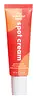
This acne treatment is formulated around Salicylic Acid and Niacinamide to clear breakouts and balance excess oil.


What's inside
What's inside
 Key Ingredients
No key ingredients
Benefits
Concerns
Ingredients Side-by-side
Water
Skin ConditioningIsopropyl Alcohol
Solvent




Sodium Citrate
BufferingBehenyl Alcohol
Emollient
Cetearyl Olivate

Sorbitan Olivate
Emulsifying
Citric Acid
Buffering

Glyceryl Stearate
Emollient
PEG-100 Stearate
Surfactant
Hydrogenated Olive Oil
Skin Conditioning

Olea Europaea Fruit Oil
Masking

Olea Europaea Oil Unsaponifiables
Skin Conditioning
Glycerin
Humectant

Dimethicone
Emollient
Ethylhexyl Olivate
Skin Conditioning
Hydroxyethylcellulose
Emulsion StabilisingBenzalkonium Chloride
Antimicrobial
Water, Isopropyl Alcohol, Sodium Citrate, Behenyl Alcohol, Cetearyl Olivate, Sorbitan Olivate, Citric Acid, Glyceryl Stearate, PEG-100 Stearate, Hydrogenated Olive Oil, Olea Europaea Fruit Oil, Olea Europaea Oil Unsaponifiables, Glycerin, Dimethicone, Ethylhexyl Olivate, Hydroxyethylcellulose, Benzalkonium Chloride
Water
Skin ConditioningGlycerin
Humectant
Alcohol Denat.
Antimicrobial
Microcrystalline Cellulose
AbsorbentCoco-Caprylate/Caprate
Emollient
Glyceryl Stearate Se
Emulsifying
Bentonite
Absorbent


Niacinamide
Smoothing





Glyceryl Stearate Citrate
Emollient
Palmitoyl Grape Seed Extract
Skin ConditioningAcacia Senegal Gum
MaskingArginine
Masking
Salicylic Acid
Masking
Xanthan Gum
EmulsifyingGlyceryl Stearate
Emollient
Pelargonium Graveolens Flower Oil
Masking

Mentha Piperita Oil
Masking
Citral
Perfuming
Cymbopogon Citratus Leaf Oil
Masking
Melaleuca Alternifolia Leaf Oil
Antioxidant
Rosmarinus Officinalis Leaf Oil
Masking
Citronellol
Perfuming
CI 77492
Cosmetic ColorantGeraniol
Perfuming
Linalool
Perfuming
Lavandula Hybrida Oil
Emollient
Maltodextrin
Absorbent
Melissa Officinalis Leaf Oil
Masking
Hydrolyzed Gardenia Florida Extract
Antioxidant
Sodium Citrate
BufferingLimonene
Perfuming
Water, Glycerin, Alcohol Denat., Microcrystalline Cellulose, Coco-Caprylate/Caprate, Glyceryl Stearate Se, Bentonite, Niacinamide, Glyceryl Stearate Citrate, Palmitoyl Grape Seed Extract, Acacia Senegal Gum, Arginine, Salicylic Acid, Xanthan Gum, Glyceryl Stearate, Pelargonium Graveolens Flower Oil, Mentha Piperita Oil, Citral, Cymbopogon Citratus Leaf Oil, Melaleuca Alternifolia Leaf Oil, Rosmarinus Officinalis Leaf Oil, Citronellol, CI 77492, Geraniol, Linalool, Lavandula Hybrida Oil, Maltodextrin, Melissa Officinalis Leaf Oil, Hydrolyzed Gardenia Florida Extract, Sodium Citrate, Limonene
Reviews
Ingredients Explained
These ingredients are found in both products.
Ingredients higher up in an ingredient list are typically present in a larger amount.
Glycerin (or glycerol) is a compound naturally found in your skin. It's a powerhouse humectant that pulls water into the stratum corneum.
Topically, glycerin does several things at once:
Your skin makes glycerin on its own (mostly from sebaceous oil breakdown) and shuttles it to your outermost layer of skin, or your epidermis, via aquaporin-3.
Aquaporin-3 is a transporter that is essential for normal skin hydration, elasticity, and repair. Interestingly, mice lacking in AQP3 have dry and less elastic skin that can be fully corrected with glycerin.
This ingredient is non-irritating, plays well with almost every ingredient, and works across all skin types. Typical use is anywhere between 3-10% but can go up to 79% in some leave-on products.
Just know very high concentrations (>40%) can feel tacky in low humidity.
Glycerin is the name for this ingredient in American English. British English uses Glycerol/Glycerine.
Learn more about GlycerinGlyceryl Stearate is made by reacting glycerin with stearic acid (typically sourced from plant oils like palm or coconut). It's an emulsifier, emollient, and mild occlusive.
Emulsifiers help ingredients like oil and water stay mixed so your formula stays nicely blended and uniform in texture.
This ingredient is typically used in concentrations between 1-10%. Studies have found it to be non-sensitizing, non-phototoxic, and non-photoallergenic.
A close cousin of this ingredient is Glyceryl Stearate SE ("self-emulsifying"). This just has a small amount of sodium or potassium stearate added so it can emulsify without a co-emulsifier.
Since this ingredient is an ester of a C18 fatty acid, it may not be fungal acne safe. The Malassezia yeast can potentially metabolize within the C11-C24 range.
Fun fact: The human body also creates Glyceryl Stearate naturally.
Learn more about Glyceryl StearateSodium Citrate is the sodium salts of citric acid. In skincare, it is used to alter pH levels and acts as a preservative.
Its main functions are to maintain the pH of a product and neutralize metal ions.
The acidity of our skin is maintained by our glands and skin biome; normal pH level of skin is slightly acidic (~4.75-5.5).
Being slightly acidic allows our skin to create an "acid mantle". This acid mantle is a thin barrier that protects our skin from bacteria and contaminants.
Learn more about Sodium CitrateWater. It's the most common cosmetic ingredient of all. You'll usually see it at the top of ingredient lists, meaning that it makes up the largest part of the product.
So why is it so popular? Water most often acts as a solvent - this means that it helps dissolve other ingredients into the formulation.
You'll also recognize water as that liquid we all need to stay alive. If you see this, drink a glass of water. Remember to stay hydrated!
Learn more about Water

