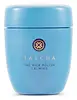
This exfoliator is formulated around Camellia Sinensis Leaf and Colloidal Oatmeal to calm irritation and reduce redness.
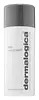
This smoothing exfoliator is formulated around Colloidal Oatmeal and Papain to refine skin texture and refine the look of pores.

What's inside
What's inside
 Key Ingredients
Benefits
Concerns
Ingredients Side-by-side
Microcrystalline Cellulose
AbsorbentOryza Sativa Powder
Sodium Lauryl Phosphate
EmulsifyingSodium Lauroyl Glutamate
SurfactantSodium Stearoyl Glutamate
CleansingWater
Skin ConditioningSodium Cocoyl Glutamate
Cleansing
Lauryl Betaine
CleansingSodium Lauroyl Methylaminopropionate
CleansingCamellia Sinensis Leaf
Perfuming




Polygonum Tinctorium Leaf/Stem Extract
Skin ConditioningIndigofera Tinctoria Leaf Extract
Skin ConditioningColloidal Oatmeal
Absorbent
Hydrolyzed Conchiolin Protein
Skin ConditioningOryza Sativa Bran Extract
Skin Conditioning
Propanediol
Solvent
Ethylhexylglycerin
Skin ConditioningButylene Glycol
Humectant
Phytosteryl/Octyldodecyl Lauroyl Glutamate
Skin ConditioningTocopherol
Antioxidant



Alcohol
Antimicrobial




Phenoxyethanol
Preservative
CI 77891
Cosmetic ColorantMica
Cosmetic ColorantMicrocrystalline Cellulose, Oryza Sativa Powder, Sodium Lauryl Phosphate, Sodium Lauroyl Glutamate, Sodium Stearoyl Glutamate, Water, Sodium Cocoyl Glutamate, Lauryl Betaine, Sodium Lauroyl Methylaminopropionate, Camellia Sinensis Leaf, Polygonum Tinctorium Leaf/Stem Extract, Indigofera Tinctoria Leaf Extract, Colloidal Oatmeal, Hydrolyzed Conchiolin Protein, Oryza Sativa Bran Extract, Propanediol, Ethylhexylglycerin, Butylene Glycol, Phytosteryl/Octyldodecyl Lauroyl Glutamate, Tocopherol, Alcohol, Phenoxyethanol, CI 77891, Mica
Microcrystalline Cellulose
AbsorbentMagnesium Oxide
AbsorbentSodium Cocoyl Isethionate
Cleansing
Colloidal Oatmeal
Absorbent
Disodium Lauryl Sulfosuccinate
CleansingSodium Lauroyl Glutamate
SurfactantOryza Sativa Bran Extract
Skin Conditioning
Oryza Sativa Starch
AbsorbentHydrogenated Coconut Acid
Emollient
Allantoin
Skin Conditioning
Papain
Skin Conditioning
Salicylic Acid
Masking


Ginkgo Biloba Leaf Extract
Skin Conditioning
Camellia Sinensis Leaf Extract
Antimicrobial
Glycyrrhiza Glabra Root Extract
Bleaching
PCA
Humectant
Populus Tremuloides Bark Extract
AntiseborrhoeicCyclodextrin
AbsorbentSodium Isethionate
CleansingLauryl Methacrylate
Maltodextrin
Absorbent
Melaleuca Alternifolia Leaf Oil
Antioxidant

Citrus Paradisi Peel Oil
Masking
Sodium Dehydroacetate
Preservative
Hydrolyzed Corn Starch Hydroxyethyl Ether
Emulsion StabilisingWater
Skin ConditioningLimonene
Perfuming
Citric Acid
Buffering
Microcrystalline Cellulose, Magnesium Oxide, Sodium Cocoyl Isethionate, Colloidal Oatmeal, Disodium Lauryl Sulfosuccinate, Sodium Lauroyl Glutamate, Oryza Sativa Bran Extract, Oryza Sativa Starch, Hydrogenated Coconut Acid, Allantoin, Papain, Salicylic Acid, Ginkgo Biloba Leaf Extract, Camellia Sinensis Leaf Extract, Glycyrrhiza Glabra Root Extract, PCA, Populus Tremuloides Bark Extract, Cyclodextrin, Sodium Isethionate, Lauryl Methacrylate, Maltodextrin, Melaleuca Alternifolia Leaf Oil, Citrus Paradisi Peel Oil, Sodium Dehydroacetate, Hydrolyzed Corn Starch Hydroxyethyl Ether, Water, Limonene, Citric Acid
Reviews
Alternatives
Ingredients Explained
These ingredients are found in both products.
Ingredients higher up in an ingredient list are typically present in a larger amount.
According to INCI standards, this ingredient refers to the physical ground up oatmeal. If you are looking for colloidal oatmeal in skincare, you'll most likely see Avena Sativa Kernel Extract on your ingredient list.
Physical colloidal oatmeal is an abrasive meaning it provides physical exfoliation.
Microcrystalline Cellulose is another name for refined wood pulp. It is used as an emulsifier and mattifying ingredient. As an emulsifier, it helps keep ingredients together.
Oryza Sativa Bran Extract comes from the outer layer of a rice kernel. It is a byproduct of milling rice, or the operation to produce a whole grain rice product.
This ingredient has moisturizing properties due to its components of polysaccharides and omega-3 fatty acids. It also contains calcium, selenium, phosphorus, iron, and zinc.
Oryza Sativa Bran Extract contains numerous antioxidants such as ferulic acid. Antioxidants help fight free-radical molecules. Free-radical molecules are capable of damaging our cells and other genetic material.
Learn more about Oryza Sativa Bran ExtractSodium Lauroyl Glutamate is an amino-acid based mild surfactant that is used in formulas as a primary or secondary cleansing agent. This means it helps lift away oil, dirt, and makeup.
You'll see this ingredient in facial cleansers, shampoos, and even toothpaste because it foams reasonably well while being much gentler than harsher surfactants like SLS.
A study comparing surfactant mixtures found that Sodium Lauroyl Glutamate caused visibly less disruption to skin lipid structure and less irritation than SLS when tested on human subjects; this correlated with the data from in vivo results as well.
The Tenside, Surfactants, Detergents cosmetics industry journal has also concluded that amino acid based surfactants are generally milder than their corresponding alkyl sulfate counterparts. They also stated glutamates in particular are considered one of the gentler options in the category.
The Cosmetic Ingredient Review (CIR) Expert Panel has reviewed dermal irritation and sensitization data for this ingredient at the highest reported use concentration and concluded it to be safe in present practices.
Typical use concentrations tend to run low (generally less than 10%) though the CIR's review noted the highest reported use concentration was 40% as a raw material blend (and not a diluted finished cosmetic product).
Learn more about Sodium Lauroyl GlutamateWater. It's the most common cosmetic ingredient of all. You'll usually see it at the top of ingredient lists, meaning that it makes up the largest part of the product.
So why is it so popular? Water most often acts as a solvent - this means that it helps dissolve other ingredients into the formulation.
You'll also recognize water as that liquid we all need to stay alive. If you see this, drink a glass of water. Remember to stay hydrated!
Learn more about Water

