Tatcha The Kissu Lip Mask Versus Fenty Beauty Plush Puddin’ Intensive Recovery Lip Mask With Pomegranate Sterols + Vitamin E
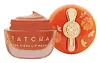
This hydrating lip mask is formulated around Squalane and Allantoin to hydrate lips and strengthen the lip barrier.
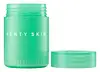
This hydrating lip mask is formulated around Bis-Diglyceryl Polyacyladipate-2 and Tocopherol to hydrate lips and strengthen the lip barrier.

What's inside
What's inside
 Key Ingredients
Benefits
Concerns
Ingredients Side-by-side
Triisostearin
Skin Conditioning

Polyglyceryl-2 Triisostearate
Emulsifying
Squalane
Emollient


Dextrin Palmitate
Emulsifying
Vp/Hexadecene Copolymer
Dextrin Palmitate/Ethylhexanoate
Emulsifying
Silica
Abrasive


Allantoin
Skin Conditioning


Camellia Japonica Seed Oil
Emollient
Saccharomyces/Rice Ferment Filtrate
Skin Conditioning
Prunus Persica Juice
MoisturisingCitrus Unshiu Peel Extract
MaskingPrunus Persica Kernel Extract
MoisturisingPrunus Persica Leaf Extract
Emollient
Camellia Sinensis Leaf Extract
Antimicrobial

Cladosiphon Okamuranus Extract
Skin Conditioning

Lauroyl Lysine
Skin Conditioning
Polyglyceryl-2 Tetraisostearate
EmollientStevia Rebaudiana Leaf/Stem Extract
MaskingTocopherol
Antioxidant

Parfum
Masking


Water
Skin ConditioningButylene Glycol
Humectant
Stearyl Glycyrrhetinate
Skin ConditioningPyridoxine Hcl
Skin ConditioningPropanediol
Solvent
Ethylhexylglycerin
Skin ConditioningAluminum Hydroxide
EmollientPhenoxyethanol
Preservative
Amyl Cinnamal
Perfuming
Limonene
Perfuming
Eugenol
Perfuming
CI 19140
Cosmetic ColorantCI 77491
Cosmetic ColorantCI 77492
Cosmetic ColorantCI 77499
Cosmetic ColorantCI 77891
Cosmetic ColorantCI 73360
Cosmetic ColorantCI 15850
Cosmetic ColorantTriisostearin, Polyglyceryl-2 Triisostearate, Squalane, Dextrin Palmitate, Vp/Hexadecene Copolymer, Dextrin Palmitate/Ethylhexanoate, Silica, Allantoin, Camellia Japonica Seed Oil, Saccharomyces/Rice Ferment Filtrate, Prunus Persica Juice, Citrus Unshiu Peel Extract, Prunus Persica Kernel Extract, Prunus Persica Leaf Extract, Camellia Sinensis Leaf Extract, Cladosiphon Okamuranus Extract, Lauroyl Lysine, Polyglyceryl-2 Tetraisostearate, Stevia Rebaudiana Leaf/Stem Extract, Tocopherol, Parfum, Water, Butylene Glycol, Stearyl Glycyrrhetinate, Pyridoxine Hcl, Propanediol, Ethylhexylglycerin, Aluminum Hydroxide, Phenoxyethanol, Amyl Cinnamal, Limonene, Eugenol, CI 19140, CI 77491, CI 77492, CI 77499, CI 77891, CI 73360, CI 15850
Polybutene
Hydrogenated Polydecene
EmollientBis-Diglyceryl Polyacyladipate-2
Emollient
Ricinus Communis Seed Oil
Masking
Caprylic/Capric Triglyceride
Masking
Hydrogenated Styrene/Isoprene Copolymer
Synthetic Wax
Abrasive
Silica
Abrasive
Cocos Nucifera Oil
Masking
Citrullus Lanatus Seed Oil
Emollient
Malpighia Punicifolia Fruit Extract
Antioxidant
Punica Granatum Flower Extract
Skin Conditioning
Punica Granatum Sterols
Skin Conditioning
Tocopherol
Antioxidant
Tocopheryl Acetate
Antioxidant
Simmondsia Chinensis Seed Oil
Emollient
Sodium Saccharin
MaskingPentaerythrityl Tetra-Di-T-Butyl Hydroxyhydrocinnamate
Antioxidant
Polyglyceryl-3 Diisostearate
Emulsifying
Dicalcium Phosphate
Abrasive
Tin Oxide
Abrasive
Calcium Sodium Borosilicate
Aroma
Phenoxyethanol
Preservative
Citral
Perfuming
Limonene
Perfuming
CI 19140
Cosmetic ColorantCI 77491
Cosmetic ColorantCI 77891
Cosmetic ColorantCI 15985
Cosmetic ColorantPolybutene, Hydrogenated Polydecene, Bis-Diglyceryl Polyacyladipate-2, Ricinus Communis Seed Oil, Caprylic/Capric Triglyceride, Hydrogenated Styrene/Isoprene Copolymer, Synthetic Wax, Silica, Cocos Nucifera Oil, Citrullus Lanatus Seed Oil, Malpighia Punicifolia Fruit Extract, Punica Granatum Flower Extract, Punica Granatum Sterols, Tocopherol, Tocopheryl Acetate, Simmondsia Chinensis Seed Oil, Sodium Saccharin, Pentaerythrityl Tetra-Di-T-Butyl Hydroxyhydrocinnamate, Polyglyceryl-3 Diisostearate, Dicalcium Phosphate, Tin Oxide, Calcium Sodium Borosilicate, Aroma, Phenoxyethanol, Citral, Limonene, CI 19140, CI 77491, CI 77891, CI 15985
Reviews
Ingredients Explained
These ingredients are found in both products.
Ingredients higher up in an ingredient list are typically present in a larger amount.
CI 19140 is also known as Tartrazine. Tartrazine is a synthetic dye used in cosmetics, foods, and medicine to add a yellow color.
Tartrazine is created from petroleum and is water-soluble.
Some people may experience allergies from this dye, especially asthmatics and those with an aspirin intolerance.
Learn more about CI 19140Ci 77491 is also hydrated iron III oxide. It's sole purpose is to give a red/pink hue to products.
Iron III oxides are classified as inorganic chemicals for coloring.
Synthetically created Ci 77491 is considered safer than those naturally found. This is because the synthetically created version may contain less impurities. Iron oxides are generally non-toxic and non-allergenic.
Learn more about CI 77491Ci 77891 is a white pigment from Titanium dioxide. It is naturally found in minerals such as rutile and ilmenite.
It's main function is to add a white color to cosmetics. It can also be mixed with other colors to create different shades.
Ci 77891 is commonly found in sunscreens due to its ability to block UV rays.
Learn more about CI 77891Limonene is the compound that gives citrus peel its smell.
In skincare, it shows up as a standalone fragrance ingredient or as a natural compound of citrus and other essential oils.
You'll typically see this ingredient used in very small amounts; anything above 0.001% in a leave-on product or 0.01% in a rinse-off has to be named on the label in the EU. The citrus oils that carry it sit around 0.5-1% in a finished formula.
Fresh limonene is a weak allergen; the real issue is that it slowly reacts with air and then breaks down from oxidation to create hydroperoxides (which are strong sensitizers). This is why suppliers are required to keep the peroxide value below 20 mmol.
Positive reactions in people being investigated for eczema vary:
It's worth skipping if you have a known fragrance allergy or a compromised barrier, but the risk is low for most people.
Older or long-opened products are also more likely to bother you than fresh ones due to oxidation.
Learn more about LimonenePhenoxyethanol is one of the most widely used preservatives in skincare (and for good reason!).
It has a large spectrum of antimicrobial activity and especially effective bacteria, yeast, and mold while only having a weak effect on your skin's natural microbiome.
On a cellular level, it disrupts the cell membranes of microbes by poking holes that make the cell leak. This shuts down the chemical reactions the microbe needs to make energy so it can no longer survive.
Another perk of this ingredient is that it stays functional across a wide pH range (3-10).
You'll often see it paired with boosters like Ethylhexylglycerin; one study showed that a 1:9 ratio of Ethylhexylglycerin to Phenoxyethanol damages bacterial membranes as effectively as doubling the Phenoxyethanol concentration on its own.
Typical use concentrations range from 0.3-1% depending on the formula, and this ingredient is capped at 1% int the EU.
Safety-wise, the fear mongering does not hold up to the evidence. The EU's Scientific Committee on Consumer Safety and FDA consider it safe as a preservative at up to 1%, including for children of all ages.
Adverse systemic effects only showed up in animal studies at exposures roughly 200x higher than what people get from cosmetics. And despite its very widespread use, this ingredient is a rare sensitizer and allergic reactions are uncommon.
Learn more about PhenoxyethanolSilica, also known as silicon dioxide, is a naturally occurring mineral. It is used as a fine, spherical, and porous powder in cosmetics.
Though it has exfoliant properties, the function of silica varies depending on the product.
The unique structure of silica enhances the spreadability and adds smoothness, making it a great texture enhancer.
It is also used as an active carrier, emulsifier, and mattifier due to its ability to absorb excess oil.
In some products, tiny microneedles called spicules are made from silica or hydrolyzed sponge. When you rub them in, they lightly polish away dead skin layers and enhance the penetration of active ingredients.
Learn more about SilicaTocopherol is a fat-soluble antioxidant known as Vitamin E.
You'll find this ingredient in the vast majority of skincare (for good reason). It works to neutralize free radicals, or unstable molecules generated by UV exposure, pollution, and other environmental stressors, before they can cause oxidative damage to your skin cells.
Topically applied tocopherol has been shown to protect against UV damage by ramping up the skin's own natural defense enzymes.
It also acts as a skin conditioning agent; some studies show that regular topical use can improve the skin's water-binding capacity over 2-4 weeks.
This ingredient is especially loved for being a team player. When combined with Vitamin C, the photoprotective effect of both ingredients roughly doubles and the combo also helps reduce UV-induced DNA damage.
This ingredient has some brightening potential but it's more of a prevention ingredient than spot-fader. Cell studies show it can slow down melanin production but it's worth noting that it's not the most powerful brightener out there.
In formulations, it also serves as a stabilizer that helps protect other oxidation-prone ingredients from degrading.
Concentrations usually range from 0.1-1% in most leave-on products.
Learn more about Tocopherol

