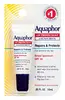
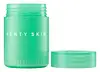
Aquaphor Lip Repair + Protect Broad Spectrum SPF 30 Versus Fenty Beauty Plush Puddin’ Intensive Recovery Lip Mask With Pomegranate Sterols + Vitamin E
This barrier-repair lip moisturizer is formulated around Petrolatum and Panthenol to strengthen the lip barrier and hydrate lips.
This hydrating lip mask is formulated around Bis-Diglyceryl Polyacyladipate-2 and Tocopherol to hydrate lips and strengthen the lip barrier.


What's inside
What's inside
 Key Ingredients
Benefits
Concerns
Ingredients Side-by-side
Petrolatum 31%
Emollient



Butyl Methoxydibenzoylmethane 3%
UV Absorber
Ethylhexyl Methoxycinnamate 6.75%
UV Absorber
Ethylhexyl Salicylate 4.5%
UV Absorber
Octocrylene 2%
UV Absorber
Benzophenone-3 5.4%
UV Absorber
C18-38 Alkyl Hydroxystearoyl Stearate
EmollientOctyldodecanol
Emollient
Glycerin
Humectant

Ricinus Communis Seed Oil
Masking

Caprylic/Capric Triglyceride
Masking
Panthenol
Skin Conditioning

Water
Skin ConditioningPolyglyceryl-3 Diisostearate
Emulsifying
Butyrospermum Parkii Butter
Skin Conditioning
Tocopheryl Acetate
Antioxidant


Hydrogenated Castor Oil
Emollient
Beeswax
Emulsion Stabilising
C20-40 Alkyl Stearate
Skin ConditioningMagnesium Sulfate
Magnesium Stearate
Cosmetic ColorantBHT
Antioxidant
Petrolatum 31%, Butyl Methoxydibenzoylmethane 3%, Ethylhexyl Methoxycinnamate 6.75%, Ethylhexyl Salicylate 4.5%, Octocrylene 2%, Benzophenone-3 5.4%, C18-38 Alkyl Hydroxystearoyl Stearate, Octyldodecanol, Glycerin, Ricinus Communis Seed Oil, Caprylic/Capric Triglyceride, Panthenol, Water, Polyglyceryl-3 Diisostearate, Butyrospermum Parkii Butter, Tocopheryl Acetate, Hydrogenated Castor Oil, Beeswax, C20-40 Alkyl Stearate, Magnesium Sulfate, Magnesium Stearate, BHT
Polybutene
Hydrogenated Polydecene
EmollientBis-Diglyceryl Polyacyladipate-2
Emollient
Ricinus Communis Seed Oil
Masking
Caprylic/Capric Triglyceride
Masking
Hydrogenated Styrene/Isoprene Copolymer
Synthetic Wax
Abrasive
Silica
Abrasive

Cocos Nucifera Oil
Masking
Citrullus Lanatus Seed Oil
Emollient
Malpighia Punicifolia Fruit Extract
Antioxidant
Punica Granatum Flower Extract
Skin Conditioning
Punica Granatum Sterols
Skin Conditioning
Tocopherol
Antioxidant

Tocopheryl Acetate
Antioxidant
Simmondsia Chinensis Seed Oil
Emollient
Sodium Saccharin
MaskingPentaerythrityl Tetra-Di-T-Butyl Hydroxyhydrocinnamate
Antioxidant
Polyglyceryl-3 Diisostearate
Emulsifying
Dicalcium Phosphate
Abrasive
Tin Oxide
Abrasive
Calcium Sodium Borosilicate
Aroma

Phenoxyethanol
Preservative
Citral
Perfuming
Limonene
Perfuming
CI 19140
Cosmetic ColorantCI 77491
Cosmetic ColorantCI 77891
Cosmetic ColorantCI 15985
Cosmetic ColorantPolybutene, Hydrogenated Polydecene, Bis-Diglyceryl Polyacyladipate-2, Ricinus Communis Seed Oil, Caprylic/Capric Triglyceride, Hydrogenated Styrene/Isoprene Copolymer, Synthetic Wax, Silica, Cocos Nucifera Oil, Citrullus Lanatus Seed Oil, Malpighia Punicifolia Fruit Extract, Punica Granatum Flower Extract, Punica Granatum Sterols, Tocopherol, Tocopheryl Acetate, Simmondsia Chinensis Seed Oil, Sodium Saccharin, Pentaerythrityl Tetra-Di-T-Butyl Hydroxyhydrocinnamate, Polyglyceryl-3 Diisostearate, Dicalcium Phosphate, Tin Oxide, Calcium Sodium Borosilicate, Aroma, Phenoxyethanol, Citral, Limonene, CI 19140, CI 77491, CI 77891, CI 15985
Reviews
Ingredients Explained
These ingredients are found in both products.
Ingredients higher up in an ingredient list are typically present in a larger amount.
Caprylic/Capric Triglyceride (aka MCT Oil) is a lightweight emollient, solvent, and texture enhancer. It is considered a skin-softener by helping to prevent moisture loss.
Though it behaves like an oil, it is not technically one due to its chemical composition. One perk of this ingredient is that it is very stable, resistant to oxidation, and unlikely to go rancid.
In practice, that translates to a long shelf life and a consistently elegant skin feel.
While there is an assumption Caprylic Triglyceride can clog pores due to it being derived from coconut oil, there is no research supporting this. Just patch test if you have concerns.
Fractionated coconut oil and MCT Oil are both listed as Caprylic/Capric Triglyceride according to INCI. This is because INCI names are based on the ingredient’s final chemical composition and not its marketing name or source.
This ingredient is treated as the gold standard fungal acne safe oil. Even though it is coconut derived, the problematic lauric acid is stripped out.
This leaves just caprylic (C8) and capric (C10) acid. These chain lengths actually trend antifungal; a 2020 study found caprylic acid was enough to disrupt Malassezia furfur cell membrane, with a caprylic acid derivative damaging membrane structures at concentrations as low as 0.2%.
Learn more about Caprylic/Capric TriglyceridePolyglyceryl-3 Diisostearate is a plant-derived, oil-soluble emulsifier. It keeps water-in-oil emulsions stable to prevent the ingredients from separating.
On the safety front, it's considered non-irritating and well-tolerated (it can even be found in formulations for baby skin).
This ingredient may not be fungal acne safe because research has shown that the Malassezia species can grow in the presence of fatty acid esters with chain lengths above C12 (and this one is C18).
While it does have a comedogenic rating of 4, the comedogenic rating scale was developed from rabbit ear models which has limited clinical relevance to human skin. Studies also show that comedogenic ingredients cannot predict how the overall formula will behave on human skin.
Learn more about Polyglyceryl-3 DiisostearateThis ingredient is also known as castor oil. It is a skin conditioning ingredient.
The star component of castor oil is ricinoleic acid, an unusual fatty acid that makes up ~80-92% of its composition.
In skincare, it is an emollient that dries down to a solid film with water-binding properties. This helps keep skin hydrated and helps reduce transepidermal water loss (TEWL).
A 2026 dermatology review pulls together its broader uses:
Human clinical testing found this ingredient to be non-irritating and non-sensitizing.
Because castor oil contains fatty acids in the C11-24 range, this ingredient may not be fungal acne safe.
At this time, the literature does not support castor oil in regrowing hair. A 2022 systematic review found no strong evidence that it supports hair growth and only weak evidence that it improves hair shine.
Castor oil itself carries "perfuming" and "masking" function tags according to the official CosIng database. This is because of its mild odor and odor-dampening properties.
Learn more about Ricinus Communis Seed OilTocopheryl Acetate is a stable, shelf-friendly form of vitamin E.
Formulators love it because plain vitamin E oxidizes quickly once it hits air. This acetate version stays stable and resists going off, helping to extend a product's shelf life.
It's actually inactive on its own and works like a slow-release "storage" form; the enzymes in your skin called esterases gradually convert it into active vitamin E over time.
One in vivo study showed 5% of the acetate in the living layer of the epidermis converted to vitamin E after 5 days of application. This study also found the skin gained protection against UV damage even though the conversion was slow and small.
Once converted, vitamin E acts as a skin's main fat-soluble antioxidant that fights free radicals to protect skin from damage.
Topical vitamin E generally boosts the skin's photoprotection, and it reduced UV-damage in animal models.
This ingredient has some brightening potential but it's more of a prevention ingredient than spot-fader. Cell studies show it can slow down melanin production but it's worth noting that it's not the most powerful brightener out there.
Overall, it has a pretty solid safety profile and has been found to be non-irritating and non-comedogenic. Allergic reactions may happen but stay rare due to how widely the ingredient gets used.
The concentration will vary depending on the formula; industry data shows 0.1% in baby lotions, 3% in lipsticks, and 5% in foot powders. You can also find this ingredient at 100% in a pure vitamin E oil.
Most leave-on skincare keeps it at the lower end, often between 0.5-1%.
Learn more about Tocopheryl Acetate

