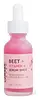
This anti-aging serum is formulated around Retinol to soften the look of wrinkles and refine skin texture.
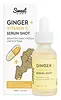
This brightening serum is formulated around Ceramide AP and Zingiber Officinale Root Extract to brighten dull-looking skin and fade the look of dark spots.

What's inside
What's inside
 Key Ingredients
Benefits
Concerns
Ingredients Side-by-side
Water
Skin ConditioningButylene Glycol
Humectant

Glycerin
Humectant
Glycereth-26
Humectant
Propanediol
Solvent
Methyl Gluceth-10
EmulsifyingPentylene Glycol
Skin Conditioning
Triethylhexanoin
MaskingXylitol
Humectant
Beta Vulgaris Root Extract
Skin ConditioningChondrus Crispus Extract
Skin Conditioning
Hydrolyzed Jojoba Esters
Skin Conditioning

Theobroma Cacao Seed Extract
Antioxidant
Hippophae Rhamnoides Fruit Extract
Skin Conditioning
Glycine Soja Oil
Emollient




Retinol
Skin Conditioning







Ammonium Acryloyldimethyltaurate/Vp Copolymer
Choleth-24
EmulsifyingHydrogenated Lecithin
Emulsifying
Saccharum Officinarum Extract
MoisturisingXylitylglucoside
Humectant
Carbomer
Emulsion StabilisingAnhydroxylitol
Humectant
Tromethamine
BufferingXanthan Gum
EmulsifyingEthylhexylglycerin
Skin ConditioningGlucose
Humectant
Cyanocobalamin
Skin ConditioningDextrin
AbsorbentCeramide AP
Skin Conditioning
1,2-Hexanediol
Skin Conditioning
Methylpropanediol
SolventLavandula Angustifolia Oil
Masking


Water, Butylene Glycol, Glycerin, Glycereth-26, Propanediol, Methyl Gluceth-10, Pentylene Glycol, Triethylhexanoin, Xylitol, Beta Vulgaris Root Extract, Chondrus Crispus Extract, Hydrolyzed Jojoba Esters, Theobroma Cacao Seed Extract, Hippophae Rhamnoides Fruit Extract, Glycine Soja Oil, Retinol, Ammonium Acryloyldimethyltaurate/Vp Copolymer, Choleth-24, Hydrogenated Lecithin, Saccharum Officinarum Extract, Xylitylglucoside, Carbomer, Anhydroxylitol, Tromethamine, Xanthan Gum, Ethylhexylglycerin, Glucose, Cyanocobalamin, Dextrin, Ceramide AP, 1,2-Hexanediol, Methylpropanediol, Lavandula Angustifolia Oil
Water
Skin ConditioningGlycerin
Humectant
Methyl Gluceth-20
Humectant
Ceramide AP
Skin Conditioning
1,2-Hexanediol
Skin Conditioning
Propanediol
Solvent
Zingiber Officinale Root Extract
Masking
Ascorbic Acid
Antioxidant
Corallina Officinalis Extract
Skin Conditioning
Curcuma Longa Root Extract
Antioxidant
Ocimum Sanctum Leaf Extract
Skin ConditioningChondrus Crispus Extract
Skin Conditioning
Saccharum Officinarum Extract
MoisturisingMelia Azadirachta Flower Extract
Skin ConditioningCholeth-24
EmulsifyingCarbomer
Emulsion StabilisingTromethamine
BufferingXanthan Gum
EmulsifyingEthylhexylglycerin
Skin ConditioningDisodium EDTA
Melia Azadirachta Leaf Extract
Skin ConditioningButylene Glycol
Humectant
Cyanocobalamin
Skin ConditioningLavandula Angustifolia Oil
Masking
Water, Glycerin, Methyl Gluceth-20, Ceramide AP, 1,2-Hexanediol, Propanediol, Zingiber Officinale Root Extract, Ascorbic Acid, Corallina Officinalis Extract, Curcuma Longa Root Extract, Ocimum Sanctum Leaf Extract, Chondrus Crispus Extract, Saccharum Officinarum Extract, Melia Azadirachta Flower Extract, Choleth-24, Carbomer, Tromethamine, Xanthan Gum, Ethylhexylglycerin, Disodium EDTA, Melia Azadirachta Leaf Extract, Butylene Glycol, Cyanocobalamin, Lavandula Angustifolia Oil
Ingredients Explained
These ingredients are found in both products.
Ingredients higher up in an ingredient list are typically present in a larger amount.
1,2-Hexanediol is a synthetic liquid and another multi-functional powerhouse.
It is a:
- Humectant, drawing moisture into the skin
- Emollient, helping to soften skin
- Solvent, dispersing and stabilizing formulas
- Preservative booster, enhancing the antimicrobial activity of other preservatives
Butylene Glycol (or BG) is used within cosmetic products for a few different reasons:
Overall, Butylene Glycol is a safe and well-rounded ingredient that works well with other ingredients.
Though this ingredient works well with most skin types, some people with sensitive skin may experience a reaction such as allergic rashes, closed comedones, or itchiness.
Learn more about Butylene GlycolCarbomer is a synthetic thickening and gelling agent. It's basically the ingredient that gives a lot of serums, gels, creams, and sunscreens their smooth, non-sticky texture.
Although legally permitted at very high levels, carbomers are normally used at concentrations below 1%.
It also needs to be neutralized to actually thicken, and because it is a large molecule, it doesn't really penetrate the skin barrier.
Allergy-wise, the risk is very low. Clinical studies show carbomers have low potential for skin irritation/sensitization even at concentrations up to 100%.
A 2024 UK study patch-tested 1,302 patients and found true allergy to the parent group of carbomer to be rare with no confirmed relevant reactions.
Learn more about CarbomerCeramide AP is is a skin-identical lipid that mimics what your skin already makes naturally. Ceramides help maintain epidermal integrity and barrier function.
You'll often see this ingredient paired with other ceramides (like ceramide NP), cholesterol, or fatty acids because this combination best mimics the natural lipid mix your skin already has.
The skin's ability to produce ceramides gets disrupted in skin conditions like eczema. This in turn weakens the skin barrier and applying ceramides topically has been shown to replenish what's been lost to restore barrier function.
Most of the studies with Ceramide AP test it as part of a multi-ceramide complex; studies reinforce ceramide AP's role in rebalancing ceramides in skin and improving skin hydration.
Learn more about Ceramide APCholeth-24 comes from the cholesterol of lanolins. It is used as an emulsifier, or to help stabilize other ingredients.
This ingredient is soluble in both water and alcohol.
Chondrus Crispus Extract comes from a red algae native to the northern Atlantic coasts of Europe and North America. It helps hydrate the skin and is rich in antioxidants.
The antioxidants in chondrus crispus include lutein and zeaxanthin. Lutein has the ability to filter blue light from screens.
Other contents of chondrus crispus include polysaccharides, peptides, and amino acids. These help hydrate the skin.
What's the difference between algae and seaweed?
Algae is a broad term that includes seaweed. Not all algae is seaweed.
Cyanocobalamin is the manufactured version of vitamin B12. It has skin soothing, antioxidant, and barrier protecting properties. Topical cyanocobalamin is used to treat skin irritation and atopic dermatitis.
Ethylhexylglycerin is created from glycerin. It is a multitasker ingredient that:
The CIR Expert Panel found minimal skin absorption or sensitization of any kind in a safety assessment. Though this ingredient is considered well-tolerated, a small number of cases of allergic dermatitis have been published since 2002. Just be sure to patch test if you are unsure.
Industry-reported use ranges from 8% in rinse-off products and 2% in leave-on formulations.
Learn more about EthylhexylglycerinGlycerin (or glycerol) is a compound naturally found in your skin. It's a powerhouse humectant that pulls water into the stratum corneum.
Topically, glycerin does several things at once:
Your skin makes glycerin on its own (mostly from sebaceous oil breakdown) and shuttles it to your outermost layer of skin, or your epidermis, via aquaporin-3.
Aquaporin-3 is a transporter that is essential for normal skin hydration, elasticity, and repair. Interestingly, mice lacking in AQP3 have dry and less elastic skin that can be fully corrected with glycerin.
This ingredient is non-irritating, plays well with almost every ingredient, and works across all skin types. Typical use is anywhere between 3-10% but can go up to 79% in some leave-on products.
Just know very high concentrations (>40%) can feel tacky in low humidity.
Glycerin is the name for this ingredient in American English. British English uses Glycerol/Glycerine.
Learn more about GlycerinLavandula Angustifolia Oil is more commonly known as lavender essential oil. It is considered a fragrancing ingredient.
Lavender imparts a famous scent. While the smell is lovely, this ingredient and may sensitize skin in topical products. This is because about 85% of the oil is made up of linalool and linalyl acetate.
When exposed to air, these two compounds become strong allergens. This ingredient exhibits cytotoxicity at low concentrations; amounts of 0.25% have been shown to damage skin cells.
A study from Japan found this ingredient caused lavender sensitivity after widespread exposure.
Lavender essential oil has some antimicrobial, antibacterial, and anti-inflammatory properties. However, the cons of this ingredient may outweight the pros.
More research is needed to confirm lavender essential oil's effects when used in aromatherapy.
Lavandula Angustifolia is known as the English Lavender and famous for creating purple fields in Provence, France.
Learn more about Lavandula Angustifolia OilPropanediol is an all-star ingredient. It softens, hydrates, and smooths the skin.
It’s often used to:
Propanediol is not likely to cause sensitivity and considered safe to use. It is derived from corn or petroleum with a clear color and no scent.
Learn more about PropanediolThis ingredient is also called sugarcane extract. It is a moisturizing humectant and has skin soothing properties.
Similar to hyaluronic acid, sugarcane can attract moisture to your skin.
Glycolic acid is a derivative of sugarcane. While glycolic acid is an AHA with exfoliating properties, sugarcane is not an AHA.
A study from 2021 found the compounds in sugarcane extract to have antioxidant, antimicrobial, and anti-inflammatory activity. The study also suggests these compounds can inhibit skin ageing enzymes and promote collagen synthesis.
Learn more about Saccharum Officinarum ExtractTromethamine (aka THAM) is a synthetic amino acid that shows up in skincare as a helper ingredient.
It functions as a pH adjuster to help neutralize acidic ingredients and set a formula's pH to the right spot.
This matters a lot because a lot of actives (like vitamin C) needs a specific pH to work well and feel comfortable on skin.
Concentration use ranges from 0.1-1.0% depending on the formula.
Learn more about TromethamineWater. It's the most common cosmetic ingredient of all. You'll usually see it at the top of ingredient lists, meaning that it makes up the largest part of the product.
So why is it so popular? Water most often acts as a solvent - this means that it helps dissolve other ingredients into the formulation.
You'll also recognize water as that liquid we all need to stay alive. If you see this, drink a glass of water. Remember to stay hydrated!
Learn more about WaterXanthan gum is used as a stabilizer and thickener within cosmetic products. It helps give products a sticky, thick feeling - preventing them from being too runny.
On the technical side of things, xanthan gum is a polysaccharide - a combination consisting of multiple sugar molecules bonded together.
Xanthan gum is a pretty common and great ingredient. It is a natural, non-toxic, non-irritating ingredient that is also commonly used in food products.
Learn more about Xanthan Gum

