

What's inside
What's inside
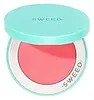 Key Ingredients
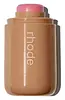
Benefits
Concerns
No concerns
Ingredients Side-by-side
Methyl Methacrylate Crosspolymer

Dimethicone
Emollient

Triethylhexanoin
MaskingSynthetic Fluorphlogopite
Lauroyl Lysine
Skin Conditioning
Mica
Cosmetic ColorantDimethicone/Vinyl Dimethicone Crosspolymer
Skin Conditioning
Aluminum Hydroxide
Emollient1,2-Hexanediol
Skin Conditioning
Methicone
Emollient
Silica
Abrasive

Tin Oxide
Abrasive
Niacinamide
Smoothing








Butylene Glycol
Humectant
Propanediol
Solvent
Hyaluronic Acid
Humectant
Hydrolyzed Hyaluronic Acid
Humectant
Sodium Hyaluronate
Humectant
CI 77891
Cosmetic ColorantCI 77491
Cosmetic ColorantCI 19140
Cosmetic ColorantCI 15850
Cosmetic ColorantCI 77499
Cosmetic ColorantMethyl Methacrylate Crosspolymer, Dimethicone, Triethylhexanoin, Synthetic Fluorphlogopite, Lauroyl Lysine, Mica, Dimethicone/Vinyl Dimethicone Crosspolymer, Aluminum Hydroxide, 1,2-Hexanediol, Methicone, Silica, Tin Oxide, Niacinamide, Butylene Glycol, Propanediol, Hyaluronic Acid, Hydrolyzed Hyaluronic Acid, Sodium Hyaluronate, CI 77891, CI 77491, CI 19140, CI 15850, CI 77499
Octyldodecanol
Emollient
Synthetic Wax
Abrasive
Hydrogenated Polyisobutene
EmollientCetyl Ethylhexanoate
EmollientPolyglyceryl-2 Triisostearate
Emulsifying

Hydrogenated Poly(C6-14 Olefin)
EmollientBis-Diglyceryl Polyacyladipate-2
Emollient
Kaolin
Abrasive
Silica
Abrasive
Magnesium/Potassium/Silicon/Fluoride/Hydroxide/Oxide
Glycerin
Humectant
Calophyllum Inophyllum Seed Oil
Antimicrobial

Palmitoyl Tripeptide-1
Skin Conditioning
Palmitoyl Tripeptide-5
Skin Conditioning
Caprylyl Glycol
Emollient
Caprylic/Capric Triglyceride
Masking
Glyceryl Caprylate
EmollientPentaerythrityl Tetraisostearate
Emollient
Aluminum Hydroxide
EmollientTriethoxycaprylylsilane
Water
Skin ConditioningPropylene Carbonate
SolventLauryl Polyglyceryl-3 Polydimethylsiloxyethyl Dimethicone
Skin Conditioning
Stearalkonium Hectorite
Gel FormingEthylhexylglycerin
Skin ConditioningCI 77891
Cosmetic ColorantIron Oxides
CI 45410
Cosmetic ColorantCI 42090
Cosmetic ColorantOctyldodecanol, Synthetic Wax, Hydrogenated Polyisobutene, Cetyl Ethylhexanoate, Polyglyceryl-2 Triisostearate, Hydrogenated Poly(C6-14 Olefin), Bis-Diglyceryl Polyacyladipate-2, Kaolin, Silica, Magnesium/Potassium/Silicon/Fluoride/Hydroxide/Oxide, Glycerin, Calophyllum Inophyllum Seed Oil, Palmitoyl Tripeptide-1, Palmitoyl Tripeptide-5, Caprylyl Glycol, Caprylic/Capric Triglyceride, Glyceryl Caprylate, Pentaerythrityl Tetraisostearate, Aluminum Hydroxide, Triethoxycaprylylsilane, Water, Propylene Carbonate, Lauryl Polyglyceryl-3 Polydimethylsiloxyethyl Dimethicone, Stearalkonium Hectorite, Ethylhexylglycerin, CI 77891, Iron Oxides, CI 45410, CI 42090
Reviews
Ingredients Explained
These ingredients are found in both products.
Ingredients higher up in an ingredient list are typically present in a larger amount.
Aluminum Hydroxide is a form of aluminum. It can be naturally found in nature as the mineral gibbsite. In cosmetics, Aluminum Hydroxide is used as a colorant, pH adjuster, and absorbent.
As a colorant, Aluminum Hydroxide may add opacity, or reduce the transparency. Aluminum hydroxide is contains both basic and acidic properties.
According to manufacturers, this ingredient is an emollient and humectant. This means it helps hydrate the skin.
In medicine, this ingredient is used to help relieve heartburn and help heal ulcers.
There is currently no credible scientific evidence linking aluminum hydroxide in cosmetics to increased cancer risk.
Major health organizations allow the use of aluminum hydroxide in personal care products and have not flagged it as a carcinogenic risk at typical usage levels.
Learn more about Aluminum HydroxideCi 77891 is a white pigment from Titanium dioxide. It is naturally found in minerals such as rutile and ilmenite.
It's main function is to add a white color to cosmetics. It can also be mixed with other colors to create different shades.
Ci 77891 is commonly found in sunscreens due to its ability to block UV rays.
Learn more about CI 77891Silica, also known as silicon dioxide, is a naturally occurring mineral. It is used as a fine, spherical, and porous powder in cosmetics.
Though it has exfoliant properties, the function of silica varies depending on the product.
The unique structure of silica enhances the spreadability and adds smoothness, making it a great texture enhancer.
It is also used as an active carrier, emulsifier, and mattifier due to its ability to absorb excess oil.
In some products, tiny microneedles called spicules are made from silica or hydrolyzed sponge. When you rub them in, they lightly polish away dead skin layers and enhance the penetration of active ingredients.
Learn more about Silica

