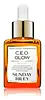
This brightening oil is formulated around Tetrahexyldecyl Ascorbate to brighten dull-looking skin.
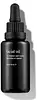
This hydrating oil is formulated around Rubus Idaeus Seed Oil and Vaccinium Macrocarpon Seed Oil to hydrate skin and calm redness.


What's inside
What's inside
 Key Ingredients
Benefits
Concerns
Ingredients Side-by-side
Rubus Idaeus Seed Oil
Emollient



Neopentyl Glycol Diethylhexanoate
Emollient
Caprylyl Caprylate/Caprate
Emollient
Simmondsia Chinensis Seed Oil
Emollient

Cucumis Sativus Seed Oil
Emollient
Punica Granatum Seed Oil
Emollient
Vaccinium Macrocarpon Seed Oil
Skin Conditioning

Oenothera Biennis Oil
Emollient
Octyldodecanol
Emollient
Tetrahexyldecyl Ascorbate
Antioxidant




Curcuma Longa Root Extract
Antioxidant
Helianthus Annuus Seed Oil Unsaponifiables
Emollient
Citrus Aurantium Amara Flower Oil
Masking
Melia Azadirachta Leaf Extract
Skin ConditioningEclipta Prostrata Extract
Skin Conditioning
Moringa Oleifera Seed Oil
Emollient
Tocopherol
Antioxidant


Helianthus Annuus Seed Oil
Emollient
Pentylene Glycol
Skin Conditioning
4-T-Butylcyclohexanol
Masking
Ribes Nigrum Seed Oil
Emollient
Bisabolol
Antioxidant
Cetylhydroxyproline Palmitamide
Skin ConditioningHexyldecanol
Emollient
Hydroxyphenyl Propamidobenzoic Acid
Skin ConditioningStearic Acid
Cleansing
Brassica Campestris Sterols
EmollientCardiospermum Halicacabum Flower/Leaf/Vine Extract
Skin ConditioningZingiber Officinale Root Extract
Masking
Rosmarinus Officinalis Leaf Extract
AntimicrobialRubus Idaeus Seed Oil, Neopentyl Glycol Diethylhexanoate, Caprylyl Caprylate/Caprate, Simmondsia Chinensis Seed Oil, Cucumis Sativus Seed Oil, Punica Granatum Seed Oil, Vaccinium Macrocarpon Seed Oil, Oenothera Biennis Oil, Octyldodecanol, Tetrahexyldecyl Ascorbate, Curcuma Longa Root Extract, Helianthus Annuus Seed Oil Unsaponifiables, Citrus Aurantium Amara Flower Oil, Melia Azadirachta Leaf Extract, Eclipta Prostrata Extract, Moringa Oleifera Seed Oil, Tocopherol, Helianthus Annuus Seed Oil, Pentylene Glycol, 4-T-Butylcyclohexanol, Ribes Nigrum Seed Oil, Bisabolol, Cetylhydroxyproline Palmitamide, Hexyldecanol, Hydroxyphenyl Propamidobenzoic Acid, Stearic Acid, Brassica Campestris Sterols, Cardiospermum Halicacabum Flower/Leaf/Vine Extract, Zingiber Officinale Root Extract, Rosmarinus Officinalis Leaf Extract
Reviews
Ingredients Explained
These ingredients are found in both products.
Ingredients higher up in an ingredient list are typically present in a larger amount.
Punica Granatum Seed Oil is created from the seeds of the pomegranate. Pomegranate seed oil helps hydrate the skin, is anti-inflammatory, and contains antioxidants.
Pomegranates are rich in fatty acids, including an unsaturated fatty acid by the name of Punicic acid. Other components of pomegranates include Vitamin E, Vitamin C, and bioactive lipids such as phytosterols, phospholipids, and triterpenes. Punicic acid helps soothe inflammation.
As an emollient, pomegranate oil creates a thin film on the skin. This film helps prevent moisture loss, keeping your skin hydrated.
Learn more about Punica Granatum Seed OilRubus Idaeus Seed Oil is created from the seeds of the raspberry fruit. Raspberries are native to northern Europe and Asia.
Raspberry seed oil is an emollient with antioxidant and anti-inflammatory properties. It is rich in fatty acids, tocopherols, flavonoids, Vitamin C, and Vitamin E.
As an emollient, raspberry seed oil helps hydrate your skin. Emollients prevent moisture from evaporating by creating a film on top.
Learn more about Rubus Idaeus Seed OilTocopherol is a fat-soluble antioxidant known as Vitamin E.
You'll find this ingredient in the vast majority of skincare (for good reason). It works to neutralize free radicals, or unstable molecules generated by UV exposure, pollution, and other environmental stressors, before they can cause oxidative damage to your skin cells.
Topically applied tocopherol has been shown to protect against UV damage by ramping up the skin's own natural defense enzymes.
It also acts as a skin conditioning agent; some studies show that regular topical use can improve the skin's water-binding capacity over 2-4 weeks.
This ingredient is especially loved for being a team player. When combined with Vitamin C, the photoprotective effect of both ingredients roughly doubles and the combo also helps reduce UV-induced DNA damage.
This ingredient has some brightening potential but it's more of a prevention ingredient than spot-fader. Cell studies show it can slow down melanin production but it's worth noting that it's not the most powerful brightener out there.
In formulations, it also serves as a stabilizer that helps protect other oxidation-prone ingredients from degrading.
Concentrations usually range from 0.1-1% in most leave-on products.
Learn more about TocopherolThis is a yellow-greenish oil cold-pressed from cranberry sides that's packed with a balanced 1:1 ratio of omega-3 (linolenic acid) and omega-6 (linolenic acid) fatty acids at around 30-38%.
There's also a solid dose of skin-nourishing omega-9, vitamin E, and polyphenols.
In cosmetics, it functions as an emollient with real staying power for hydration and barrier support.
Studies show it reduces oxidative stress in cells, lowers inflammatory markers, and has wound-healing potential that outperformed standard treatments in animal models.
It's also been shown to have antimicrobial properties against problematic bacteria while promoting beneficial skin flora.
Allergic reactions are rare but patch testing is a good idea if you have sensitive skin or fruit allergies.
Typical use concentrations are usually 2-20%.
Learn more about Vaccinium Macrocarpon Seed Oil

