
What's inside
What's inside
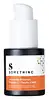 Key Ingredients
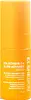
Benefits
Concerns
No concerns
Ingredients Side-by-side
Citrus Limon Fruit Extract
Masking
Glycerin
Humectant


Butylene Glycol
Humectant
3-O-Ethyl Ascorbic Acid
Skin Conditioning




Methylpropanediol
SolventAcetyl Glucosamine
Skin Conditioning

Pentylene Glycol
Skin Conditioning
1,2-Hexanediol
Skin Conditioning
Ferulic Acid
Antimicrobial
Ammonium Acryloyldimethyltaurate/Vp Copolymer
Caprylyl Glycol
Emollient
Sodium Hydroxide
BufferingXanthan Gum
EmulsifyingEthylhexylglycerin
Skin ConditioningSodium Phytate
Tocopherol
Antioxidant
Citrus Limon Fruit Extract, Glycerin, Butylene Glycol, 3-O-Ethyl Ascorbic Acid, Methylpropanediol, Acetyl Glucosamine, Pentylene Glycol, 1,2-Hexanediol, Ferulic Acid, Ammonium Acryloyldimethyltaurate/Vp Copolymer, Caprylyl Glycol, Sodium Hydroxide, Xanthan Gum, Ethylhexylglycerin, Sodium Phytate, Tocopherol
Water
Skin Conditioning3-O-Ethyl Ascorbic Acid
Skin Conditioning
Glycerin
Humectant
Alpha-Arbutin
Antioxidant
Pentylene Glycol
Skin Conditioning
Artemisia Capillaris Leaf Extract
Skin ConditioningCamellia Sinensis Leaf Extract
Antimicrobial

Mel Extract
MoisturisingPhenoxyethanol
Preservative
Sodium Benzoate
Masking
Caffeine
Skin Conditioning
Helianthus Annuus Sprout Extract
Skin ConditioningTerminalia Ferdinandiana Fruit Extract
Antioxidant
Chlorphenesin
Antimicrobial
Rubus Idaeus Fruit Extract
AstringentSodium Hydrosulfite
Tocopheryl Acetate
Antioxidant
Xanthan Gum
EmulsifyingButeth-3
SolventDaucus Carota Sativa Root Extract
Skin Conditioning
Ferulic Acid
Antimicrobial
Polyacrylate Crosspolymer-6
Emulsion StabilisingTetrasodium EDTA
Arginine
Masking
Hydrolyzed Algin
Sodium Hyaluronate
Humectant
Tributyl Citrate
SolventEthylhexylglycerin
Skin ConditioningHyaluronic Acid
Humectant
Hydrolyzed Hyaluronic Acid
Humectant
Hydrolyzed Sodium Hyaluronate
Skin Conditioning
Hydroxypropyltrimonium Hyaluronate
Potassium Hyaluronate
Skin ConditioningSodium Acetylated Hyaluronate
Humectant
Sodium Hyaluronate Crosspolymer
Humectant
Sodium Benzotriazolyl Butylphenol Sulfonate
UV AbsorberWater, 3-O-Ethyl Ascorbic Acid, Glycerin, Alpha-Arbutin, Pentylene Glycol, Artemisia Capillaris Leaf Extract, Camellia Sinensis Leaf Extract, Mel Extract, Phenoxyethanol, Sodium Benzoate, Caffeine, Helianthus Annuus Sprout Extract, Terminalia Ferdinandiana Fruit Extract, Chlorphenesin, Rubus Idaeus Fruit Extract, Sodium Hydrosulfite, Tocopheryl Acetate, Xanthan Gum, Buteth-3, Daucus Carota Sativa Root Extract, Ferulic Acid, Polyacrylate Crosspolymer-6, Tetrasodium EDTA, Arginine, Hydrolyzed Algin, Sodium Hyaluronate, Tributyl Citrate, Ethylhexylglycerin, Hyaluronic Acid, Hydrolyzed Hyaluronic Acid, Hydrolyzed Sodium Hyaluronate, Hydroxypropyltrimonium Hyaluronate, Potassium Hyaluronate, Sodium Acetylated Hyaluronate, Sodium Hyaluronate Crosspolymer, Sodium Benzotriazolyl Butylphenol Sulfonate
Reviews
Ingredients Explained
These ingredients are found in both products.
Ingredients higher up in an ingredient list are typically present in a larger amount.
3-O-Ethyl Ascorbic Acid is one of the most popular "stable" vitamin C derivatives in skincare.
Plain ascorbic acid is fantastic but notoriously fragile; it browns, oxidizes, and loses potency fast. So attaching an ethyl group to the third carbon of the molecule gives it some cool perks:
In a formula, it does the 3 classic vitamin C jobs: it acts as an antioxidant, helps brighten skin tone by inhibiting tyrosinase, and supports collagen.
The evidence is reasonably solid for a cosmetic ingredient; Liao and colleagues (2018) showed it's significantly more stable than ascorbic acid while still being effective.
A 2021 study by Zerbinati and colleagues tested a serum with 30% 3-O-ethyl-l-ascorbic acid and 1% lactic acid significantly increased collagen production, reduced UVB-induced DNA damage, and decreased melanin on a reconstructed pigmented skin model.
Typical real world usage sits around 0.5-5% (and 1-2% is common for daily serums).
Amounts up to 30% have been shown to be non-irritating on human skin samples, but two isolated cases reported allergic contact dermatitis so a patch test is sensible if you have reactive skin.
Learn more about 3-O-Ethyl Ascorbic AcidEthylhexylglycerin is created from glycerin. It is a multitasker ingredient that:
The CIR Expert Panel found minimal skin absorption or sensitization of any kind in a safety assessment. Though this ingredient is considered well-tolerated, a small number of cases of allergic dermatitis have been published since 2002. Just be sure to patch test if you are unsure.
Industry-reported use ranges from 8% in rinse-off products and 2% in leave-on formulations.
Learn more about EthylhexylglycerinFerulic Acid is a plant based antioxidant that can be naturally found in the cell walls of grains like rice, oats, and corn. It has antioxidant and antimicrobial properties, and has the ability to boost the performance of other antioxidants as well.
A well-known study found that adding Ferulic Acid to a solution of Vitamins C and E doubled the photoprotection of skin. This is why you'll often see it paired with Vitamin C or Vitamin E serums rather than sold on its own.
A 2025 review of 18 human studies found that using Ferulic Acid (0.5-1%) daily for one to three months showed improvements in:
As far as allergies go, Ferulic acid is generally well-tolerated but can cause an allergic reaction in very rare cases. It's also worth noting that Ferulic acid is often extracted from plant sources like rice bran or wheat bran, so be sure to path test if you have known grain allergies.
Outside of skincare, researchers are also looking into Ferulic Acid for its potential benefits in areas like diabetes, Alzheimer's, and heart health.
Learn more about Ferulic AcidGlycerin (or glycerol) is a compound naturally found in your skin. It's a powerhouse humectant that pulls water into the stratum corneum.
Topically, glycerin does several things at once:
Your skin makes glycerin on its own (mostly from sebaceous oil breakdown) and shuttles it to your outermost layer of skin, or your epidermis, via aquaporin-3.
Aquaporin-3 is a transporter that is essential for normal skin hydration, elasticity, and repair. Interestingly, mice lacking in AQP3 have dry and less elastic skin that can be fully corrected with glycerin.
This ingredient is non-irritating, plays well with almost every ingredient, and works across all skin types. Typical use is anywhere between 3-10% but can go up to 79% in some leave-on products.
Just know very high concentrations (>40%) can feel tacky in low humidity.
Glycerin is the name for this ingredient in American English. British English uses Glycerol/Glycerine.
Learn more about GlycerinPentylene Glycol (1,2-pentanediol) is a multitasking little diol with three main roles in a formula:
Research on alkanediols (the family pentylene glycol belongs to) show they work by disrupting microbial cell membranes. This disruption helps the primary preservative system in a product work more effectively at lower doses.
On the safety side, the Cosmetic Ingredient Review Expert Panel has concluded this ingredient to be safe as used in current cosmetic practices + concentrations.
Typical use levels in a formula run about 1-5%.
Learn more about Pentylene GlycolXanthan gum is used as a stabilizer and thickener within cosmetic products. It helps give products a sticky, thick feeling - preventing them from being too runny.
On the technical side of things, xanthan gum is a polysaccharide - a combination consisting of multiple sugar molecules bonded together.
Xanthan gum is a pretty common and great ingredient. It is a natural, non-toxic, non-irritating ingredient that is also commonly used in food products.
Learn more about Xanthan Gum

