Some By Mi Super Matcha Pore Tightening Toner Versus Beekman 1802 Magnesium Milk Barrier Reset Jelly Mist
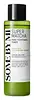
This pore-care toner is formulated around Camellia Sinensis Leaf Extract and Salix Alba Bark Extract to refine the look of pores and balance excess oil.
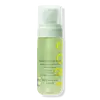
This barrier-repair toner is formulated around Magnesium PCA and Bisabolol to strengthen the skin barrier and calm redness.


What's inside
What's inside
 Key Ingredients
Benefits
Concerns
Ingredients Side-by-side
Camellia Sinensis Leaf Extract
Antimicrobial







Propanediol
Solvent
Salix Alba Bark Extract
Astringent
Niacinamide
Smoothing



1,2-Hexanediol
Skin Conditioning
Lithium Magnesium Sodium Silicate
AbsorbentCalcium Chloride
AstringentSilica
Abrasive
Sodium Citrate
BufferingPolyglyceryl-10 Laurate
Skin Conditioning

Polyglyceryl-10 Myristate
Skin Conditioning
Ethylhexylglycerin
Skin ConditioningAdenosine
Skin Conditioning
Glycerin
Humectant
Citric Acid
Buffering
Disodium EDTA
ChelatingParfum
Masking



Centella Asiatica Extract
Cleansing
Water
Skin ConditioningMelaleuca Alternifolia Leaf Water
Antimicrobial
Dioscorea Villosa Root Extract
Skin Conditioning
Butylene Glycol
Humectant
Madecassoside
Antioxidant
Asiaticoside
Antioxidant
Asiatic Acid
Skin Conditioning
Madecassic Acid
Skin Conditioning
Glyceryl Caprylate
EmollientHexyl Cinnamal
Perfuming
Camellia Sinensis Leaf Extract, Propanediol, Salix Alba Bark Extract, Niacinamide, 1,2-Hexanediol, Lithium Magnesium Sodium Silicate, Calcium Chloride, Silica, Sodium Citrate, Polyglyceryl-10 Laurate, Polyglyceryl-10 Myristate, Ethylhexylglycerin, Adenosine, Glycerin, Citric Acid, Disodium EDTA, Parfum, Centella Asiatica Extract, Water, Melaleuca Alternifolia Leaf Water, Dioscorea Villosa Root Extract, Butylene Glycol, Madecassoside, Asiaticoside, Asiatic Acid, Madecassic Acid, Glyceryl Caprylate, Hexyl Cinnamal
Water
Skin Conditioning1,2-Hexanediol
Skin Conditioning
Glycerin
Humectant
Gellan Gum
Ethylhexylglycerin
Skin ConditioningMagnesium PCA
Humectant
Bisabolol
Antioxidant
Propanediol
Solvent
Calcium Chloride
AstringentMelia Azadirachta Leaf Extract
Skin ConditioningSolanum Lycopersicum Fruit Extract
Antioxidant
Houttuynia Cordata Extract
Skin Conditioning
Aloe Barbadensis Leaf Extract
Emollient
Salix Alba Bark Extract
Astringent
Melia Azadirachta Flower Extract
Skin ConditioningMaltodextrin
Absorbent
Caprae Lac
Skin ConditioningCaprylic/Capric Triglyceride
Masking
Tephrosia Purpurea Seed Extract
Skin ConditioningHydroxymethoxyphenyl Decanone
Skin ConditioningSilica
Abrasive
Sorbitan Trioleate
Emulsifying
Apium Graveolens Seed Extract
Antioxidant
Linum Usitatissimum Seed Extract
Perfuming
Water, 1,2-Hexanediol, Glycerin, Gellan Gum, Ethylhexylglycerin, Magnesium PCA, Bisabolol, Propanediol, Calcium Chloride, Melia Azadirachta Leaf Extract, Solanum Lycopersicum Fruit Extract, Houttuynia Cordata Extract, Aloe Barbadensis Leaf Extract, Salix Alba Bark Extract, Melia Azadirachta Flower Extract, Maltodextrin, Caprae Lac, Caprylic/Capric Triglyceride, Tephrosia Purpurea Seed Extract, Hydroxymethoxyphenyl Decanone, Silica, Sorbitan Trioleate, Apium Graveolens Seed Extract, Linum Usitatissimum Seed Extract
Reviews
Ingredients Explained
These ingredients are found in both products.
Ingredients higher up in an ingredient list are typically present in a larger amount.
1,2-Hexanediol is a synthetic liquid and another multi-functional powerhouse.
It is a:
- Humectant, drawing moisture into the skin
- Emollient, helping to soften skin
- Solvent, dispersing and stabilizing formulas
- Preservative booster, enhancing the antimicrobial activity of other preservatives
Calcium chloride is a white, odorless, crystalline solid. It is an astringent and can be used to change the viscosity of products.
This ingredient is highly soluble in water, acetic acid, and ethanol.
There are many forms of this ingredient, including monohydrate, dihydrate, tetrahydrate, and hexahydrate.
Learn more about Calcium ChlorideEthylhexylglycerin is created from glycerin. It is a multitasker ingredient that:
The CIR Expert Panel found minimal skin absorption or sensitization of any kind in a safety assessment. Though this ingredient is considered well-tolerated, a small number of cases of allergic dermatitis have been published since 2002. Just be sure to patch test if you are unsure.
Industry-reported use ranges from 8% in rinse-off products and 2% in leave-on formulations.
Learn more about EthylhexylglycerinGlycerin (or glycerol) is a compound naturally found in your skin. It's a powerhouse humectant that pulls water into the stratum corneum.
Topically, glycerin does several things at once:
Your skin makes glycerin on its own (mostly from sebaceous oil breakdown) and shuttles it to your outermost layer of skin, or your epidermis, via aquaporin-3.
Aquaporin-3 is a transporter that is essential for normal skin hydration, elasticity, and repair. Interestingly, mice lacking in AQP3 have dry and less elastic skin that can be fully corrected with glycerin.
This ingredient is non-irritating, plays well with almost every ingredient, and works across all skin types. Typical use is anywhere between 3-10% but can go up to 79% in some leave-on products.
Just know very high concentrations (>40%) can feel tacky in low humidity.
Glycerin is the name for this ingredient in American English. British English uses Glycerol/Glycerine.
Learn more about GlycerinPropanediol is an all-star ingredient. It softens, hydrates, and smooths the skin.
It’s often used to:
Propanediol is not likely to cause sensitivity and considered safe to use. It is derived from corn or petroleum with a clear color and no scent.
Learn more about PropanediolSalix Alba Bark Extract comes from the bark of the white willow tree. The official CosIng listing states this ingredient to have astringent, skin conditioning, soothing, and tonic properties.
Its star compound is salicin, a natural glucoside that is chemically related to salicylic acid. That's why you'll often see it marketed as a "natural BHA alternative" but that's a bit of a stretch.
Your skin can't convert salicin to salicylic acid because it needs specific enzymes that aren't present on the skin's surface. It won't behave like true salicylic acid, especially at the concentrations used in cosmetics.
However, this ingredient has its own perks. It contains flavonoids, polyphenols, and tannins that give it proven antioxidant and soothing properties.
An 8-week clinical study found a cream with 2% of this extract improved skin microcirculation, elasticity, and dark circles. This is most likely due to its role in increasing hyaluronic acid synthesis in fibroblasts and improved vascular integrity.
Another study found a topical serum with 0.5% salicin showed improvements in visible signs of aging, hyperpigmentation, and texture.
Just be careful if you have a known aspirin/salicylate allergy and be sure to consult with a medical professional about using this ingredient if you do.
Fun fact: Willow Bark extract has been used for thousands of years and ancient civilizations used white willow to help treat pain and fevers.
Learn more about Salix Alba Bark ExtractSilica, also known as silicon dioxide, is a naturally occurring mineral. It is used as a fine, spherical, and porous powder in cosmetics.
Though it has exfoliant properties, the function of silica varies depending on the product.
The unique structure of silica enhances the spreadability and adds smoothness, making it a great texture enhancer.
It is also used as an active carrier, emulsifier, and mattifier due to its ability to absorb excess oil.
In some products, tiny microneedles called spicules are made from silica or hydrolyzed sponge. When you rub them in, they lightly polish away dead skin layers and enhance the penetration of active ingredients.
Learn more about SilicaWater. It's the most common cosmetic ingredient of all. You'll usually see it at the top of ingredient lists, meaning that it makes up the largest part of the product.
So why is it so popular? Water most often acts as a solvent - this means that it helps dissolve other ingredients into the formulation.
You'll also recognize water as that liquid we all need to stay alive. If you see this, drink a glass of water. Remember to stay hydrated!
Learn more about Water

