Flaner Cypress Aloe Juice Calming Ampoule Pad Versus Beekman 1802 Magnesium Milk Barrier Reset Jelly Mist
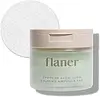
This calming toner pad uses a pre-saturated pad with Panthenol and Aloe Barbadensis Leaf Extract to calm redness and hydrate skin.
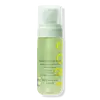
This barrier-repair toner is formulated around Magnesium PCA and Bisabolol to strengthen the skin barrier and calm redness.


What's inside
What's inside
 Key Ingredients
Benefits
Concerns
Ingredients Side-by-side
Water
Skin ConditioningDipropylene Glycol
HumectantChamaecyparis Obtusa Water
Masking1,2-Hexanediol
Skin Conditioning
Propanediol
Solvent
Glycerin
Humectant
C12-14 Alketh-12
EmulsifyingPanthenol
Skin Conditioning

Hydroxyacetophenone
Antioxidant
Caprylyl Glycol
Emollient
Butylene Glycol
Humectant
Arginine
Masking
Carbomer
Emulsion StabilisingEthylhexylglycerin
Skin ConditioningAllantoin
Skin Conditioning
Aloe Barbadensis Leaf Extract
Emollient
Dipotassium Glycyrrhizate
Humectant
Centella Asiatica Extract
Cleansing

Melaleuca Alternifolia Leaf Oil
Antioxidant






Melia Azadirachta Leaf Extract
Skin ConditioningMenthyl Lactate
Masking
Melia Azadirachta Flower Extract
Skin ConditioningPantolactone
Humectant
Sodium Hyaluronate Crosspolymer
Humectant
Hydrolyzed Glycosaminoglycans
HumectantSodium Hyaluronate
Humectant
Benzyl Glycol
SolventHydrolyzed Hyaluronic Acid
Humectant
Hyaluronic Acid
Humectant
Raspberry Ketone
Masking
Disodium EDTA
ChelatingWater, Dipropylene Glycol, Chamaecyparis Obtusa Water, 1,2-Hexanediol, Propanediol, Glycerin, C12-14 Alketh-12, Panthenol, Hydroxyacetophenone, Caprylyl Glycol, Butylene Glycol, Arginine, Carbomer, Ethylhexylglycerin, Allantoin, Aloe Barbadensis Leaf Extract, Dipotassium Glycyrrhizate, Centella Asiatica Extract, Melaleuca Alternifolia Leaf Oil, Melia Azadirachta Leaf Extract, Menthyl Lactate, Melia Azadirachta Flower Extract, Pantolactone, Sodium Hyaluronate Crosspolymer, Hydrolyzed Glycosaminoglycans, Sodium Hyaluronate, Benzyl Glycol, Hydrolyzed Hyaluronic Acid, Hyaluronic Acid, Raspberry Ketone, Disodium EDTA
Water
Skin Conditioning1,2-Hexanediol
Skin Conditioning
Glycerin
Humectant
Gellan Gum
Ethylhexylglycerin
Skin ConditioningMagnesium PCA
Humectant
Bisabolol
Antioxidant
Propanediol
Solvent
Calcium Chloride
AstringentMelia Azadirachta Leaf Extract
Skin ConditioningSolanum Lycopersicum Fruit Extract
Antioxidant
Houttuynia Cordata Extract
Skin Conditioning
Aloe Barbadensis Leaf Extract
Emollient
Salix Alba Bark Extract
Astringent
Melia Azadirachta Flower Extract
Skin ConditioningMaltodextrin
Absorbent
Caprae Lac
Skin ConditioningCaprylic/Capric Triglyceride
Masking
Tephrosia Purpurea Seed Extract
Skin ConditioningHydroxymethoxyphenyl Decanone
Skin ConditioningSilica
Abrasive

Sorbitan Trioleate
Emulsifying
Apium Graveolens Seed Extract
Antioxidant
Linum Usitatissimum Seed Extract
Perfuming
Water, 1,2-Hexanediol, Glycerin, Gellan Gum, Ethylhexylglycerin, Magnesium PCA, Bisabolol, Propanediol, Calcium Chloride, Melia Azadirachta Leaf Extract, Solanum Lycopersicum Fruit Extract, Houttuynia Cordata Extract, Aloe Barbadensis Leaf Extract, Salix Alba Bark Extract, Melia Azadirachta Flower Extract, Maltodextrin, Caprae Lac, Caprylic/Capric Triglyceride, Tephrosia Purpurea Seed Extract, Hydroxymethoxyphenyl Decanone, Silica, Sorbitan Trioleate, Apium Graveolens Seed Extract, Linum Usitatissimum Seed Extract
Reviews
Ingredients Explained
These ingredients are found in both products.
Ingredients higher up in an ingredient list are typically present in a larger amount.
1,2-Hexanediol is a synthetic liquid and another multi-functional powerhouse.
It is a:
- Humectant, drawing moisture into the skin
- Emollient, helping to soften skin
- Solvent, dispersing and stabilizing formulas
- Preservative booster, enhancing the antimicrobial activity of other preservatives
Aloe Barbadensis Leaf Extract is a botanical extract pulled from the leaves of aloe vera and one of the most studied plant ingredients in cosmetics.
The inner leaf gel it comes from is mostly water (~99-99.5%) and the remaining fraction is made up of pretty good stuff: polysaccharides, vitamins, phenolics, and enzymes.
Its headline job is hydration.
The star polysaccharide in aloe, acemannan, is a humectant that retains moisture and helps reduce trans-epidermal water loss.
Aloe also has real soothing credentials; it contains anti-inflammatory compounds like bradykinase and C-glucosyl chromone that help calm irritation and redness.
On the repair side, lab work shows that acemannan wakes up your skin's repair cells (fibroblasts), prompting them to multiply and speed up healing.
There's some human data for cosmetic benefit too: a cream containing 10% Aloe Barbadensis leaf extract improved skin hydration and elasticity in a real-use study.
Safety-wise, this ingredient is well-regarded with just one rare downside; there have been some case reports of acute eczema, contact urticaria, and dermatitis in people who applied aloe-derived ingredients topically. Those with a known aloe or Liliaceae sensitivity should patch test.
Typical use levels range widely, from under 1% up to 90%+ depending on the format and the effect you are after.
Learn more about Aloe Barbadensis Leaf ExtractEthylhexylglycerin is created from glycerin. It is a multitasker ingredient that:
The CIR Expert Panel found minimal skin absorption or sensitization of any kind in a safety assessment. Though this ingredient is considered well-tolerated, a small number of cases of allergic dermatitis have been published since 2002. Just be sure to patch test if you are unsure.
Industry-reported use ranges from 8% in rinse-off products and 2% in leave-on formulations.
Learn more about EthylhexylglycerinGlycerin (or glycerol) is a compound naturally found in your skin. It's a powerhouse humectant that pulls water into the stratum corneum.
Topically, glycerin does several things at once:
Your skin makes glycerin on its own (mostly from sebaceous oil breakdown) and shuttles it to your outermost layer of skin, or your epidermis, via aquaporin-3.
Aquaporin-3 is a transporter that is essential for normal skin hydration, elasticity, and repair. Interestingly, mice lacking in AQP3 have dry and less elastic skin that can be fully corrected with glycerin.
This ingredient is non-irritating, plays well with almost every ingredient, and works across all skin types. Typical use is anywhere between 3-10% but can go up to 79% in some leave-on products.
Just know very high concentrations (>40%) can feel tacky in low humidity.
Glycerin is the name for this ingredient in American English. British English uses Glycerol/Glycerine.
Learn more about GlycerinMelia Azadirachta Flower Extract is from the Neem tree. Neem trees originate from India.
Melia Azadirachta Flower Extract contains antioxidants. Antioxidants help fight free-radicals. Free-radicals are molecules that may damage your skin cells, such as pollution.
The flowers of this tree are lilac colored.
Learn more about Melia Azadirachta Flower ExtractThis ingredient is also known as neem leaf extract. It contains natural compounds like nimbidin, quercetin, and other polyphenols that give it antibacterial, antifungal, and anti-inflammatory activity.
Lab studies have shown neem leaf extract can inhibit acne-related bacteria and help calm skin. Animal studies on wound gels using 1-3% neem leaf extract found it sped up healing without causing irritation.
A wound-healing study testing gels with the extract at 1%, 2%, and 3% concentrations and found none of them irritated the skin.
Most commercial products also use it in a similar low range (typically under 5%).
Allergy-wise, there are some case reports on neem oil causing allergic contact dermatitis so people with plant/botanical sensitivities may want to patch test first.
Learn more about Melia Azadirachta Leaf ExtractPropanediol is an all-star ingredient. It softens, hydrates, and smooths the skin.
It’s often used to:
Propanediol is not likely to cause sensitivity and considered safe to use. It is derived from corn or petroleum with a clear color and no scent.
Learn more about PropanediolWater. It's the most common cosmetic ingredient of all. You'll usually see it at the top of ingredient lists, meaning that it makes up the largest part of the product.
So why is it so popular? Water most often acts as a solvent - this means that it helps dissolve other ingredients into the formulation.
You'll also recognize water as that liquid we all need to stay alive. If you see this, drink a glass of water. Remember to stay hydrated!
Learn more about Water

