Skintific 3X Acid Acne Gel Cleanser Versus Glad2Glow Tremella Vita B5 Sensitive Calming Gel Cleanser
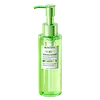
This salicylic acid gel cleanser is formulated around Salicylic Acid to clear breakouts and unclog pores.
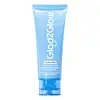
This mild gel cleanser is made to cleanse while calming and soothing your skin.


What's inside
What's inside
 Key Ingredients
Benefits
Concerns
Ingredients Side-by-side
Water
Skin ConditioningPotassium Cocoyl Glycinate
Surfactant
Hydrogenated Starch Hydrolysate
HumectantAcrylates/Steareth-20 Methacrylate Crosspolymer
Potassium Cocoate
Emulsifying

Sodium Lauroamphoacetate
CleansingLauryl Hydroxysultaine
CleansingPhenoxyethanol
Preservative
Erythritol
Humectant
Betaine
Humectant

Caprylyl Glycol
Emollient
C12-13 Alketh-9
EmulsifyingParfum
Masking



Potassium Hydroxide
BufferingSodium Chloride
MaskingDisodium EDTA
Glycosyl Trehalose
Emulsion StabilisingDipropylene Glycol
HumectantQuaternium-73
Caramel
Cosmetic ColorantHydroxyacetophenone
Antioxidant
Salicylic Acid
Masking





Allantoin
Skin Conditioning

Lactobionic Acid
Buffering

Lactic Acid
Buffering

Butylene Glycol
Humectant
Hydroxypropyl Cyclodextrin
MaskingCI 19140
Cosmetic ColorantCentella Asiatica Extract
Cleansing
1,2-Hexanediol
Skin Conditioning
CI 42100
Cosmetic ColorantEthylhexylglycerin
Skin ConditioningWater, Potassium Cocoyl Glycinate, Hydrogenated Starch Hydrolysate, Acrylates/Steareth-20 Methacrylate Crosspolymer, Potassium Cocoate, Sodium Lauroamphoacetate, Lauryl Hydroxysultaine, Phenoxyethanol, Erythritol, Betaine, Caprylyl Glycol, C12-13 Alketh-9, Parfum, Potassium Hydroxide, Sodium Chloride, Disodium EDTA, Glycosyl Trehalose, Dipropylene Glycol, Quaternium-73, Caramel, Hydroxyacetophenone, Salicylic Acid, Allantoin, Lactobionic Acid, Lactic Acid, Butylene Glycol, Hydroxypropyl Cyclodextrin, CI 19140, Centella Asiatica Extract, 1,2-Hexanediol, CI 42100, Ethylhexylglycerin
Water
Skin ConditioningGlycerin
Humectant
Acrylates Copolymer
Sodium Cocoyl Alaninate
Surfactant
Panthenol
Skin Conditioning
Hydroxyacetophenone
Antioxidant
1,2-Hexanediol
Skin Conditioning
Potassium Hydroxide
BufferingCentella Asiatica Leaf Extract
Skin Conditioning
Allantoin
Skin Conditioning
Tremella Fuciformis Sporocarp Extract
Antioxidant
Sodium Hyaluronate
Humectant
Cetyl Alcohol
Emollient
Maltooligosyl Glucoside
Skin ConditioningCitrus Paradisi Peel Oil
Masking

Citrus Aurantium Bergamia Fruit Oil
Masking
Styrene/Acrylates Copolymer
Water, Glycerin, Acrylates Copolymer, Sodium Cocoyl Alaninate, Panthenol, Hydroxyacetophenone, 1,2-Hexanediol, Potassium Hydroxide, Centella Asiatica Leaf Extract, Allantoin, Tremella Fuciformis Sporocarp Extract, Sodium Hyaluronate, Cetyl Alcohol, Maltooligosyl Glucoside, Citrus Paradisi Peel Oil, Citrus Aurantium Bergamia Fruit Oil, Styrene/Acrylates Copolymer
Reviews
Ingredients Explained
These ingredients are found in both products.
Ingredients higher up in an ingredient list are typically present in a larger amount.
1,2-Hexanediol is a synthetic liquid and another multi-functional powerhouse.
It is a:
- Humectant, drawing moisture into the skin
- Emollient, helping to soften skin
- Solvent, dispersing and stabilizing formulas
- Preservative booster, enhancing the antimicrobial activity of other preservatives
Allantoin is a soothing ingredient known for its protective and moisturizing properties; it's basically a quiet workhorse ingredient you can find in a huge range of cosmetics.
Though it can be derived from the comfrey plant, allantoin is produced synthetically for cosmetic products to ensure purity.
Research shows it can encourage your skin cells to turn over and renew by stimulating keratinocyte and fibroblast proliferation.
It also has mild keratolytic properties to help loosen and shed dead skin cells without being harsh.
Studies also suggest allantoin can help calm inflammation by dialing down some of the chemical signals your skin sends out when it is irritated.
This ingredient is typically used in the 0.1-0.5% range, and the FDA recognizes it as a skin protectant in OTC products up to 2%.
Overall, allantoin is a wonderful addition to most routines; it is stable across a wide pH range (~4-8), works well with other ingredients, and is considered non-sensitizing/non-irritating.
Fun fact: Allantoin is naturally occurring in comfrey root, beets, chamomile, and wheat sprouts. Our bodies even produce it as a byproduct of uric acid metabolism.
Learn more about AllantoinHydroxyacetophenone is a small phenolic molecule that earns its place in a formulas as an antioxidant and preservative booster.
As a phenol, it is able to neutralize free radicals to protect both the product and the skin from oxidative stress.
Though it can't kill microbes on its own, it works as a good supporting agent when combined with other preservatives like Phenoxyethanol or 1,2-Hexanediol.
This ingredient naturally occurs as piceol in Norwegian spruce needles (~0.4-1.1% dry weight and in cloudberries). Though the cosmetic-grade material is synthesized for purity and consistency.
You'll usually see it used at low levels and suppliers recommend up to 1% added to a water phase.
Safety testing was done at concentrations like 0.05% in SPF products and 0.5% in a Human Repeated Insult Patch Test. The safety evidence is assuring; this ingredient is safe for cosmetics in current use and also holds safety status as a food flavoring as well.
An honest caveat: the "soothing" and "anti-inflammatory" claims come mostly from supplier marketing rather than published clinical trials. The Cosmetic Ingredient Review's own literature search found no useful efficacy studies on this ingredient.
So the antioxidant and preservative-boosting roles are the well supported ones while the calming benefit is plausible but thinly evidenced.
Overall, this is a well-tolerated, low-irritation multitasker that quietly helps a formula stay fresh and stable.
Learn more about HydroxyacetophenonePotassium Hydroxide (also known as potash) is a strong alkaline ingredient that does one job: it nudges a product's pH up so the whole formula lands in a skin-friendly range.
It's also the base that turns oils into liquid soap during the soap making process.
An expert safety panel reviewed it and found it safe when formulations are made to be non-irritating.
As a pH adjuster, it's typically used well under 1% though regulatory caps go much higher: 5% in nail cuticle removers and 2-4.5% in hair straighteners.
Though there is some concern for irritation from raw or high pH material, a well-balanced formula will be a non-issue for the vast majority of people.
Learn more about Potassium HydroxideWater. It's the most common cosmetic ingredient of all. You'll usually see it at the top of ingredient lists, meaning that it makes up the largest part of the product.
So why is it so popular? Water most often acts as a solvent - this means that it helps dissolve other ingredients into the formulation.
You'll also recognize water as that liquid we all need to stay alive. If you see this, drink a glass of water. Remember to stay hydrated!
Learn more about Water

