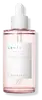
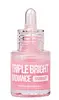
SKIN1004 Madagascar Centella Poremizing Fresh Ampoule Versus Glamazing Triple Bright Radiance Skindrop's
This smoothing ampoule is formulated around Centella Asiatica Extract and Acetyl Hexapeptide-8 to refine skin texture and soften the look of wrinkles.
This brightening serum is formulated around Niacinamide and Alpha-Arbutin to fade the look of dark spots and brighten dull-looking skin.


What's inside
What's inside
 Key Ingredients
Benefits
Ingredients Side-by-side
Water
Skin ConditioningButylene Glycol
Humectant

Propanediol
Solvent
1,2-Hexanediol
Skin Conditioning
Aloe Barbadensis Leaf Extract
Emollient

Centella Asiatica Extract
Cleansing


Glycereth-26
Humectant
Hydroxyacetophenone
Antioxidant
Glycerin
Humectant
Carbomer
Emulsion StabilisingTromethamine
BufferingPanthenol
Skin Conditioning
Ethylhexylglycerin
Skin ConditioningDisodium EDTA
Dipotassium Glycyrrhizate
Humectant
Ammonium Polyacryloyldimethyl Taurate
Emulsion StabilisingBiosaccharide Gum-1
Humectant
Hyaluronic Acid
Humectant
Hydrolyzed Hyaluronic Acid
Humectant
Sodium Hyaluronate
Humectant
Hydroxyethylcellulose
Emulsion StabilisingChamomilla Recutita Flower Extract
Masking
Mineral Salts
Skin ConditioningTripeptide-3
Skin Conditioning
Acetyl Hexapeptide-8
Humectant
Acetyl Octapeptide-3
Humectant
Copper Tripeptide-1
Skin Conditioning
Palmitoyl Pentapeptide-4
Skin Conditioning
Palmitoyl Tetrapeptide-7
Skin Conditioning
Palmitoyl Tripeptide-1
Skin Conditioning
Tripeptide-1
Skin Conditioning
Tripeptide-2
Skin Conditioning
Water, Butylene Glycol, Propanediol, 1,2-Hexanediol, Aloe Barbadensis Leaf Extract, Centella Asiatica Extract, Glycereth-26, Hydroxyacetophenone, Glycerin, Carbomer, Tromethamine, Panthenol, Ethylhexylglycerin, Disodium EDTA, Dipotassium Glycyrrhizate, Ammonium Polyacryloyldimethyl Taurate, Biosaccharide Gum-1, Hyaluronic Acid, Hydrolyzed Hyaluronic Acid, Sodium Hyaluronate, Hydroxyethylcellulose, Chamomilla Recutita Flower Extract, Mineral Salts, Tripeptide-3, Acetyl Hexapeptide-8, Acetyl Octapeptide-3, Copper Tripeptide-1, Palmitoyl Pentapeptide-4, Palmitoyl Tetrapeptide-7, Palmitoyl Tripeptide-1, Tripeptide-1, Tripeptide-2
Water
Skin ConditioningNiacinamide
Smoothing





Alpha-Arbutin
Antioxidant
Tranexamic Acid
Astringent
Butylene Glycol
Humectant
Propanediol
Solvent
Glycerin
Humectant
Phenoxyethanol
Preservative
Ammonium Polyacryloyldimethyl Taurate
Emulsion StabilisingAllantoin
Skin Conditioning
Chlorphenesin
Antimicrobial
Carica Papaya Fruit Extract
Skin ConditioningPyrus Malus Fruit Extract
Skin Conditioning
Prunus Mume Fruit Extract
Humectant
Vitis Vinifera
MaskingBisabolol
Antioxidant
Biosaccharide Gum-1
Humectant
4-Butylresorcinol
Antioxidant
Tetrasodium EDTA
Sodium Hyaluronate
Humectant
Water, Niacinamide, Alpha-Arbutin, Tranexamic Acid, Butylene Glycol, Propanediol, Glycerin, Phenoxyethanol, Ammonium Polyacryloyldimethyl Taurate, Allantoin, Chlorphenesin, Carica Papaya Fruit Extract, Pyrus Malus Fruit Extract, Prunus Mume Fruit Extract, Vitis Vinifera, Bisabolol, Biosaccharide Gum-1, 4-Butylresorcinol, Tetrasodium EDTA, Sodium Hyaluronate
Reviews
Ingredients Explained
These ingredients are found in both products.
Ingredients higher up in an ingredient list are typically present in a larger amount.
Ammonium Polyacryloyldimethyl Taurate is a polymer made from ammonium salts. It works as a thickener, emulsifier, and texture enhancer that gives gel-creams a silky, lightweight feel.
This ingredient is versatile and low-maintenance so manufacturers love working with it.
Typical usage levels in cosmetics are usually low and in the range of 0.015 - 2.3%.
Learn more about Ammonium Polyacryloyldimethyl TaurateBiosaccharide Gum-1 is a sugar created by fermenting sorbitol (which usually comes from potato starch!). It is known for its soothing and moisturizing properties.
Manufacturer tests show this ingredient helped reduce irritation from lactic acid by almost half and kept skin hydrated long-term as a humectant
Beyond hydration, Biosaccharide Gum-1 gives formulas a silky, non-sticky feel.
This ingredient is gentle, versatile, and suitable for all skin types.
Fun fact: Similar sugars can be found naturally in fruits like apples and pears.
Learn more about Biosaccharide Gum-1Butylene Glycol (or BG) is used within cosmetic products for a few different reasons:
Overall, Butylene Glycol is a safe and well-rounded ingredient that works well with other ingredients.
Though this ingredient works well with most skin types, some people with sensitive skin may experience a reaction such as allergic rashes, closed comedones, or itchiness.
Learn more about Butylene GlycolGlycerin (or glycerol) is a compound naturally found in your skin. It's a powerhouse humectant that pulls water into the stratum corneum.
Topically, glycerin does several things at once:
Your skin makes glycerin on its own (mostly from sebaceous oil breakdown) and shuttles it to your outermost layer of skin, or your epidermis, via aquaporin-3.
Aquaporin-3 is a transporter that is essential for normal skin hydration, elasticity, and repair. Interestingly, mice lacking in AQP3 have dry and less elastic skin that can be fully corrected with glycerin.
This ingredient is non-irritating, plays well with almost every ingredient, and works across all skin types. Typical use is anywhere between 3-10% but can go up to 79% in some leave-on products.
Just know very high concentrations (>40%) can feel tacky in low humidity.
Glycerin is the name for this ingredient in American English. British English uses Glycerol/Glycerine.
Learn more about GlycerinPropanediol is an all-star ingredient. It softens, hydrates, and smooths the skin.
It’s often used to:
Propanediol is not likely to cause sensitivity and considered safe to use. It is derived from corn or petroleum with a clear color and no scent.
Learn more about PropanediolSodium Hyaluronate is the salt form of hyaluronic acid. It is a long sugar chain that is naturally found in your skin, joints, and connective tissue that maintains hydration and elasticity.
In skincare, it works as a humectant. It pulls water from the environment and deeper layers of skin and binds it to the surface.
Interestingly, the size of the molecule affects its behavior:
Some clinical evidence links low molecular weight versions to improved wrinkle depth, elasticity, anti-inflammatory effects, and barrier repair.
Many serums use a blend of both weights so you can get surface hydration plus longer-lasting and deeper effects.
You'll typically see concentrations between 0.1-2% for this ingredient.
Learn more about Sodium HyaluronateWater. It's the most common cosmetic ingredient of all. You'll usually see it at the top of ingredient lists, meaning that it makes up the largest part of the product.
So why is it so popular? Water most often acts as a solvent - this means that it helps dissolve other ingredients into the formulation.
You'll also recognize water as that liquid we all need to stay alive. If you see this, drink a glass of water. Remember to stay hydrated!
Learn more about Water

