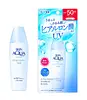
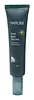
This hybrid sunscreen covers the full UV range, though its SPF isn't confirmed on file yet.
This chemical sunscreen covers the full UV range and blocks ~98% of UVB at SPF 50.


What's inside
What's inside
 Key Ingredients
Benefits
Concerns
Ingredients Side-by-side
Water
Skin ConditioningCyclopentasiloxane
Emollient
Zinc Oxide
Cosmetic Colorant


Ethylhexyl Methoxycinnamate
UV Absorber
Butylene Glycol
Humectant

Diethylhexyl Succinate
EmollientPolymethylsilsesquioxane
Hydrated Silica
Abrasive
Glycerin
Humectant
Lauroyl Lysine
Skin Conditioning
Lauryl PEG-9 Polydimethylsiloxyethyl Dimethicone
Skin Conditioning
Diethylamino Hydroxybenzoyl Hexyl Benzoate
UV Filter
Sodium Hyaluronate
Humectant


Acrylates Copolymer
Hydrogen Dimethicone
Phenoxyethanol
Preservative
Triethoxysilylethyl Polydimethylsiloxyethyl Dimethicone
Skin Conditioning
Methylparaben
Preservative

Disodium EDTA
Sodium Acetylated Hyaluronate
Humectant
Hydrolyzed Collagen
Emollient
Arginine
Masking
Bis-Ethylhexyl Hydroxydimethoxy Benzylmalonate
Antioxidant
Water, Cyclopentasiloxane, Zinc Oxide, Ethylhexyl Methoxycinnamate, Butylene Glycol, Diethylhexyl Succinate, Polymethylsilsesquioxane, Hydrated Silica, Glycerin, Lauroyl Lysine, Lauryl PEG-9 Polydimethylsiloxyethyl Dimethicone, Diethylamino Hydroxybenzoyl Hexyl Benzoate, Sodium Hyaluronate, Acrylates Copolymer, Hydrogen Dimethicone, Phenoxyethanol, Triethoxysilylethyl Polydimethylsiloxyethyl Dimethicone, Methylparaben, Disodium EDTA, Sodium Acetylated Hyaluronate, Hydrolyzed Collagen, Arginine, Bis-Ethylhexyl Hydroxydimethoxy Benzylmalonate
Water
Skin ConditioningGlycerin
Humectant
Dibutyl Adipate
EmollientButyloctyl Salicylate
Skin Conditioning
Diethylamino Hydroxybenzoyl Hexyl Benzoate
UV Filter
Bis-Ethylhexyloxyphenol Methoxyphenyl Triazine
Skin Conditioning
Butylene Glycol
Humectant
Ethylhexyl Triazone
UV Absorber
Pentylene Glycol
Skin Conditioning
Isoamyl P-Methoxycinnamate
UV Absorber
Polysilicone-15
UV Filter
Centella Asiatica Leaf Water
Skin Conditioning
Inulin Lauryl Carbamate
Emulsion StabilisingChrysanthemum Parthenium Extract
Skin ConditioningChamomilla Recutita Extract
Skin Conditioning
Sodium Acrylate/Sodium Acryloyldimethyl Taurate Copolymer
Emulsion StabilisingAcrylates/C10-30 Alkyl Acrylate Crosspolymer
Emulsion StabilisingTromethamine
BufferingIsohexadecane
EmollientGlyceryl Caprylate
EmollientCaprylyl Glycol
Emollient
Polysorbate 80
Emulsifying

Camellia Japonica Leaf Extract
Skin ConditioningSorbitan Oleate
Emulsifying
Water, Glycerin, Dibutyl Adipate, Butyloctyl Salicylate, Diethylamino Hydroxybenzoyl Hexyl Benzoate, Bis-Ethylhexyloxyphenol Methoxyphenyl Triazine, Butylene Glycol, Ethylhexyl Triazone, Pentylene Glycol, Isoamyl P-Methoxycinnamate, Polysilicone-15, Centella Asiatica Leaf Water, Inulin Lauryl Carbamate, Chrysanthemum Parthenium Extract, Chamomilla Recutita Extract, Sodium Acrylate/Sodium Acryloyldimethyl Taurate Copolymer, Acrylates/C10-30 Alkyl Acrylate Crosspolymer, Tromethamine, Isohexadecane, Glyceryl Caprylate, Caprylyl Glycol, Polysorbate 80, Camellia Japonica Leaf Extract, Sorbitan Oleate
Reviews
Ingredients Explained
These ingredients are found in both products.
Ingredients higher up in an ingredient list are typically present in a larger amount.
Butylene Glycol (or BG) is used within cosmetic products for a few different reasons:
Overall, Butylene Glycol is a safe and well-rounded ingredient that works well with other ingredients.
Though this ingredient works well with most skin types, some people with sensitive skin may experience a reaction such as allergic rashes, closed comedones, or itchiness.
Learn more about Butylene GlycolDiethylamino Hydroxybenzoyl Hexyl Benzoate (DHHB) is a chemical UV-A absorber. It is formulated for high UVA protection (320-400 nm).
DHHB is well-liked for:
DHHB has been approved by the EU, Japan, Taiwan, and South America for use up to 10%. Unfortunately, it has not been approved for use in the US or Canada due to slow regulatory processes.
This ingredient is soluble in oils, fats, and lipids.
Learn more about Diethylamino Hydroxybenzoyl Hexyl BenzoateGlycerin (or glycerol) is a compound naturally found in your skin. It's a powerhouse humectant that pulls water into the stratum corneum.
Topically, glycerin does several things at once:
Your skin makes glycerin on its own (mostly from sebaceous oil breakdown) and shuttles it to your outermost layer of skin, or your epidermis, via aquaporin-3.
Aquaporin-3 is a transporter that is essential for normal skin hydration, elasticity, and repair. Interestingly, mice lacking in AQP3 have dry and less elastic skin that can be fully corrected with glycerin.
This ingredient is non-irritating, plays well with almost every ingredient, and works across all skin types. Typical use is anywhere between 3-10% but can go up to 79% in some leave-on products.
Just know very high concentrations (>40%) can feel tacky in low humidity.
Glycerin is the name for this ingredient in American English. British English uses Glycerol/Glycerine.
Learn more about GlycerinWater. It's the most common cosmetic ingredient of all. You'll usually see it at the top of ingredient lists, meaning that it makes up the largest part of the product.
So why is it so popular? Water most often acts as a solvent - this means that it helps dissolve other ingredients into the formulation.
You'll also recognize water as that liquid we all need to stay alive. If you see this, drink a glass of water. Remember to stay hydrated!
Learn more about Water

